
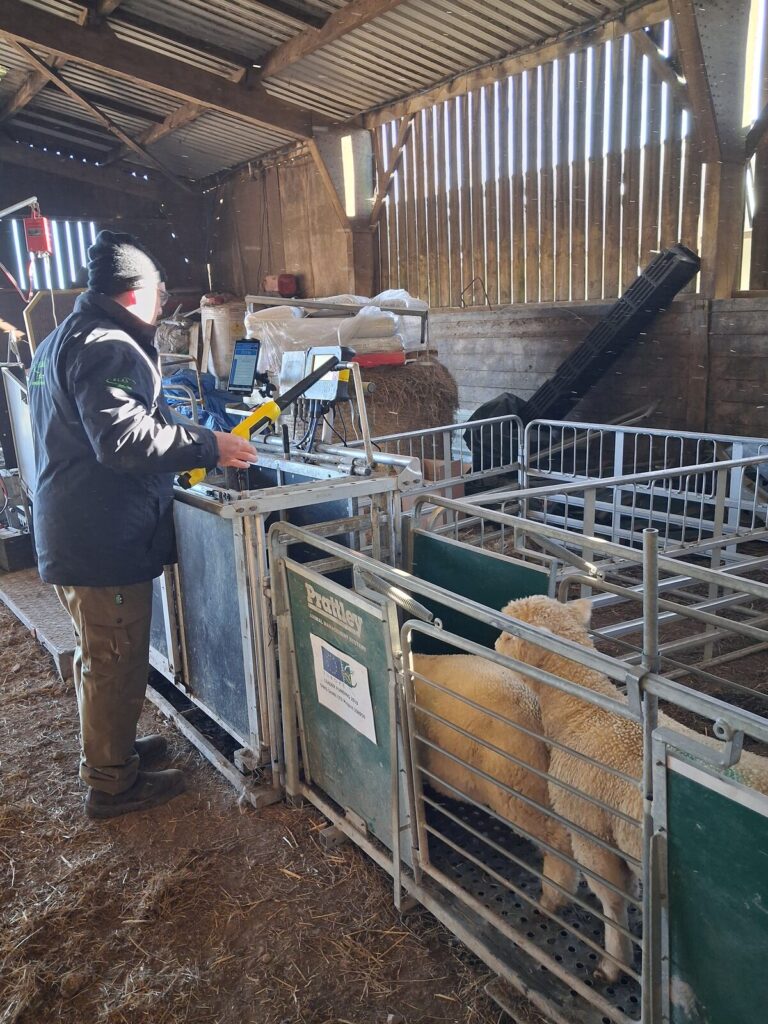
A new trial in South West England is testing whether technology could help farmers reduce wormer use, tackle anthelmintic resistance and maintain flock performance.
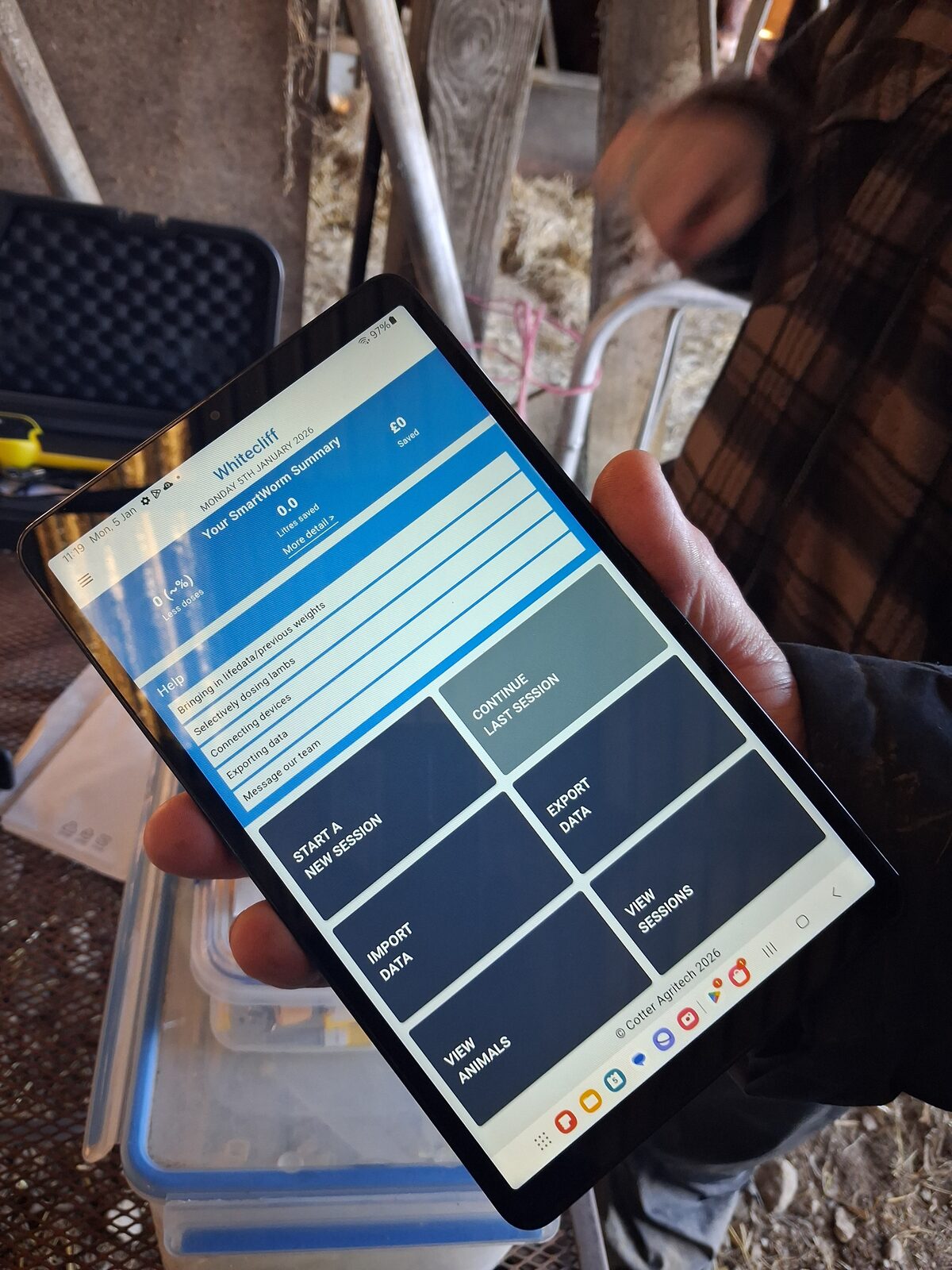
The two-season project is evaluating the SmartWorm app, a decision-support tool that combines EID data with live lamb performance and on-farm conditions to enable more precise treatment.
Rather than blanket-treating lambs, SmartWorm helps farmers identify which lambs actually need to be wormed while also maintaining animal health, welfare and productivity.
The ADOPT-funded trial is being delivered across four commercial sheep farms with different flock sizes and production systems, ranging from 200 to 2,500 ewes – allowing the technology to be tested within real farming conditions.
Emily Gascoigne, veterinarian at Synergy Farm Health and project lead, said, “Most progressive sheep farmers are already using worm egg counts to make better group-level treatment decisions. This project asks whether we can take that one step further by making informed decisions at individual animal level.
“The aim isn’t simply to reduce wormer use; it’s about maintaining lamb performance, protecting animal welfare and preserving the effectiveness of wormers for the future. If we can achieve all of those together, that’s a significant step forward for sustainable sheep farming.”
Making better use of EID technology
Electronic identification has been mandatory in sheep for many years, but much of the technology already installed on farms remains underused.
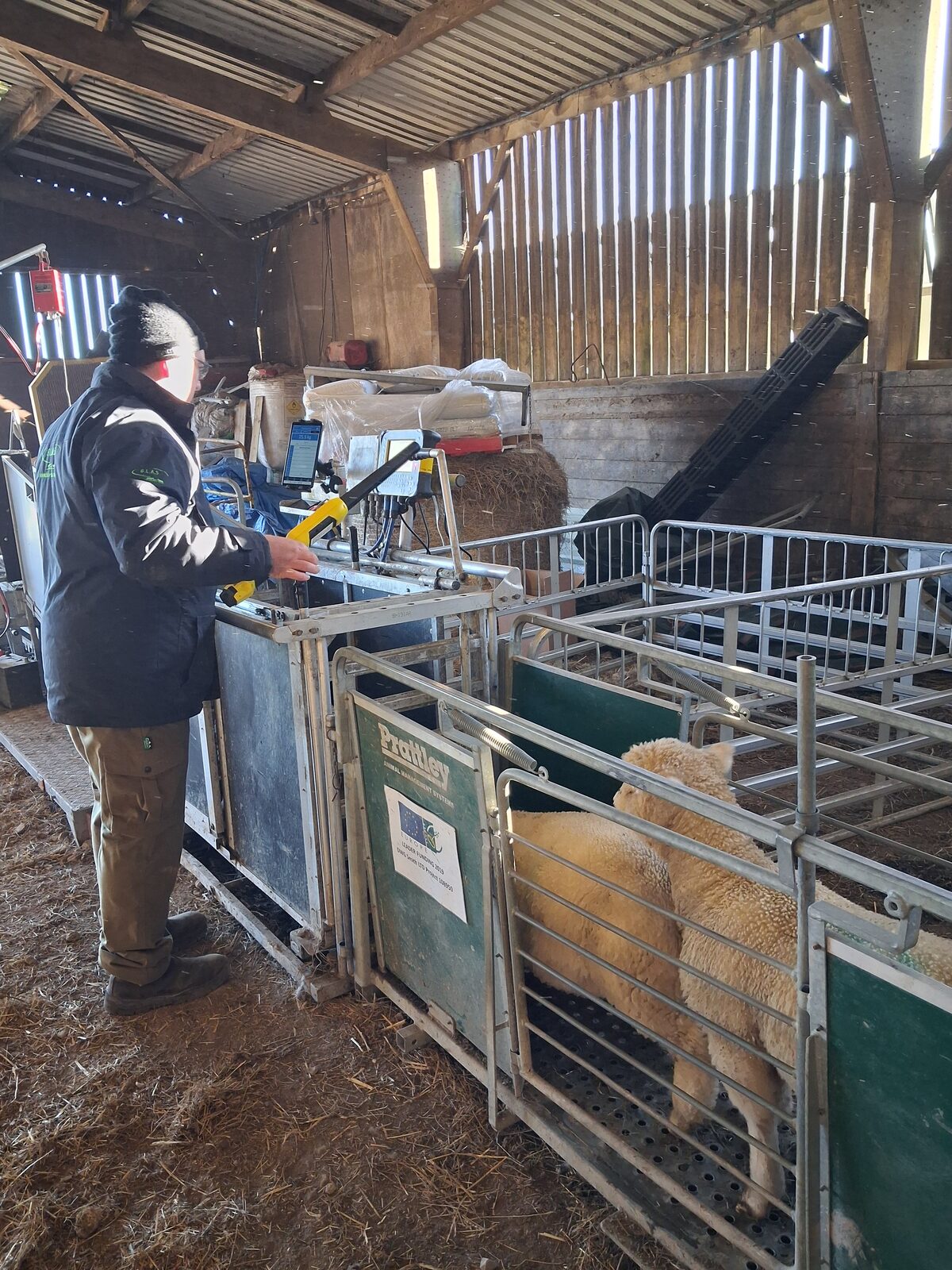
During the trial, enrolled lambs are weighed approximately every three to four weeks using EID-enabled weighing systems. The SmartWorm app combines growth-rate data, weather information, grazing quality and farmer observations (such as signs of scouring) to identify lambs for treatment. On farms equipped with auto-drafting systems, these lambs can also be automatically separated from the rest of the group.
The project also includes regular veterinary oversight, routine worm egg counting and laboratory support from the Moredun Research Institute, which will carry out parasite monitoring and resistance testing throughout the trial. Livestock software consultant Matt Blyth is supporting the farms to ensure EID equipment, software and weighing systems work seamlessly together.
“The technology itself is only part of the story,” Emily explained. “Many sheep farms already have incredibly capable EID systems in place. This project is also about understanding how we can better connect that technology so it becomes a practical decision-making tool for everyday flock management.”
Supporting sustainable sheep production
Emily believes sustainable parasite control starts with changing how farmers think about worms.
“Sheep farmers are worm farmers,” she stressed. “You need to look after the worm population on your farm. Worms compromise animal performance, but they become a much bigger problem if they develop resistance and you can no longer control them effectively.”
Parasitic worms remain one of the most significant health and productivity challenges facing the UK sheep industry, costing the sector millions of pounds annually while increasing pressure on the effectiveness of existing wormers as resistance continues to develop.
By identifying only those lambs that require treatment, the project hopes to reduce unnecessary wormer use without compromising growth rates or welfare. Better parasite control can also improve feed efficiency and overall flock performance, contributing to both economic and environmental sustainability.
Funded through ADOPT
The project is being funded through ADOPT (Accelerating Development of Practices and Technologies), which supports practical, on-farm trials that allow farmers, growers and foresters to test new ideas and technologies under real commercial conditions.
Projects valued from £50,000-£200,000 can receive up to 80 per cent funding to cover costs, including work with facilitators and specialist partners.
A distinctive feature of ADOPT is the dedicated facilitator role, helping farmers develop projects and reduce the burden of managing complex trials. Emily believes that support removes a major barrier to farmers undertaking projects like this on their own.
“The questions start with farmers, but turning a good idea into a successful trial takes time, coordination and the right expertise. ADOPT provides the mechanism to bring farmers together with vets, researchers and technical specialists so those ideas can be properly tested. It gives farmers access to expertise that would otherwise be difficult and expensive to bring together and helps turn good ideas into practical evidence for the wider industry.”
The trial is now underway and will run across two grazing seasons through 2027, with findings expected to provide valuable evidence on how precision parasite control could support more sustainable sheep systems.