
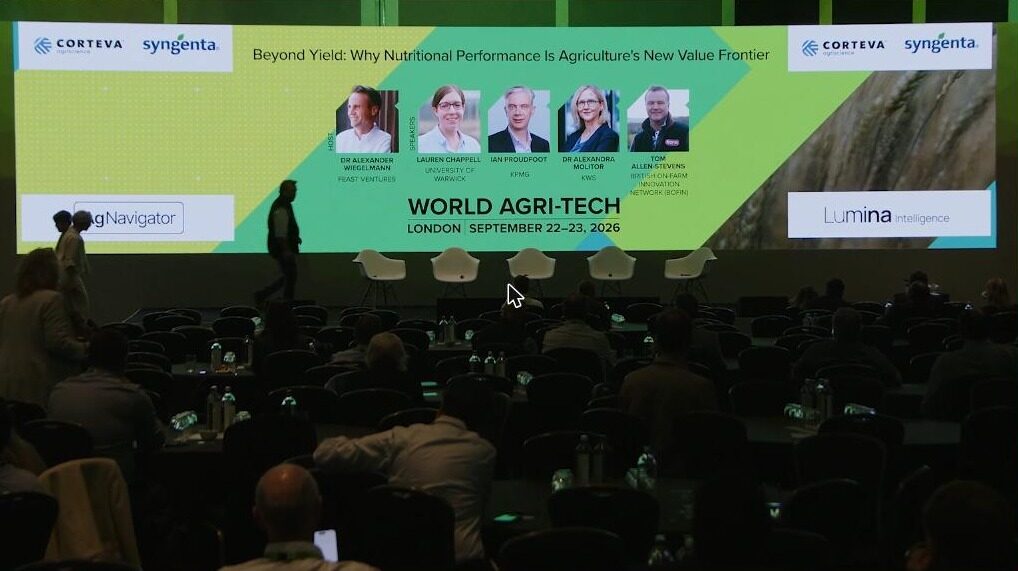
At World Agri-Tech in London, Direct Driller’s own Tom Allen-Stevens joined KWS, KPMG and the University of Warwick to ask whether nutrition and quality, not tonnes, are the next big value for farmers. The answer depends on who carries the risk.
For most of the last 70 years, the instruction to farmers has been simple: grow more. The host of this panel, Alexander Wiegelmann of Feast Ventures, opened by saying that model is running into its limits: economic, environmental and increasingly, human health. “Obesity has surpassed undernutrition,” he said. The question now is less about maximum output and more about what’s in the crop.
That will sound familiar to anyone who read my write-up of the BASE UK conference in Issue 36. There, Rothamsted’s Dr Stephan Haefele talked about “hidden hunger” and how milling strips out fibre and minerals, and farmer and GP Dr Tom Pearson put the cost of diet-related ill health in the UK at about £268 billion a year. At Groundswell, Tim Parton and Dr Lucy Williamson made the soil-to-gut connection. This panel came at the same question from the other end: breeding, processing and who gets paid.
Tom’s low-acrylamide wheat
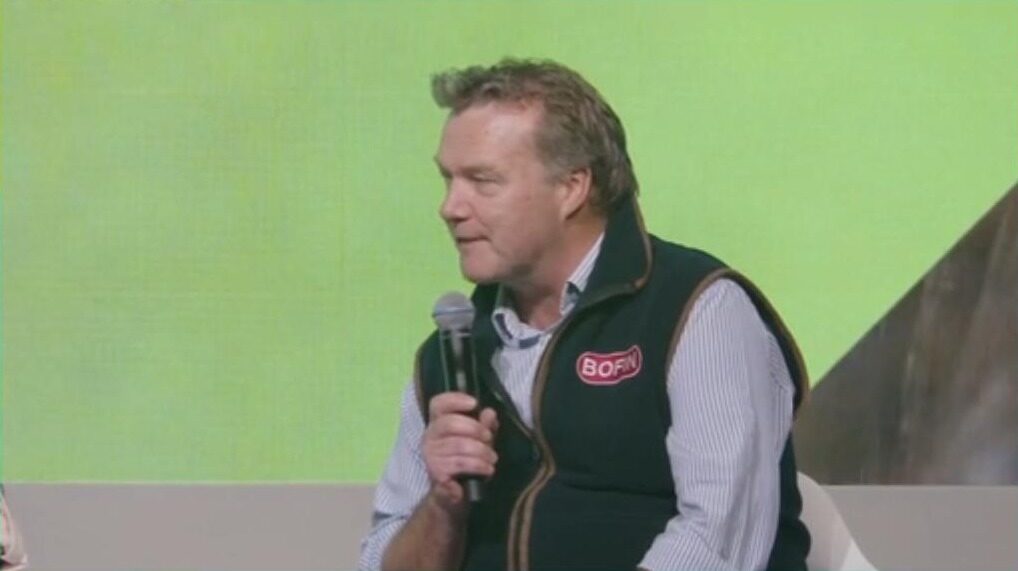
Most readers will know Tom Allen-Stevens from his writing in these pages. He also runs the British On-Farm Innovation Network (BOFIN), with about 100 farmers doing their own trials. One of BOFIN’s Defra-funded projects, PROBITY, is bringing the first gene-edited cereals onto commercial farms anywhere in Europe. A second, LLS-ERASED, is doing the same for oilseed rape.
The wheat comes from Prof Nigel Halford at Rothamsted Research, and has been edited to be low in asparagine, a natural amino acid in wheat that turns into acrylamide when you bake or toast it. “If you want to burn your toast, that’s up to you,” Tom said, “but obviously it’s a big problem for biscuit manufacturers and cereal manufacturers.” They currently get around it with extra processing and additives, which pushes products towards ultra-processed food. According to Rothamsted, the edited wheat cut free asparagine by 59 per cent over two years of field trials, with grain yield unaffected.
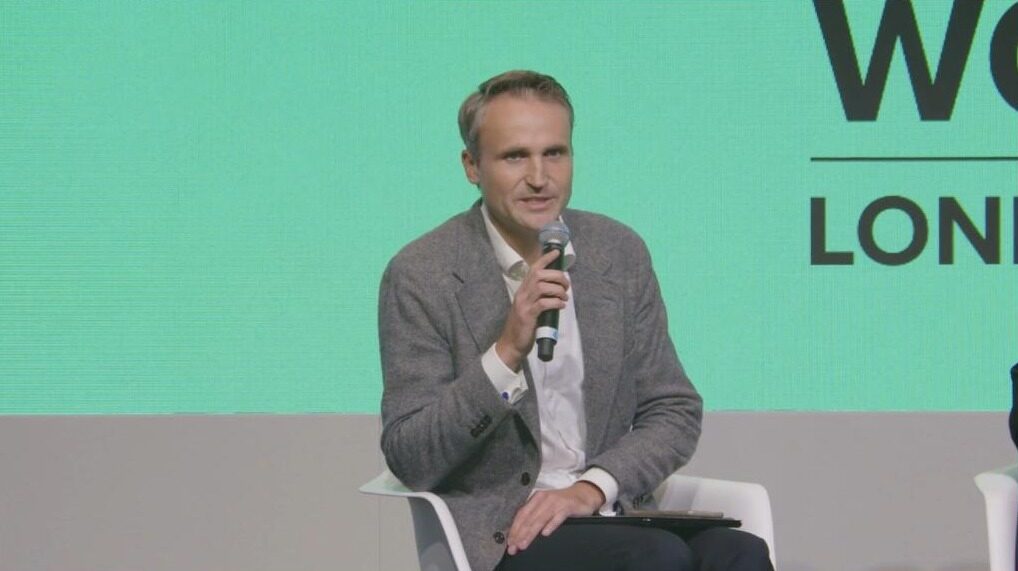
The seed has been multiplied up and goes in this autumn to produce about 80 tonnes for processing next year. An older, non-GM low-asparagine line has already been grown this harvest and goes to Nestlé and Cereal Partners for testing this autumn. “It’s going to make an awful lot of KitKats,” said Tom.
The interesting bit for growers is the money. BOFIN currently pays its farmers a premium to multiply the seed and supplies it to manufacturers at feed wheat price so they can try it without risk. Once they like it, Tom expects them to pay at least a biscuit wheat premium, “about £5 to £10 a tonne, it depends on the season.” Whether they’ll pay more, “I don’t know. But let’s see.”
He also made a point that every grower of quality wheat will appreciate. Milling and biscuit wheats usually come at a yield penalty; the edited line doesn’t. “There is no yield penalty, no other difference at all in this line,” he said. The edit has also been made in Bamford, a leading Group 3 wheat, and his target is a commercial variety with the trait on the market by 2030. “Why wouldn’t you grow the variety that’s got that edit in it if it’s no different from what’s best on the market anyway?”
Push or pull?
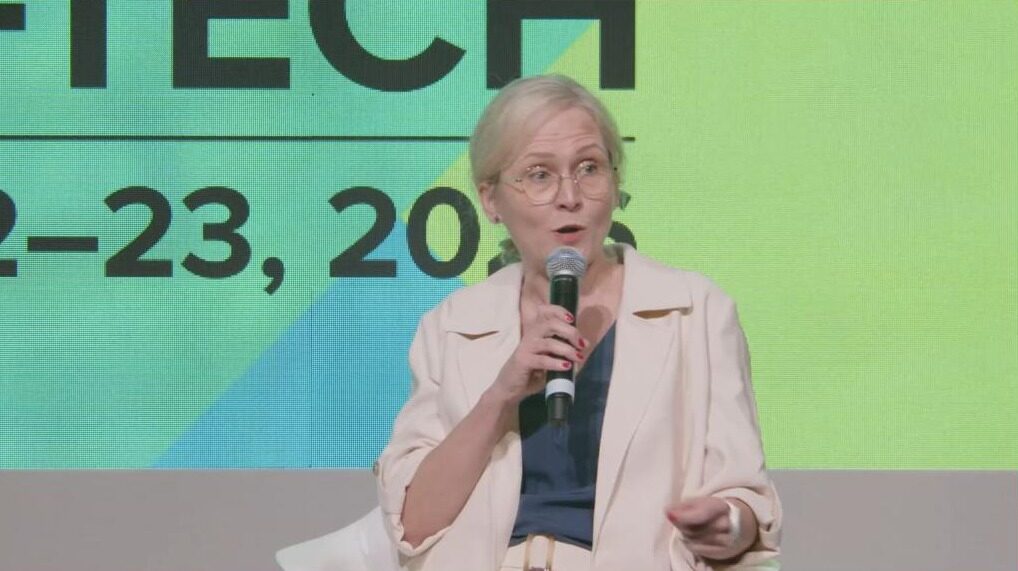
Alexandra Molitor, commercial director for food ingredients at KWS, took a different line. KWS is one of Europe’s leading pea breeders, and for the last three or four years it has been selecting peas for taste and functionality as well as yield and protein, which she called “a minimum hygiene factor”.
Rather than breed something and hope someone pays for it, KWS went to the far end of the chain first. Berlin pea milk brand Vly told them their pea protein needed masking agents and had problems with solubility. KWS found pea lines that fixed it from the seed, and the products launched in organic form at BIOFACH in February.
“May I disagree?” she asked Tom. KWS wants the pull from the market first, “so that the values are clear, the volumes are clear, and then also the farmer and the breeder gets a return.” She calls food companies partners, not customers. “Let’s see who wins.”
She was also honest about what she’d learned. A great trait is useless if the crop doesn’t arrive clean. If the grower doesn’t know the peas need to be gluten-free to below 20 ppm, “he’s not going to clean up everything”, and the buyer won’t take it. Residue levels that are fine for feed may not be fine in a protein shake. That’s identity preservation, and it means farmers being told up front what the end user needs.
Can you prove it’s better for you?
Lauren Chappell, a research fellow at the University of Warwick working on vegetable genetics, was the voice of caution. More of a nutrient in the crop doesn’t automatically mean more benefit to the person eating it. She listed what needs proving: that the trait holds up in different seasons, that the nutrient is bioavailable, that it survives cooking (vitamin C and folate don’t like heat), and that it doesn’t come at the cost of flavour or pest resistance, since bitter compounds that put people off often put pests off too.
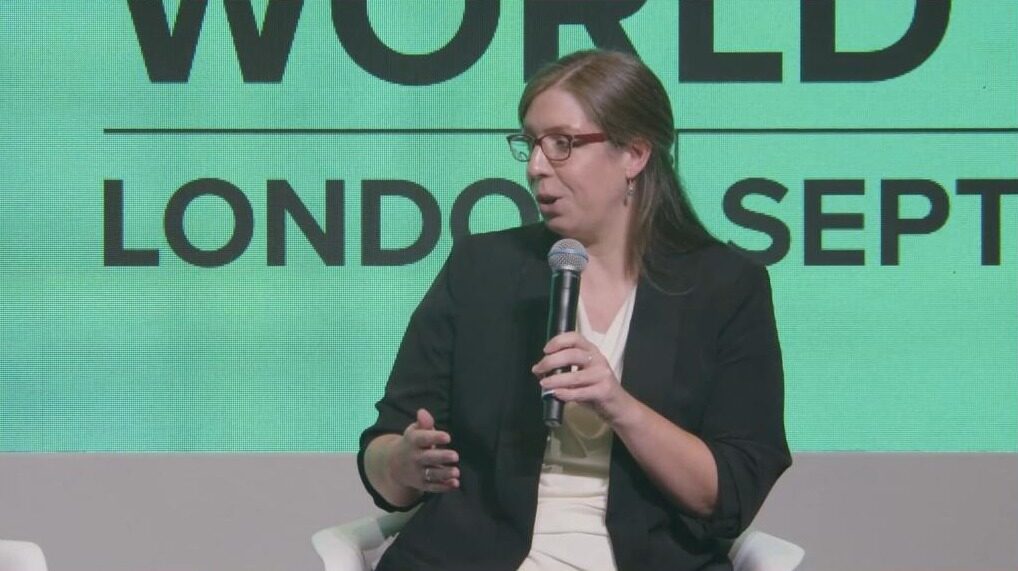
Her most interesting idea was to bring the NHS into the conversation. “The NHS will, in many ways, see the benefit in the UK in 20 years’ time.” That’s very close to what Dr Tom Pearson was arguing at BASE UK: that farmers could one day be commissioned by the health service to supply nutrient-dense food. She also gave a sensible warning: “We perhaps don’t want to get to the point where we’re popping a tomato as a pseudo multivitamin.”
The GLP-1 effect
Ian Proudfoot, global head of agribusiness at KPMG, came at it after his own open-heart surgery in 2017, which led to KPMG’s “Volume to Wellness” report in 2019. He put the global cost of bad nutrition at $3.5 trillion a year.
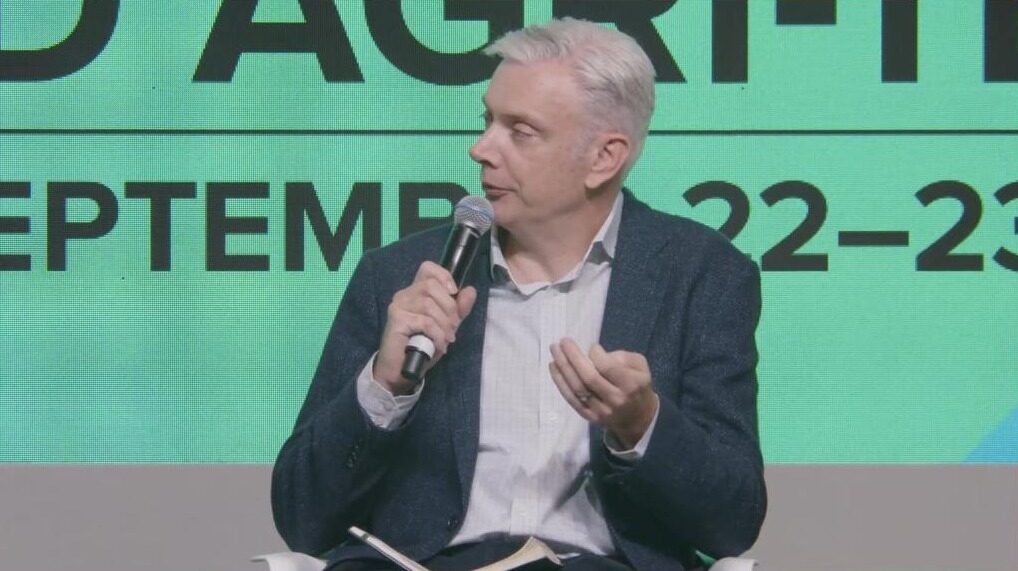
His big point was weight-loss drugs. He reckons GLP-1s are “probably the most disruptive, most significant change coming to our food systems that we’ve ever seen.” Even if only 5 to 10 per cent of people take them, families eat together, so 30 to 40 per cent of diets could be affected. “The traditional goal for more yield isn’t going to be the traditional goal in the future.”
He was realistic about who pays. Only 300 to 400 million people worldwide can afford to pay for extra qualities in their food. About six billion just want it cheap and safe.
Who carries the risk?
The last word, rightly, went to the farmer’s side. Asked whether growers would produce on spec or on contract, Tom was clear. “Farmers already face an awful lot of risk. So, if this market’s going to fly, the food industry is going to have to pick up that risk.” Nobody on the panel disagreed.
That’s the test for all of this. Whether the value comes from better soils, as BASE members argue, or better genetics, as this panel showed, the farmer has to be paid for it. A £5-a-tonne biscuit premium won’t change many rotations. A food company sharing the risk and the reward properly just might.
So, would you grow a gene-edited wheat for a named buyer, and what premium would it take?