Research

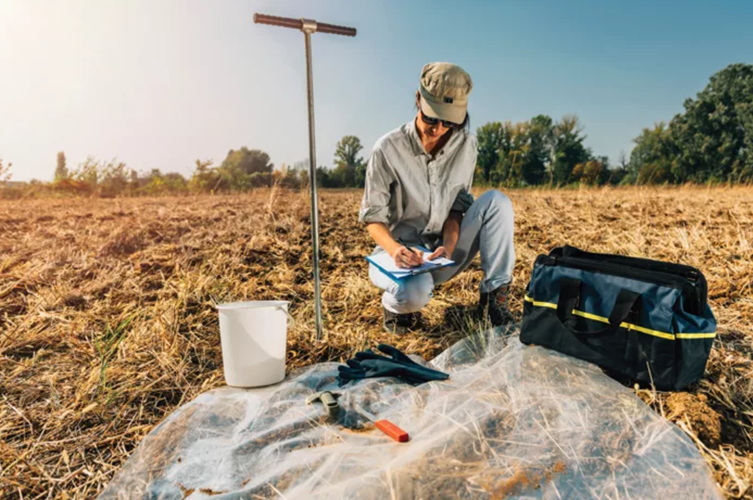
How Soil Testing is Evolving into ‘Predictive Agronomy’

By Dan Crummett from No-Till farmer USA Takeaways Big changes are under way in the soil testing industry as digital technology demonstrates the importance of viewing farm fields as a living system — requiring more than a yearly grocery list of plant nutrients. No-tillers and strip-tillers take soil biology seriously and many of them are looking beyond …

How Soil Testing is Evolving into ‘Predictive Agronomy’ Read More »
Unlocking the Genes Behind Wheat Growth and Grain Size

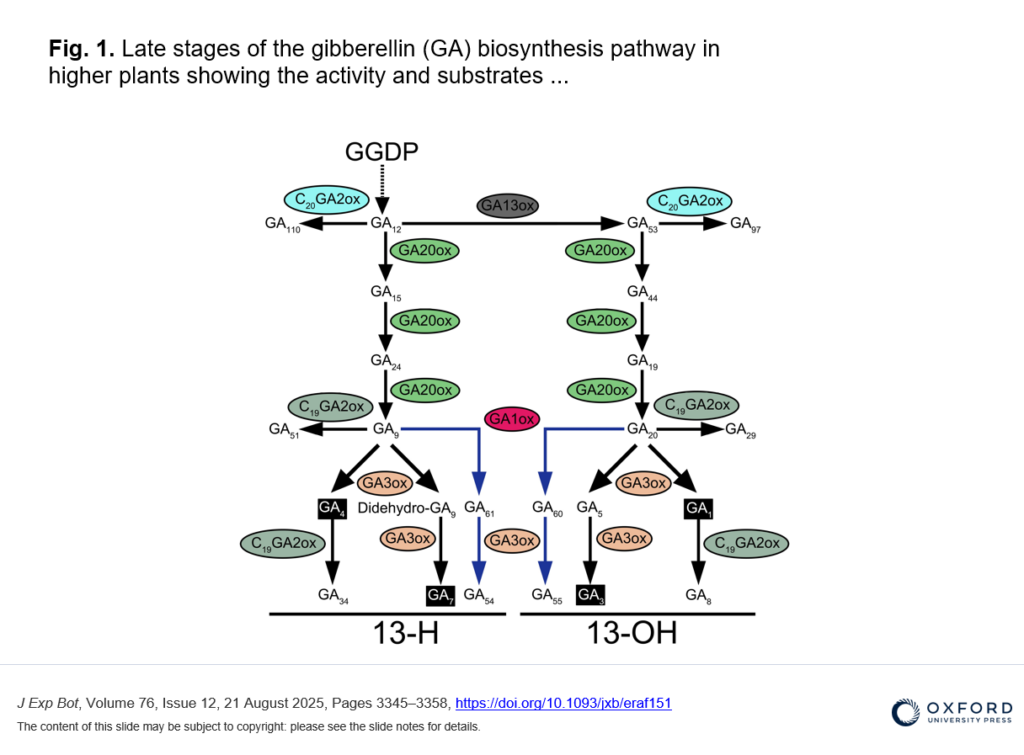
Adapted for Direct Driller readers based on a paper by Dr Stephen Pearce from Rothamsted Research and the Czech Institute of Experimental Botany If there’s one crop that keeps British farming grounded, it’s wheat. From milling and feed markets to exports, it sits at the centre of most arable rotations. Yet after decades of breeding …

Unlocking the Genes Behind Wheat Growth and Grain Size Read More »

Growing flavour

Jamie Stokes – 2024 Nuffield Farming Scholar Getting an invite to write about what I have learnt from the last 18 months travelling for my Nuffield Scholarship is always welcome. I am a farmer from Cambridgeshire, running my family’s 1000ha ‘high-input, high-output’ arable farm, where we grow both target site and enhanced metabolism resistant blackgrass. …

Growing flavour Read More »

Seaweed in agriculture

Written by Dr David Cutress: IBERS, Aberystwyth University. • Seaweeds have long had suggested benefits for agricultural use• Research suggests green seaweeds to be beneficial for soil/plant amendments and redseaweeds to have some potential for animal feeds• To be able to include at meaningful levels, the production and supply chain ofseaweeds needs to be researched …

Seaweed in agriculture Read More »

Regulation of bio-stimulants, bio-fertilisers and bio-pesticides

Written by Susan Wilson from Aphaeas Agriculture Bio-stimulants, soil conditioners, bio-fertilisers and bio-pesticides have been key features of the move away from high level usage of conventional chemicals and fertilisers and are now mainstream – yet the market is still largely unregulated.   This is an attempt to clarify the situation we find ourselves in.  The …

Regulation of bio-stimulants, bio-fertilisers and bio-pesticides Read More »

Agroecological Farming Boosts Soil and Biodiversity – But Economic Barriers Remain

Written by Rothamsted Research Study of 17 English farms finds nature-friendly practices can support yields, but only modest schemes are financially viable without subsidies A major four-year study across English farms has found that nature-friendly agroecological practices can enhance biodiversity and boost some crop yields, but high costs and land-use trade-offs mean most approaches remain …

Agroecological Farming Boosts Soil and Biodiversity – But Economic Barriers Remain Read More »

Apply Now: New ADOPT Fund Backs Farmer-Led Regenerative Innovation

Written by Chris Fellows Farmers are at the frontline of meeting environmental challenges while keeping their businesses resilient and productive. Innovation—especially farmer-led innovation—is key to moving regenerative practices forward. The ADOPT Fund is now open and aims to do exactly that. With up to £20.6 million available in 2025/26, the Accelerating Development of Practices and …

Apply Now: New ADOPT Fund Backs Farmer-Led Regenerative Innovation Read More »

Farming for Nutrition: How Soil Health Shapes the Food We Eat

Written by Dr. Hannah Fraser As a farmer and a medical doctor, I get to witness the intersection of agriculture, human health, and nutrition. My husband and I are organic farmers in Yorkshire, where we grow heritage and diverse population wheats, and have a keen focus on improving soil health and biodiversity. Our journey into …

Farming for Nutrition: How Soil Health Shapes the Food We Eat Read More »