Research

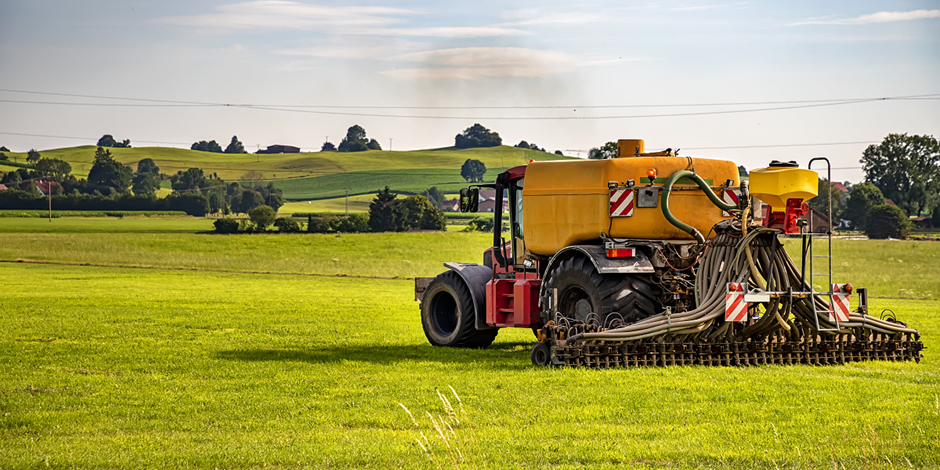
Making the most of organic materials to reduce fertiliser bills

Written by Lizzie Sagoo from ADAS Earlier this month, ADAS, Rothamsted and Bangor University welcomed over 250 delegates from 25 countries to the 18th International RAMIRAN conference in Cambridge. The theme of this year’s RAMIRAN was maximising the utilisation of organic fertilisers against a background of changing regulation and increasing pressure on the environment and food production. Following

Making the most of organic materials to reduce fertiliser bills Read More »

Unearthing Insights: Navigating Compaction Challenges in the Transition to Conservation Agriculture

Written by Joe Stanley from the Allerton Project It’s well established, including by our own research (in part discussed in June’s article on our pioneering Conservation Agriculture trial), that a move to reduced tillage or direct drilling (DD) can generally be considered beneficial for the triumvirate of farm economics, soil health and environmental sustainability. With

Unearthing Insights: Navigating Compaction Challenges in the Transition to Conservation Agriculture Read More »

Foliar Nitrogen

As more growers use foliar nitrogen applications, Direct Driller picks out some practical tips about how to formulate mixtures for maximum efficacy from Joel Williams’ masterclass. Written by MIke Abram Foliar feeding potentially offers a more efficient and quicker route to get nitrogen into a crop, particularly later in the season, but it does come

Foliar Nitrogen Read More »

AHDB: Mycotoxin risk tool for wheat refreshed for 2023

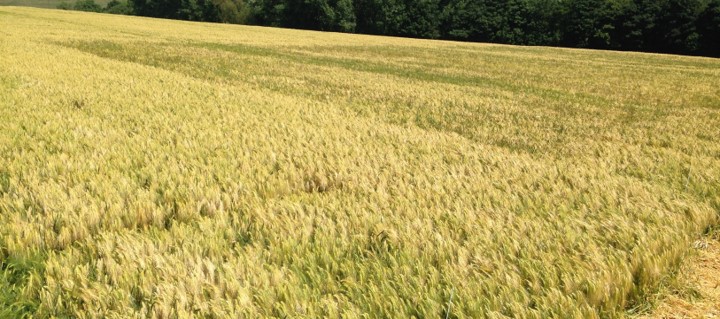
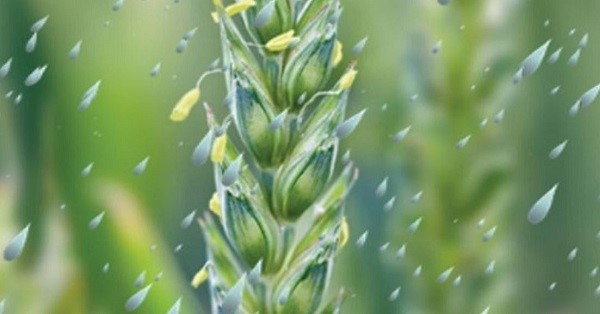
Farmers can calculate rainfall-related mycotoxin risk assessment scores online via a weather-based mapping tool. About the tool The tool reveals rainfall levels at hundreds of sites across England and Scotland during the critical winter wheat flowering and pre-harvest periods. First released in 2019, the tool has been refreshed for the current season. Dhan Bhandari, who

AHDB: Mycotoxin risk tool for wheat refreshed for 2023 Read More »

Mega Bacteria

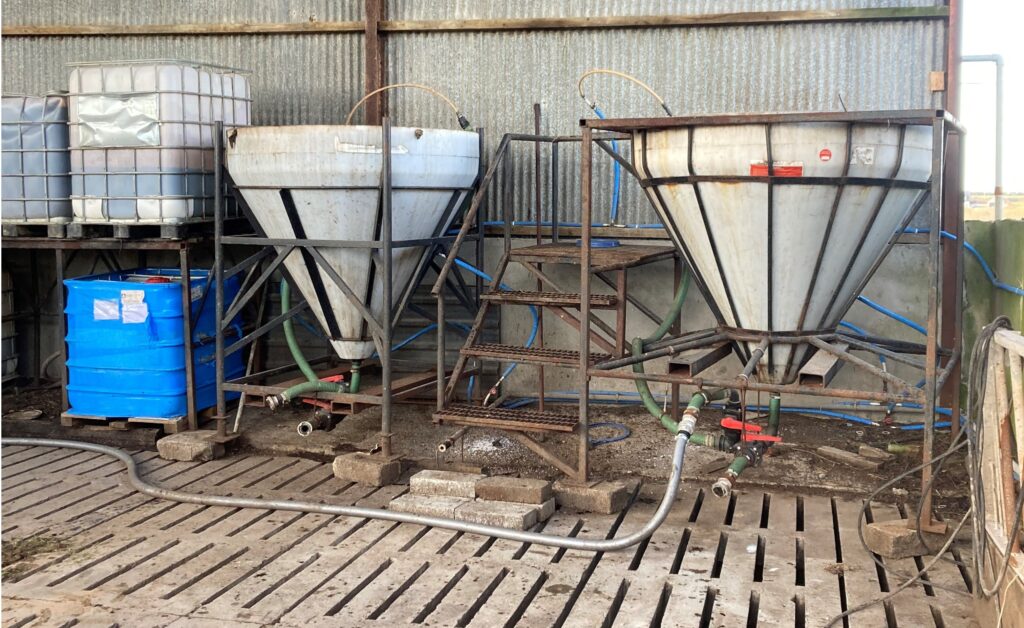
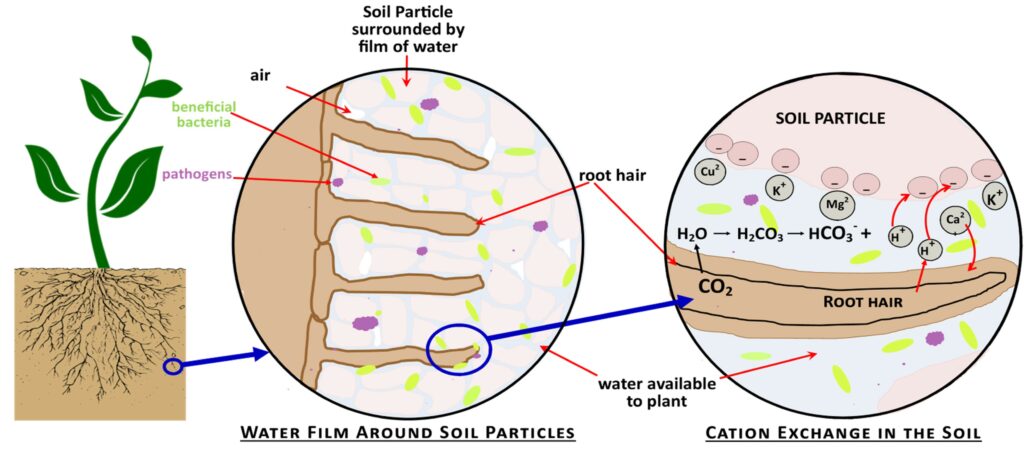
Written by Steve Holloway from Soil First Farming Soil microbes are tiny, often invisible to the naked eye. Organisms that play a crucial role in maintaining soil health and enhancing crop productivity. These microscopic creatures are responsible for numerous functions, including nutrient cycling, decomposition, and the suppression of plant diseases. They also contribute to soil

Mega Bacteria Read More »