Tech Farmer

You’re Collecting More Soil Data Than Ever. Can You Actually Use It?

How UK farmers are drowning in test results from different tools and labs, and what happens when you finally bring it all together. There’s a quiet irony at the heart of modern soil management. Farmers have never had access to more data about their land. Soil chemistry tests, leaf tissue analysis, plant sap readings, nitrate …

You’re Collecting More Soil Data Than Ever. Can You Actually Use It? Read More »

The Precision Revolution: How New Spraying Tech is Rewriting the Crop Protection Rulebook

Written by Chris Fellows The agricultural sector stands on the precipice of a fundamental shift in how crop protection products are applied, formulated and regulated. Driven by rapid advancements in precision application technology, from AI-guided optical spot sprayers to autonomous drones, the traditional model of broad-acre, high-volume spraying is being systematically dismantled. This technological evolution …

The Precision Revolution: How New Spraying Tech is Rewriting the Crop Protection Rulebook Read More »

Spray precision underpins efficient direct drilling systems

In direct drilling systems, every pass carries weight. With fewer opportunities to intervene through cultivation, crop protection strategies need to be both precise and adaptable. As a result, spray application is under increasing scrutiny – not just in terms of efficacy but also cost control and environmental responsibility. Maximising the performance of each litre applied …

Spray precision underpins efficient direct drilling systems Read More »

Reducing nitrogen fertiliser use

By Rosalind Platt, managing director of BFS Fertiliser Services, UK leaders in crop nutrition since 1948. Late-season foliar nitrogen applications can significantly lower the total nitrogen required in crop production while maintaining – or even increasing – yields. Recent research has shown particularly strong results in oats. Ongoing volatility in the fertiliser market continues to …

Reducing nitrogen fertiliser use Read More »

Where Innovation Gets Real: The Evolution of Cereals 2026

When you walk into Cereals in 2026 (if you can get in past all the influencers who are going to descend on Diddly Squat), it will be immediately clear this is no longer just a machinery show. Gone is the really big kit, with combines and tractors lined up in neat rows. But look closer …

Where Innovation Gets Real: The Evolution of Cereals 2026 Read More »

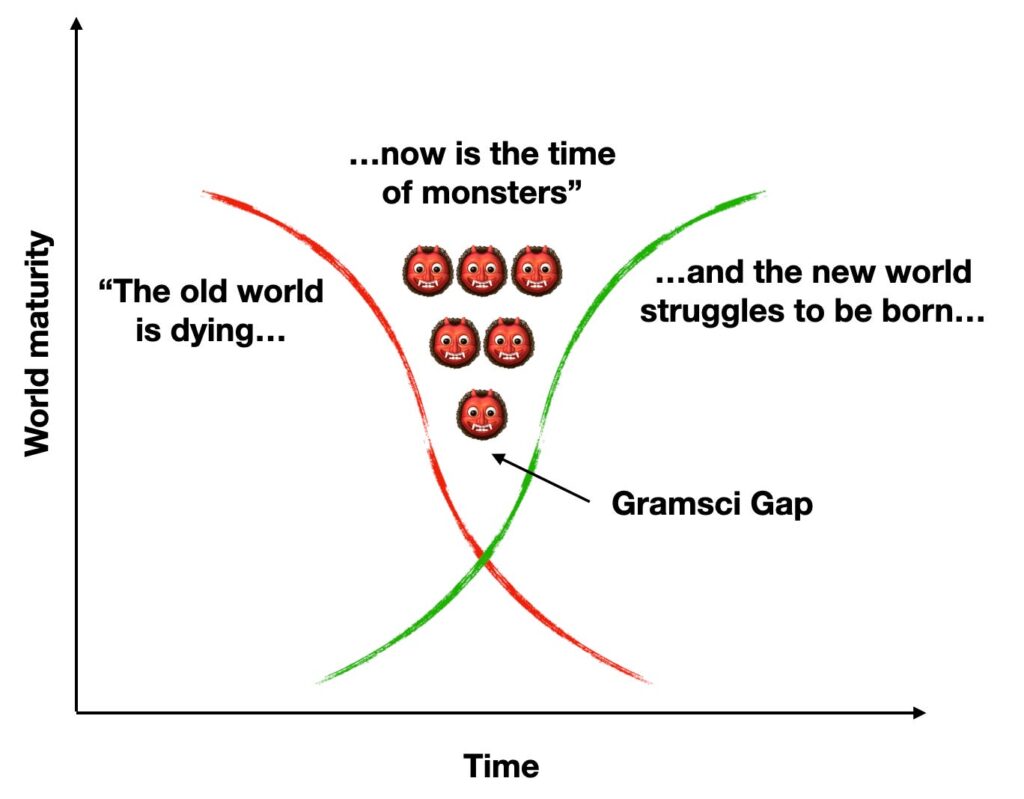
Mind the Gap: Why UK Agritech is Stuck in the “Time of Monsters”

Written by Chris Fellows The promise of a high-tech farming future is here, but for many UK farmers it remains tantalisingly out of reach. We are caught in a dangerous limbo: a “Gramsci Gap” where the old ways of farming are dying, but the new, tech-driven world is struggling to be born. As a farming …

Mind the Gap: Why UK Agritech is Stuck in the “Time of Monsters” Read More »

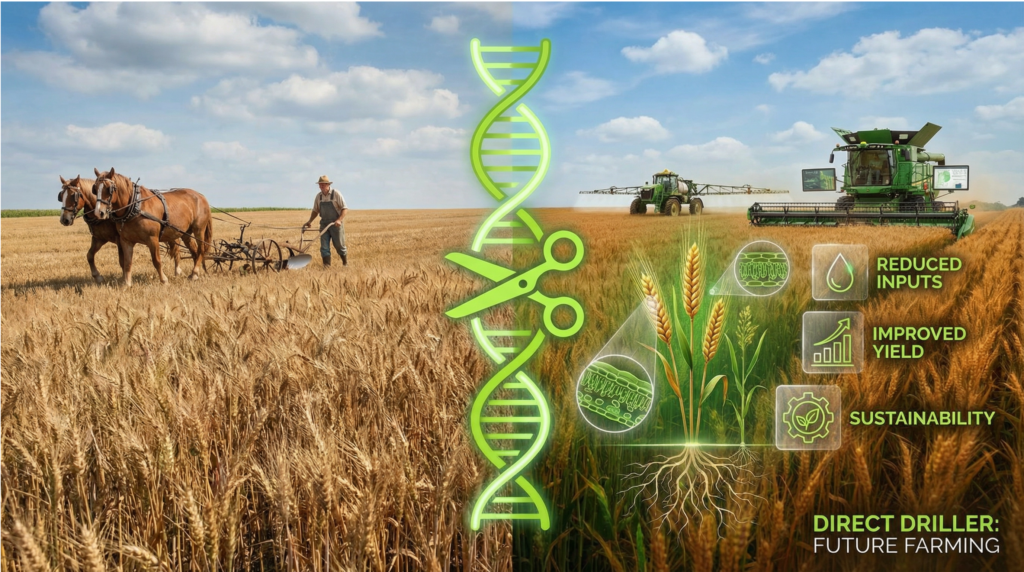
Precision breeding regulations come into force

The first three gene-edited cereals are being submitted for approval to be drilled in commercial farm trials in England during 2026. Tom Allen-Stevens explains the new regulatory regime. New regulations governing the development, release and marketing of precision-bred crops in England came into force in November, marking a major step in the implementation of the …

Precision breeding regulations come into force Read More »

Game-changing technologies for farmers: new tools for weed control

I was recently introduced to the RumboJet technology for tackling docks and other weeds such as ragwort, thistles, dandelions and buttercups in grassland.  Buttercups are generally a feature of acidic land and I would recommend a basic soil test and liming if this is the case, however, this high-tech sprayer is ideal for those weeds …

Game-changing technologies for farmers: new tools for weed control Read More »

Reducing fertiliser without taking all the risk

Exchange Market pays arable farmers to help de-risk practical changes that reduce emissions, for example reducing fertiliser. With 12-month contracts, flexibility over actions and no requirement to sell carbon, it’s designed to fit real-world arable systems. For many arable farmers, the desire to reduce fertiliser is already there. Inputs remain a major cost, margins are …

Reducing fertiliser without taking all the risk Read More »