
There are years when farming feels like a carefully choreographed partnership between man, soil and weather. And then there are years when the weather appears to have obtained your address. This was one of those.
Harvest was not a disaster, exactly. Nothing caught fire. The combine remained broadly in one piece. Nobody was crushed beneath anything expensive. But our cereals were anything up to a third below their long-term averages, which is the sort of result that encourages you to spend rather longer than usual staring at the yield map in the hope that it might reconsider.
The obvious culprit was drought. We had remarkably little rain through the spring and early summer, and crops that had looked full of promise gradually acquired the pinched expression of someone discovering the hotel bar closed 10 minutes ago.
But drought wasn’t acting alone. BYDV had a hand in proceedings too and provided us with one of those accidental farm trials that are generally rather more expensive than the deliberate ones. Our Group 1 milling wheat mixture contained no BYDV-tolerant varieties – we don’t have any here in the UK. Alongside it, we grew mixtures of Group 2 and Group 4 wheats containing varieties with greater tolerance. The difference was about 1.5 tonnes per hectare; that rather concentrates the mind.
There are all sorts of caveats to an on-farm comparison like this. Different fields, different soils, different histories; farming provides enough variables to keep a statistician indoors for life. But when you are already harvesting disappointing wheat, and one set is another tonne and a half behind, you don’t need a lab coat to become interested.
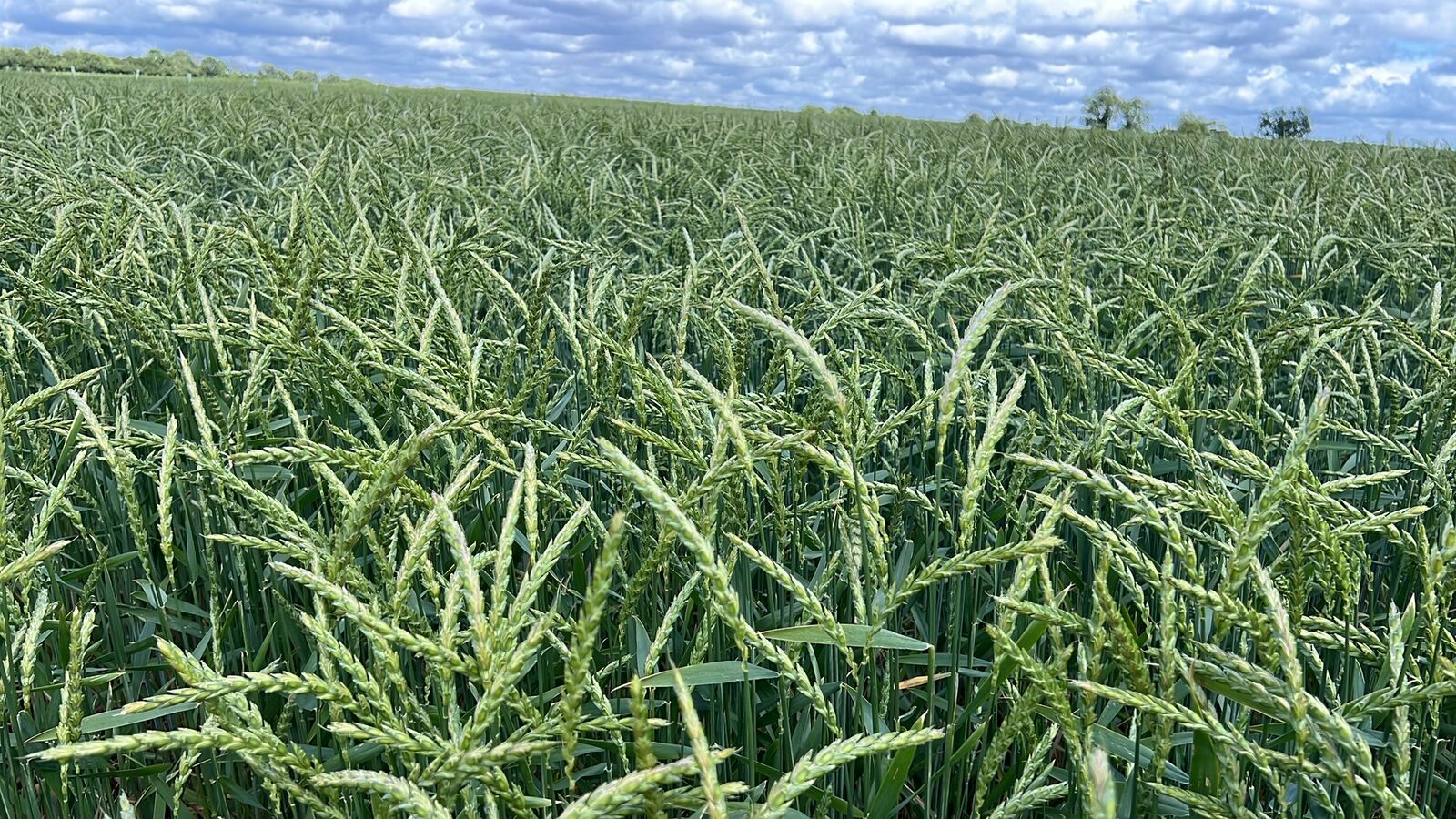
Which brings me to France. Across the Channel, RGT Sundeo is already registered as a bread-making wheat carrying Bdv2 partial resistance to BYDV. Here, after watching our Group 1s lose another 1.5 tonnes a hectare to the virus, such genetics remain frustratingly out of reach.
Perhaps this wouldn’t matter if climate, disease pressure and growing conditions remained obligingly where we had filed them. But they aren’t. If our climate is attempting to become continental, then perhaps our variety lists may eventually have to do the same.
For years, the textbook description of continental weather has been cold, relatively dry winters followed by warmer, wetter springs. Our wetter winters and frequently parched springs aren’t mimicking that, however; we’ll have to look elsewhere for a comparator.
Increasingly, the bit that interests me is not whether Britain is becoming “warmer” in some averaged-out, graph-on-the-news sense, but whether the reliability of the seasons is changing. On our heavy Cambridgeshire clay, the averages don’t farm the land; rainfall timing does. Thirty millimetres of rain in June is not interchangeable with thirty millimetres in March. However neatly the annual total eventually balances, a crop cannot carry water backwards through time.
Our sunflowers demonstrated this rather beautifully. We grew a strip this year, partly to produce farm-saved seed. Sunflowers are, of course, supposed to look magnificent: great agricultural solar panels, turning their faces towards the heavens with all the confidence of a crop that has seen the brochure. Ours emerged and then did almost nothing. For months. I kept looking at them. They kept looking, insofar as a sunflower can, back. And they did not die.
There was something rather admirable about this. Wheat was suffering, spring crops were nearly dead, and everything seemed to be waiting for rain, but the sunflowers simply sat there, neither flourishing nor surrendering. Then we got a drop of rain, and it was as if somebody pressed the switch. They took off.
Unfortunately, plants have no access to calendars. So instead of producing a conveniently ripe crop at the moment we had pencilled in for harvest, they carried on growing into late summer and early autumn with considerable enthusiasm. Harvest therefore came late, with enough green material remaining to pull moisture upwards and enough seed available to provide a September tasting menu for every pigeon and crow in Huntingdonshire. We may yet discover that sunflowers are a useful crop for a changing climate, and I follow former Farm Manager of the Year Edward Vipond with interest. We have certainly discovered that pigeons think so.
Meanwhile, we are experimenting with another form of crop protection: height.
Blackgrass continues to make herbicide programmes feel like an expensive way of washing leaves. So we’re looking harder at crops that might physically compete with it, including rye and spelt. There is something pleasingly primitive about this. For decades we have become progressively more sophisticated in the ways we attempt to kill weeds: chemistry, timing, rates, sequences, stacks. And now one of the questions we’re asking is: what if we simply grow something taller than them?
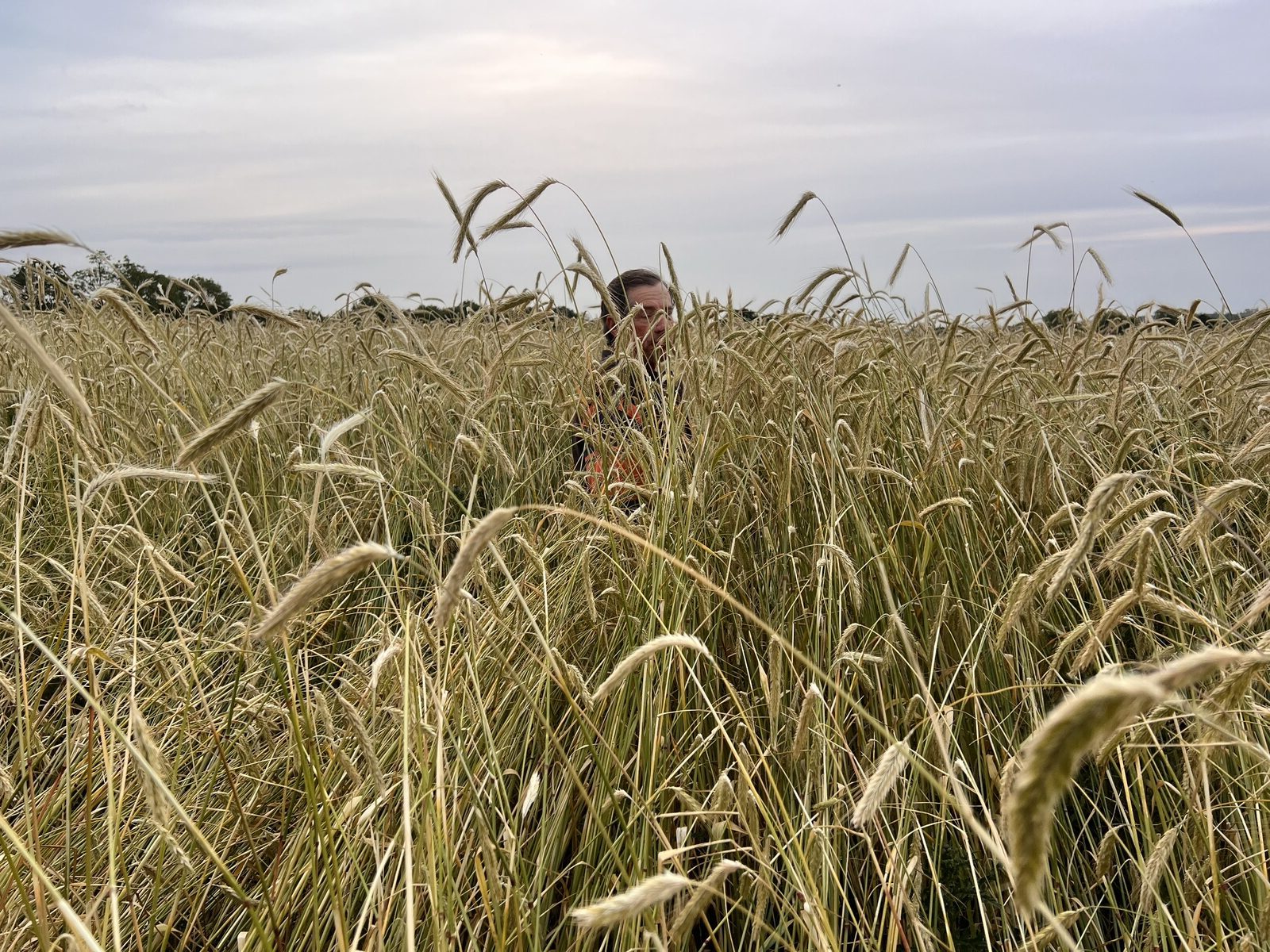
Rye, in particular, has an almost indecent enthusiasm for getting upwards. Watching it compete with blackgrass feels less like crop protection and more like hiring a nightclub bouncer.
Of course, the real blackgrass battle begins before the seed drill moves. Which brings us to October. On our clay soils, autumn drilling has become a game of agricultural blackjack. Drill too early, and you risk missing the main blackgrass flush. The wheat emerges beautifully, you admire your handiwork for perhaps a fortnight, and then the blackgrass appears between the rows in sufficient numbers to make clear that you have just spent a considerable amount of money establishing its winter accommodation. So you wait. You encourage another chit. You spray it off. You wait a little longer. And all the while you are watching the weather forecast. Because there comes a point when agronomic patience starts to look remarkably similar to recklessness.
This autumn, the additional spectre has been talk of a powerful El Niño-type weather pattern and the possibility of very wet weather arriving in the middle of October. By the time you read this, you will know whether that prediction was meteorology or theatre.
As I write, I don’t. And that is the problem.
If the rain arrives before we drill, our clay can go from “probably wants another couple of days” to “see you in March” with impressive speed. On the flat, even with years of no-till giving us more carrying capacity through marginal times, you may eventually just about bully your way through. On the slopes, you simply can’t. Heavy machinery, saturated clay and gravity are three parties I prefer not to introduce.
So, we wait for blackgrass, while simultaneously hoping the rain waits for us. This is farming’s particular form of insanity: wanting it to rain desperately in June and regarding the same substance as a personal attack in late October.
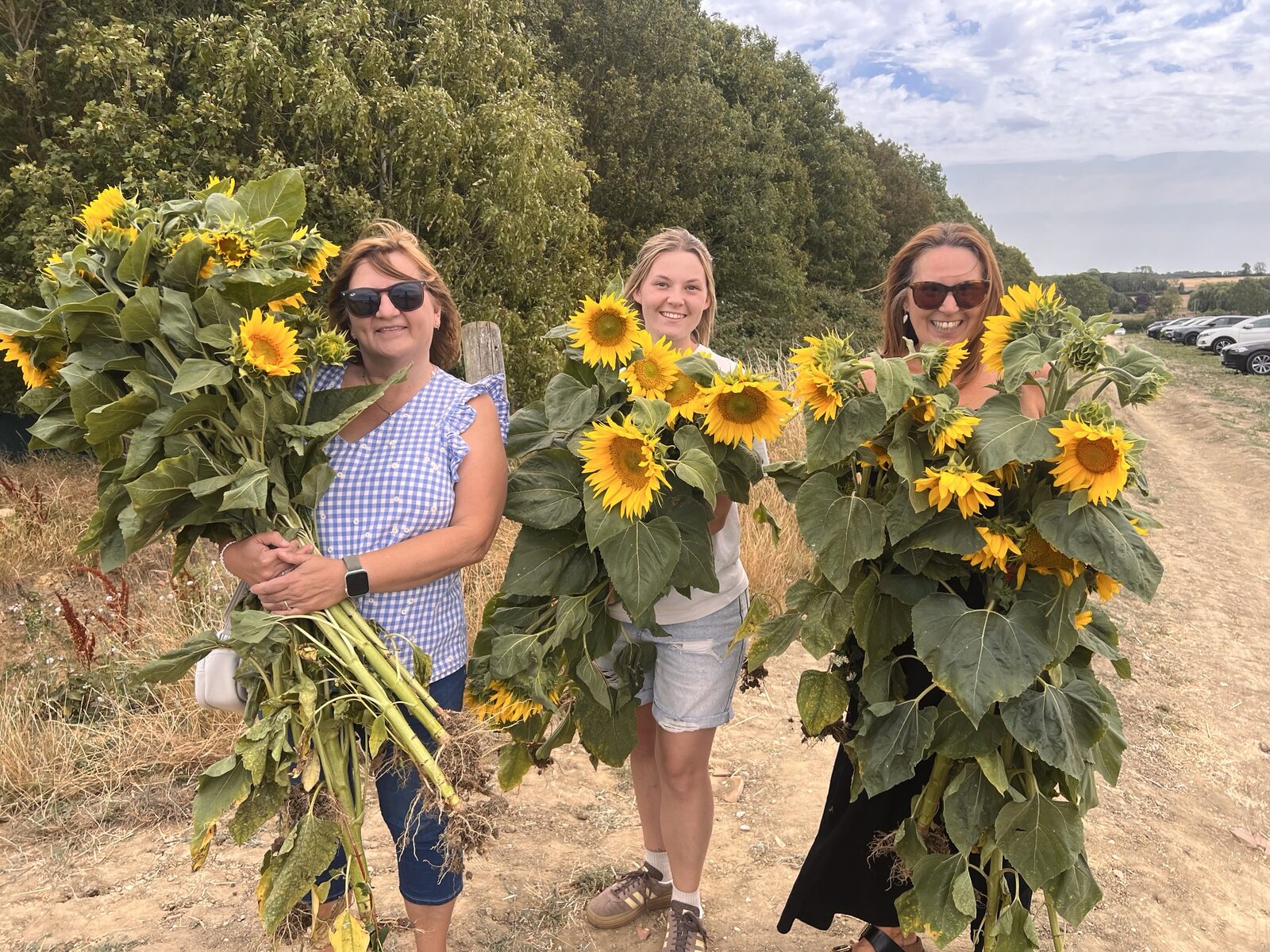
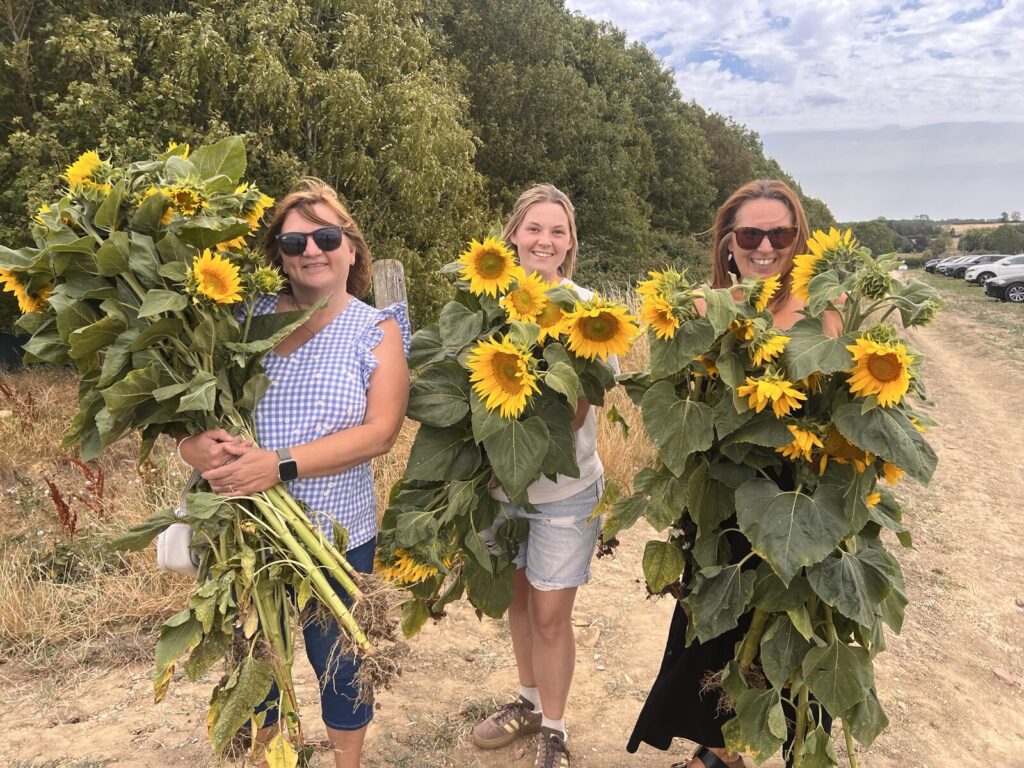
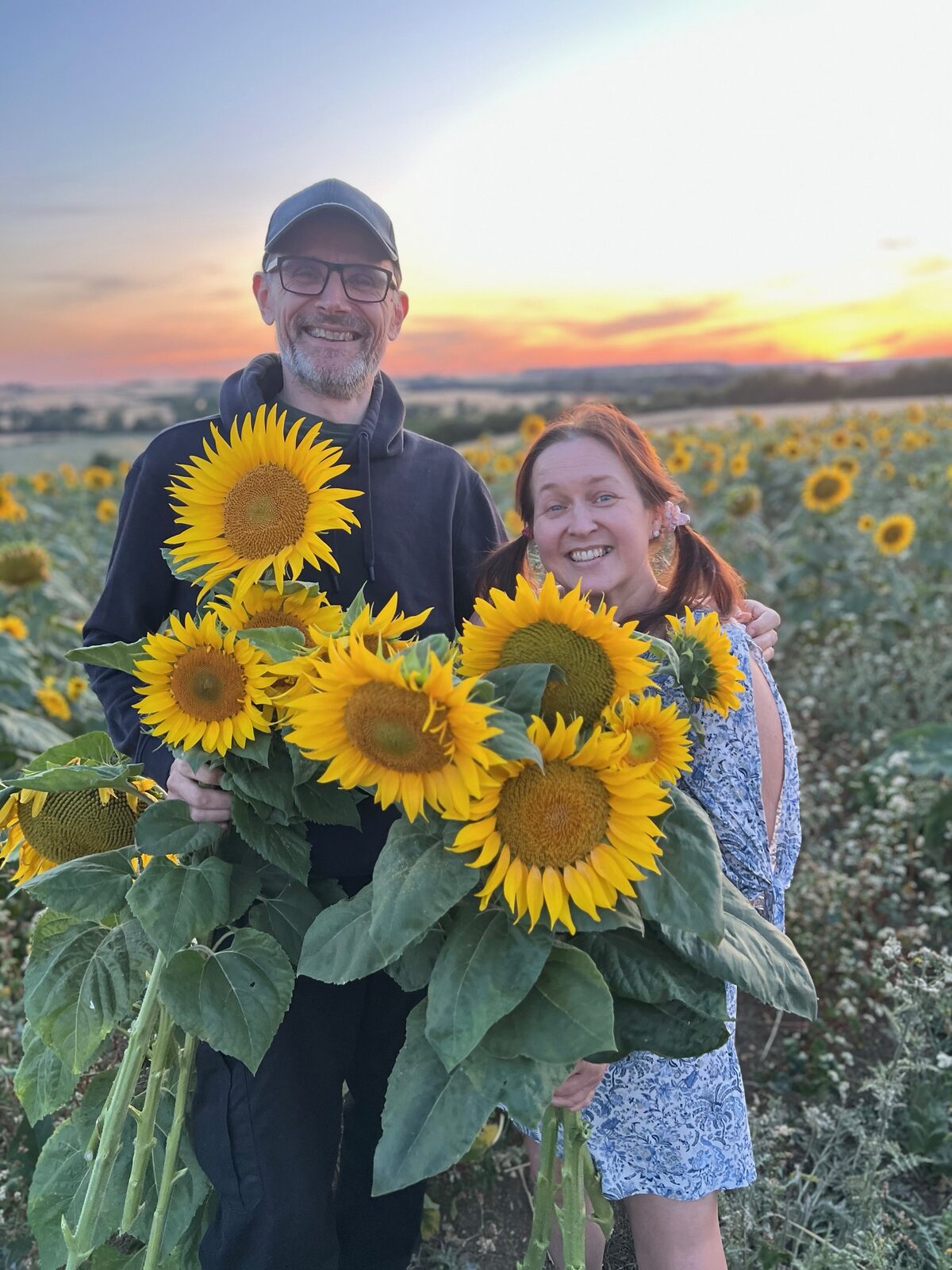
Still, there have been moments of joy. Some of them, appropriately enough, came from those stubborn sunflowers. We opened the farm and invited local people to come and pick them, raising money for our village church. After months of looking at the crop primarily in terms of moisture, yield, seed and pigeons, it was rather wonderful to watch families walking through the fields, carrying armfuls of enormous yellow flowers. There is probably a lesson there about the difference between agricultural value and actual value.
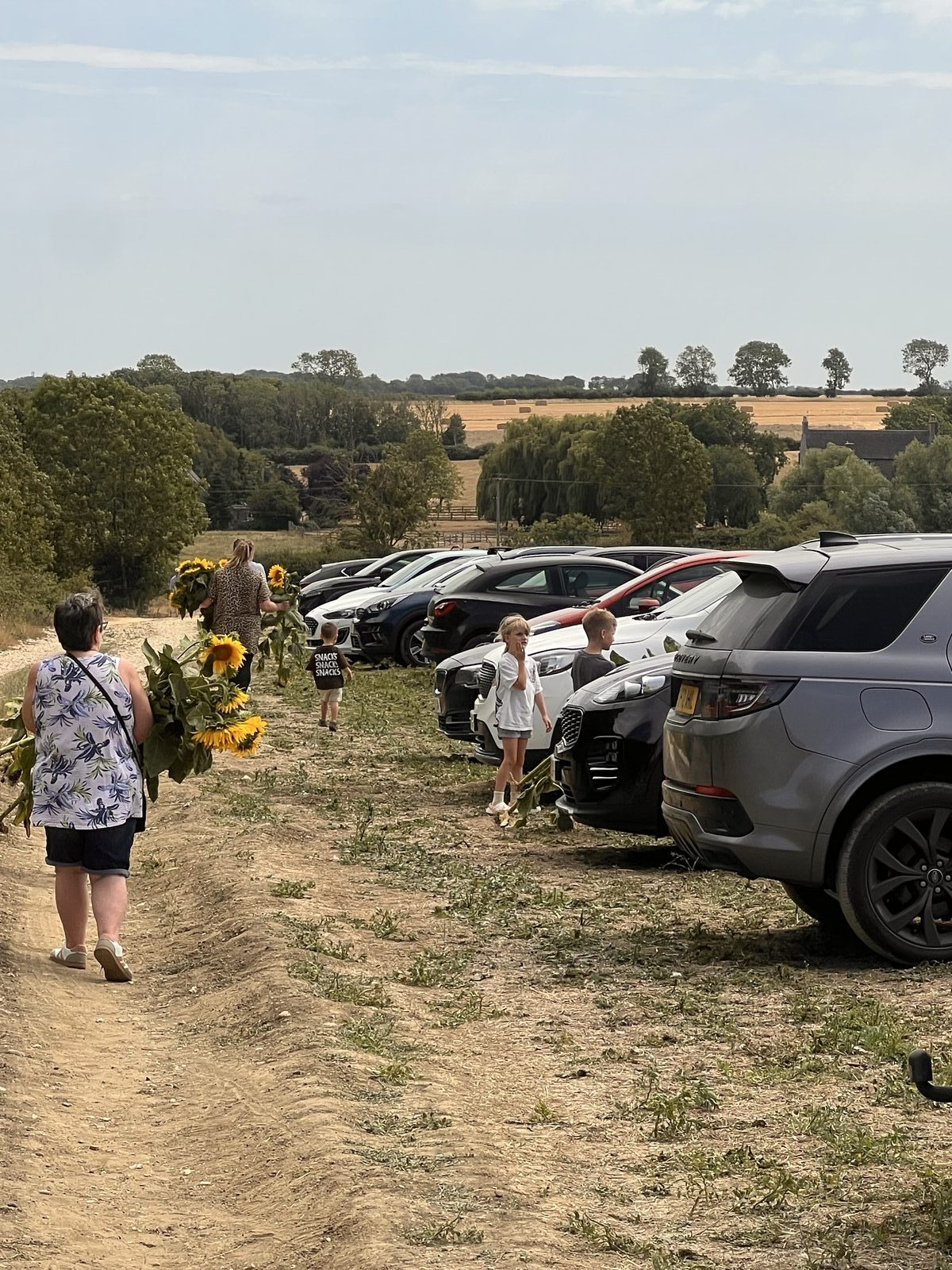
Then, more recently, we welcomed a metal-detecting group onto the farm for a weekend. I always enjoy visitors such as these because farming gives you an unusual relationship with history. We work the same land year after year, but only the top few inches are normally visible to us. Beneath them is an archive which nobody has catalogued. Coins emerge. Buckles. Buttons. Pieces of metal, which briefly cause great excitement before someone identifies them as part of a Victorian hinge.
This time, among the finds, were several tiny bells. They were livestock bells, apparently of the sort worn by sheep in the 1600s. Before GPS collars, electric fencing and WhatsApp groups, a shepherd’s technology was rather more straightforward. A bell helped him know where his sheep were. He could hear one straying, caught in brambles or moving when it shouldn’t be. And, perhaps more importantly in less law-abiding times, he might hear the sudden activity associated with someone attempting to make his flock smaller and theirs larger.
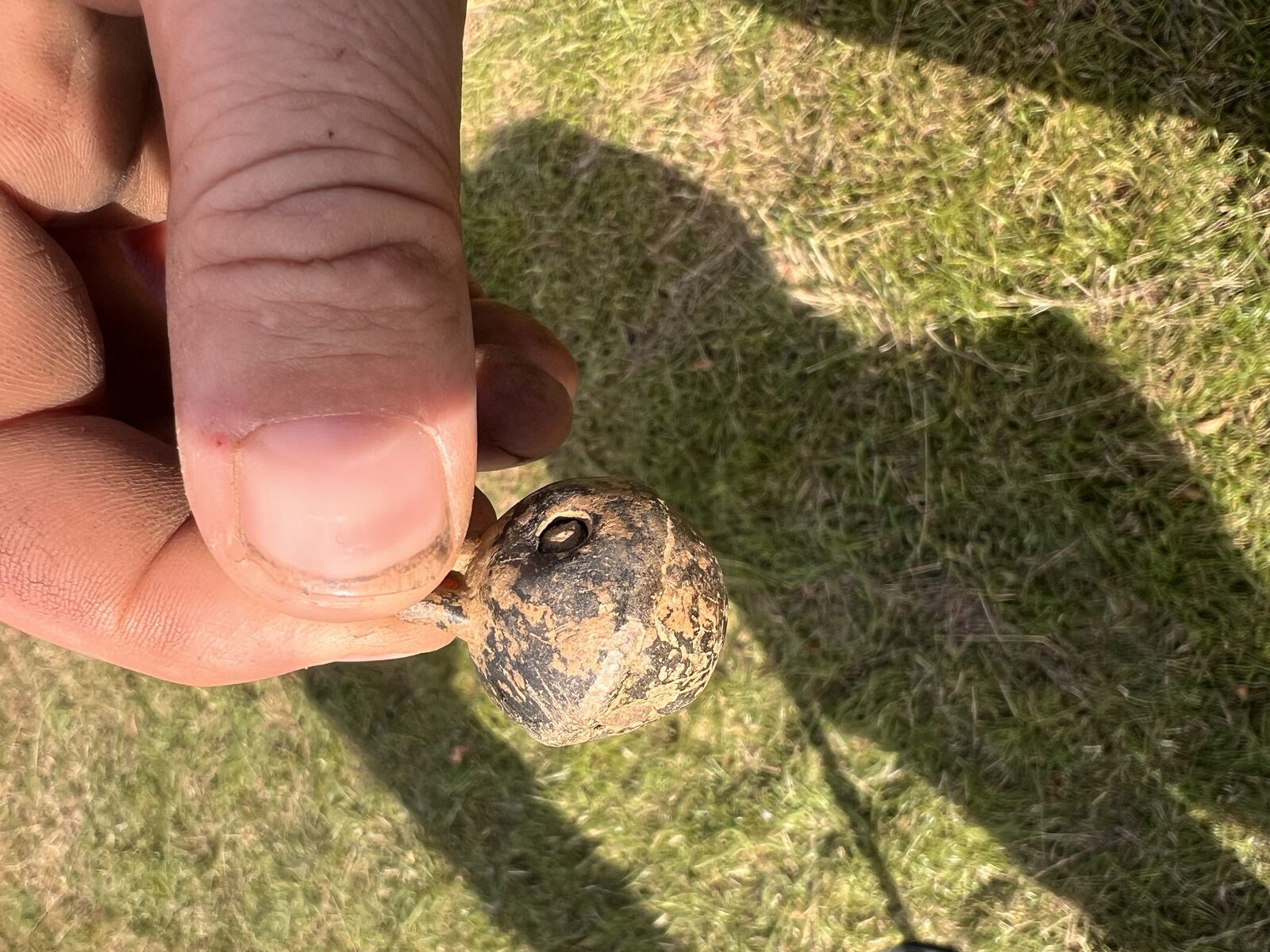
One of the bells was carefully cleaned. Then somebody rang it. It was a tiny sound. And for me it was the best thing we found all weekend. Because that sound had last rung across these fields perhaps four centuries ago. A shepherd would have heard it while standing somewhere I now stand. The hedges would have been different. The fields were probably smaller. There was no A1, no combine, no nitrogen fertiliser, no BYDV variety debate and certainly no five-day weather app being refreshed every 20 minutes. But there were crops to grow, sheep to find, weather to worry about and people wondering whether this year would be better than the last. For all the technology we pile onto farming, some things don’t change very much.
We spend a lot of time now talking about resilience. Resilient soils. Resilient rotations. Resilient varieties. Resilient farm businesses. Perhaps resilience is less glamorous than we sometimes make it sound. Perhaps it is a sunflower sitting still through a dry spring, refusing to die until the rain eventually comes. Perhaps it is rye simply growing taller than the weed beside it. Perhaps it is waiting another week to drill wheat, while staring nervously at a black cloud over Northamptonshire. Or perhaps it is just a little bell, buried in a Cambridgeshire field for four hundred years, which – after everything that has happened above it – can still ring.