
The Sustainable Farming Incentive (SFI) changes announced in September 2026 have left many growers reassessing their cropping plans. With growers looking for practical alternatives that maintain productivity while continuing to deliver environmental benefits, spring pulse crops offer an increasingly attractive option.
At the same time, the introduction of the Carbon Border Adjustment Mechanism (CBAM) from January 2027 is expected to renew focus on fertiliser use efficiency and the carbon footprint of crop production. For many businesses, these twin pressures create an opportunity to revisit the role of pulses within the rotation.
For growers seeking a break crop that can contribute agronomically, environmentally and financially, Limagrain’s spring bean and combining pea portfolio offers a proven route to greater rotational resilience.
Productive farming rather than land out of production
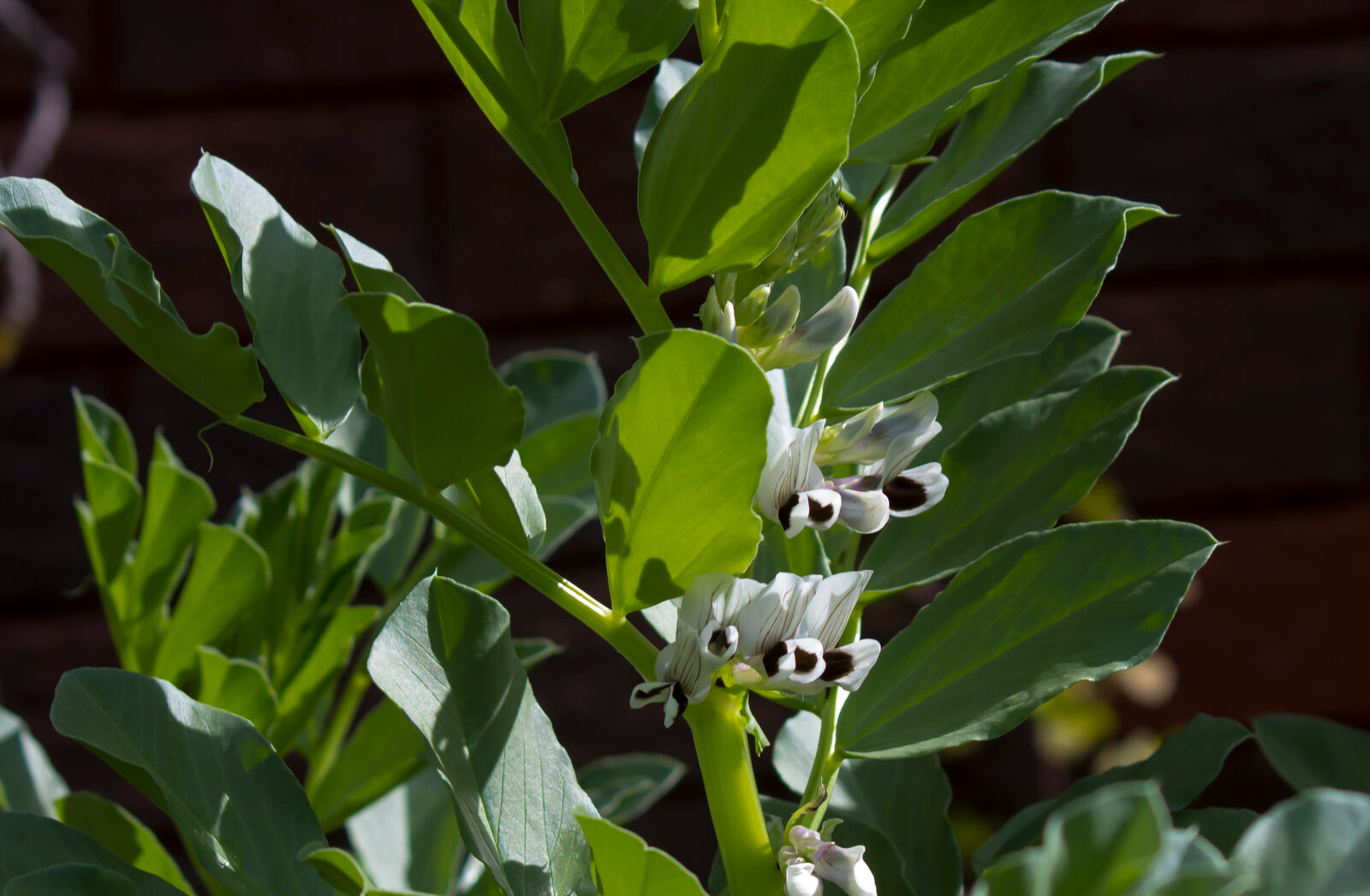
Spring pulses provide growers with the opportunity to keep every hectare working. Unlike many environmental options, peas and beans deliver both a harvested crop and significant rotational benefits, including nitrogen fixation, improved soil structure, enhanced biodiversity and opportunities for grassweed control.
As support schemes continue to evolve, crops that combine profitability with sustainability are becoming increasingly important. Pulses allow farm businesses to maintain productive acreage while continuing to demonstrate the environmental outcomes that are increasingly expected throughout the food supply chain.
A valuable tool ahead of CBAM
Manufactured nitrogen fertiliser remains one of the largest input costs and carbon contributors within farming systems. As CBAM begins to influence fertiliser markets, crops that reduce dependence on applied nitrogen are likely to become increasingly valuable.
By fixing atmospheric nitrogen, spring beans and peas help reduce fertiliser requirements and leave a valuable legacy for following crops. Many farmers continue to see stronger first wheats following pulses, benefiting from reduced nitrogen requirements and improved rotational performance.
Heather Oldfield, Cereals and Pulses Product Manager for Limagrain UK, comments: “We know that a first wheat following a pea crop has a saving of approximately 70kg nitrogen/ha, and following beans, 40kg nitrogen/ha. At today’s fertiliser costs, this represents a saving of £98/ha for peas and £56/ha for beans.”

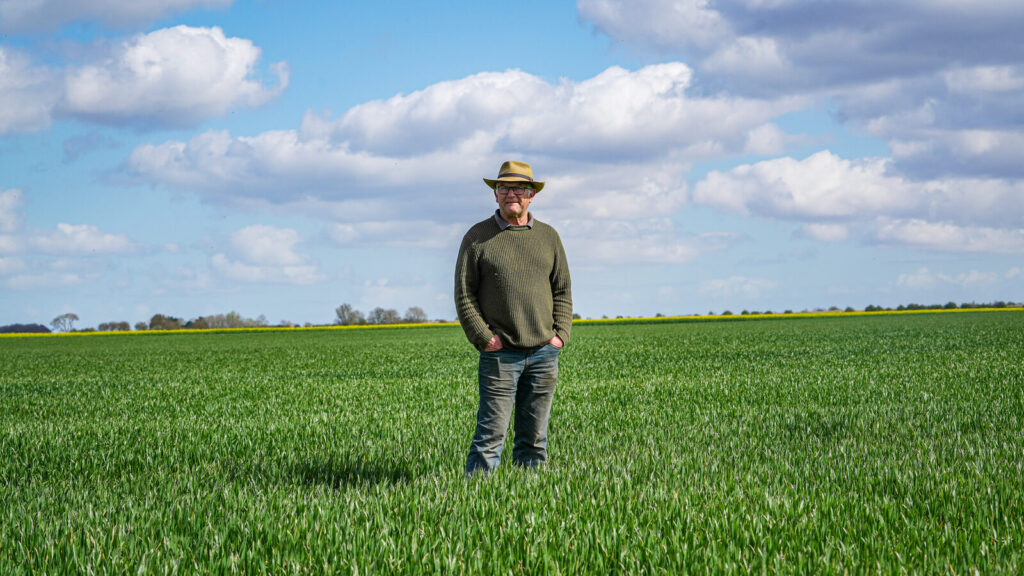
These figures are increasingly reflected in commercial farming practice. North Yorkshire farmer Richard Barker of Lingy Moor Farm has already begun adjusting nitrogen applications to crops following beans, as confidence in the rotational benefits grows.
“Yes, I’m going at it tentatively, but we’re reducing by around 40kg nitrogen/ha following beans.”
Supporting the demand for homegrown protein
Demand for homegrown protein continues to grow as livestock supply chains look to reduce reliance on imported soya. Beans and peas offer a traceable, sustainable protein source that can be produced within existing UK arable rotations.
As more processors, livestock producers and end markets focus on carbon reduction and supply chain resilience, opportunities for high-quality pulse production are expected to strengthen further.
With increasing focus on fertiliser use efficiency and carbon footprint, Richard sees pulses as a real solution.
“For both nitrogen use efficiency and carbon footprint, pulses are important, but also for feed too. I’m trying to be self-sufficient with my cattle feed. It’s not just about replacing a bought-in protein; it’s also about giving the cattle health and performance benefits. We’re not replacing like-for-like, and the cattle are definitely performing better.”
Pulses deliver more than a break crop
The real value of pulses is often seen across the rotation. Spring cropping creates opportunities to tackle grassweed pressure, while the break from cereals can help reduce disease pressure and support more diverse and resilient rotations.
Their rooting characteristics can assist soil structure, while flowering crops contribute to biodiversity by providing an important food source for pollinating insects.
For Richard, these rotational benefits were a key factor behind introducing pulses as an alternative break crop to oilseed rape.
“I’ve seen improvements in soil health and good following cereal crops. My ultimate hope is to improve soil health and improve resilience during wet weather and heavy droughts. Hopefully, in the long term, it will then look after me.”
Limagrain varieties built for modern rotations
“As the industry digests the impact of SFI September 2026 and prepares for the introduction of CBAM, reducing reliance on manufactured nitrogen is becoming an increasingly important consideration,” says Heather. “Well-bred pulse varieties can play a valuable role in helping farmers improve nitrogen use efficiency across the rotation, while also meeting growing demand for sustainable, homegrown protein. At Limagrain, our investment in pulse breeding is focused on delivering varieties that provide both strong agronomic performance and long-term rotational value.”
Farm experience highlights the potential
For Richard Barker, pulses have become an increasingly important component within the rotation, delivering agronomic, environmental and financial benefits across the farming business. While pulse crops are often assessed on their individual gross margin, Richard believes their wider contribution should not be overlooked.
“It’s very important that a crop delivers both environmental and financial benefit. I see it as money in two banks. Pulses need to be assessed on their whole rotation value, not just the crop margin alone.”
His experience reflects the wider role pulses can play in helping farmers improve resilience, reduce reliance on manufactured fertiliser and maintain productivity while contributing to evolving sustainability objectives.
While it can be difficult for an arable farmer to quantify the benefits of pulses as part of the whole rotation, Robert Nickols of DE Nickols & Sons in Little Hale Fen in Lincolnshire has always recognised the benefits.
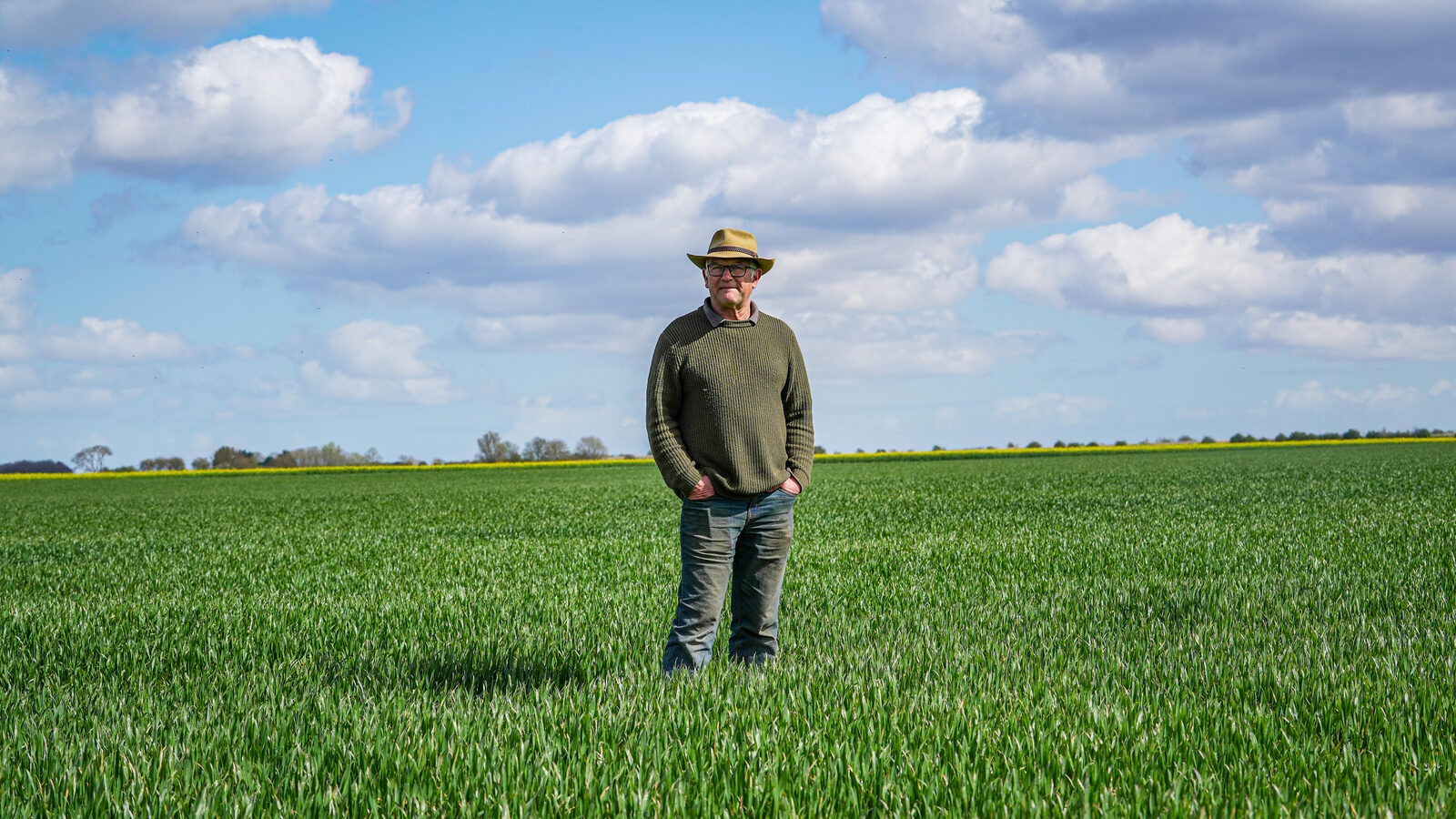
“Beans are a key part of our rotation. In harvest 2026 we saw the value again, with two fields of LG Defiance – one following oilseed rape yielding 10.2 t/ha, but the next-door field on the same soil type, treated in the same way but following beans, yielded 11.4 t/ha. We would put the result down to the pre-cropping.”
Looking ahead
As growers plan rotations for 2027 and beyond, the combination of changing SFI arrangements and the impending impact of CBAM is encouraging a fresh look at crops capable of delivering multiple benefits.
Winter and spring pulses provide a marketable crop, reduce reliance on manufactured nitrogen, support soil health, help manage grassweeds, contribute to biodiversity objectives and align with growing demand for sustainable homegrown protein.
In this changing environment, Limagrain pulse varieties offer far more than simply another break crop; they provide growers with a practical, profitable and sustainable option that can strengthen rotations, improve resilience and help future-proof farm businesses.