
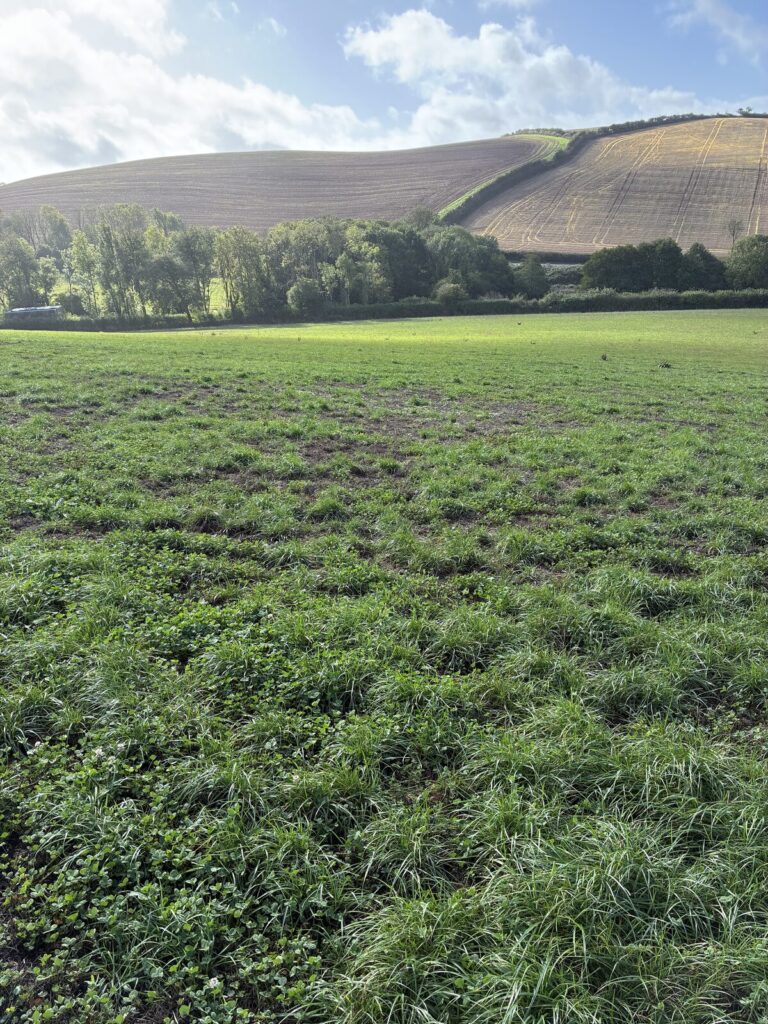
What the 2026 season has taught us about ley longevity, soil health and making every nutrient count
The 2026 growing season again exposed how vulnerable forage production is to extreme heat and limited moisture. After the drought of 2025, many farms hoped to rebuild stocks; instead, resilience has become an immediate priority.
The lessons go beyond rainfall. Ley condition, species choice, soil structure, nutrient balance and timing all influence how grassland withstands stress, and recovers.
The answer is not simply more inputs, but understanding each field, protecting soil function and using nutrients where they will deliver a return.

Start with the condition of the ley
Younger, productive leys have generally recovered faster after cutting, and used nutrients more effectively than older, tired swards. However, soil type, rooting depth, drainage, species mix and management all affect performance.
A useful ley assessment should combine what can be seen above ground with what is happening below it. Look across the whole field rather than judging from the gateway. Note gaps, weed grasses, uneven growth and areas that recover slowly after cutting or grazing. Then, dig a few small inspection holes to check rooting, aggregation, worm activity, smell and moisture movement. A ley may look acceptable from the tractor cab, while shallow roots or a compacted layer are already limiting its ability to cope with dry weather.
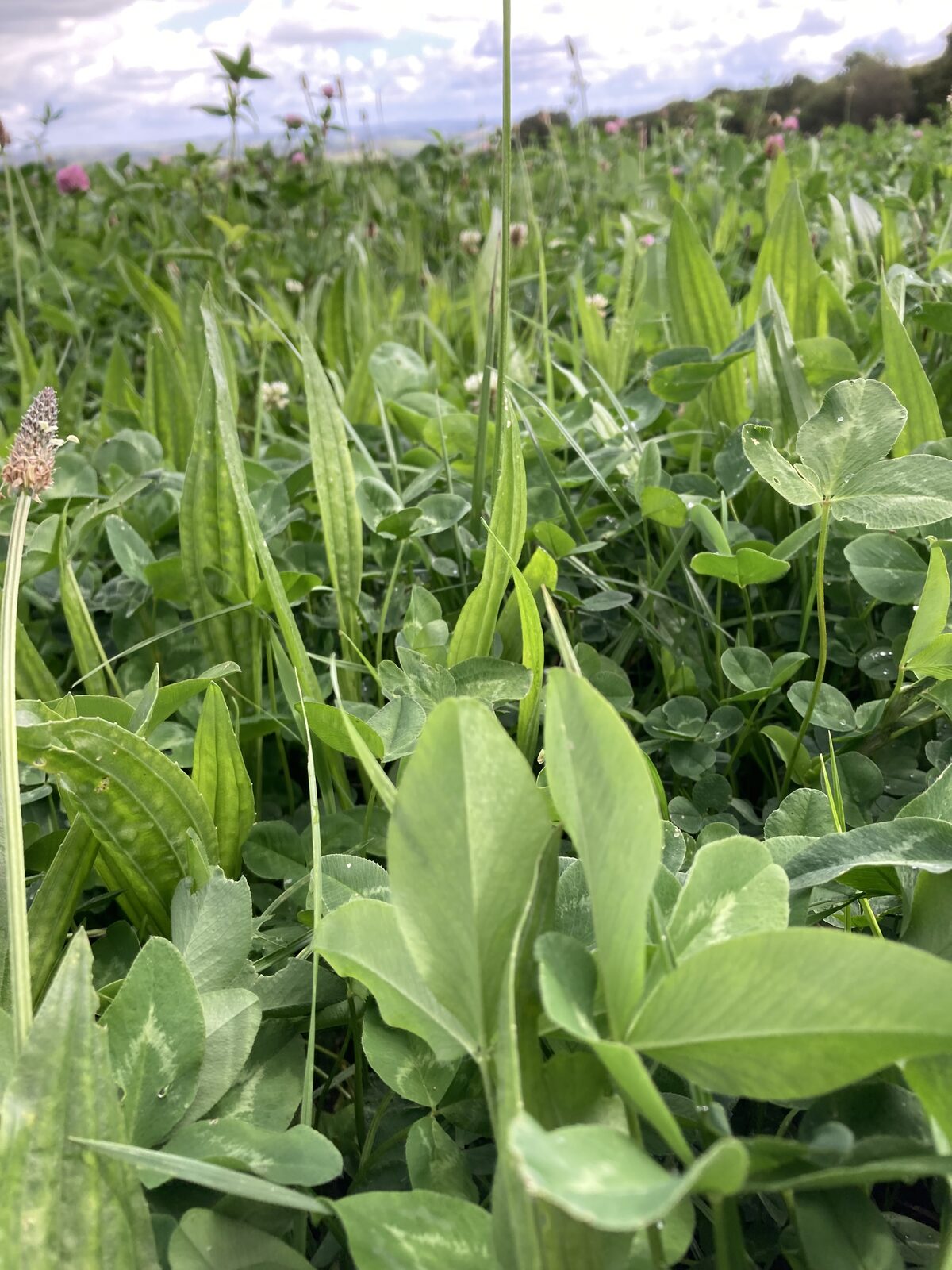
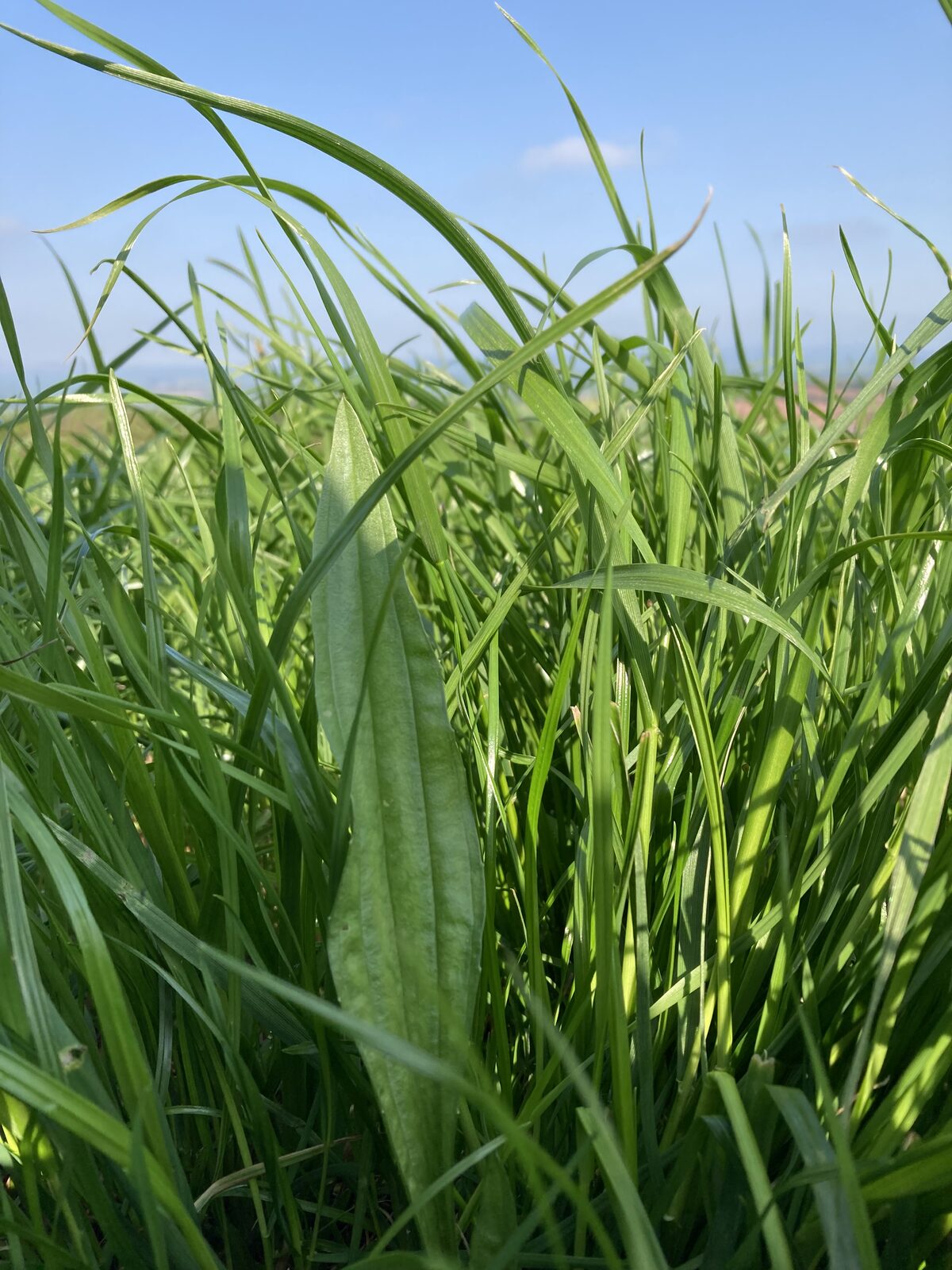
Species choice matters. This season, perennial ryegrass and multispecies leys have generally coped better with extreme heat than short-term leys dominated by Italian ryegrass.
Italian ryegrass remains useful where rapid establishment and high short-term output are priorities, particularly after maize or cereals. For longer-term leys, balance yield with persistence and recovery.
Multispecies mixtures can provide deeper roots, greater diversity and a wider spread of seasonal growth, but they must suit the soil, intended use and management.
Classify fields as retain, improve or renew. Before reseeding, identify and correct drainage, compaction, pH or nutrient problems so the new ley does not inherit the same constraint.
Renewal should therefore be a planned decision, not an automatic reaction to one difficult season. Where the base sward is sound, correcting pH, relieving a localised constraint or overseeding may restore production at lower cost and with less soil disturbance. Where desirable species have largely disappeared, weeds dominate or structural problems are widespread, a full reseed may be justified. Matching the response to the cause protects both the budget and the soil.
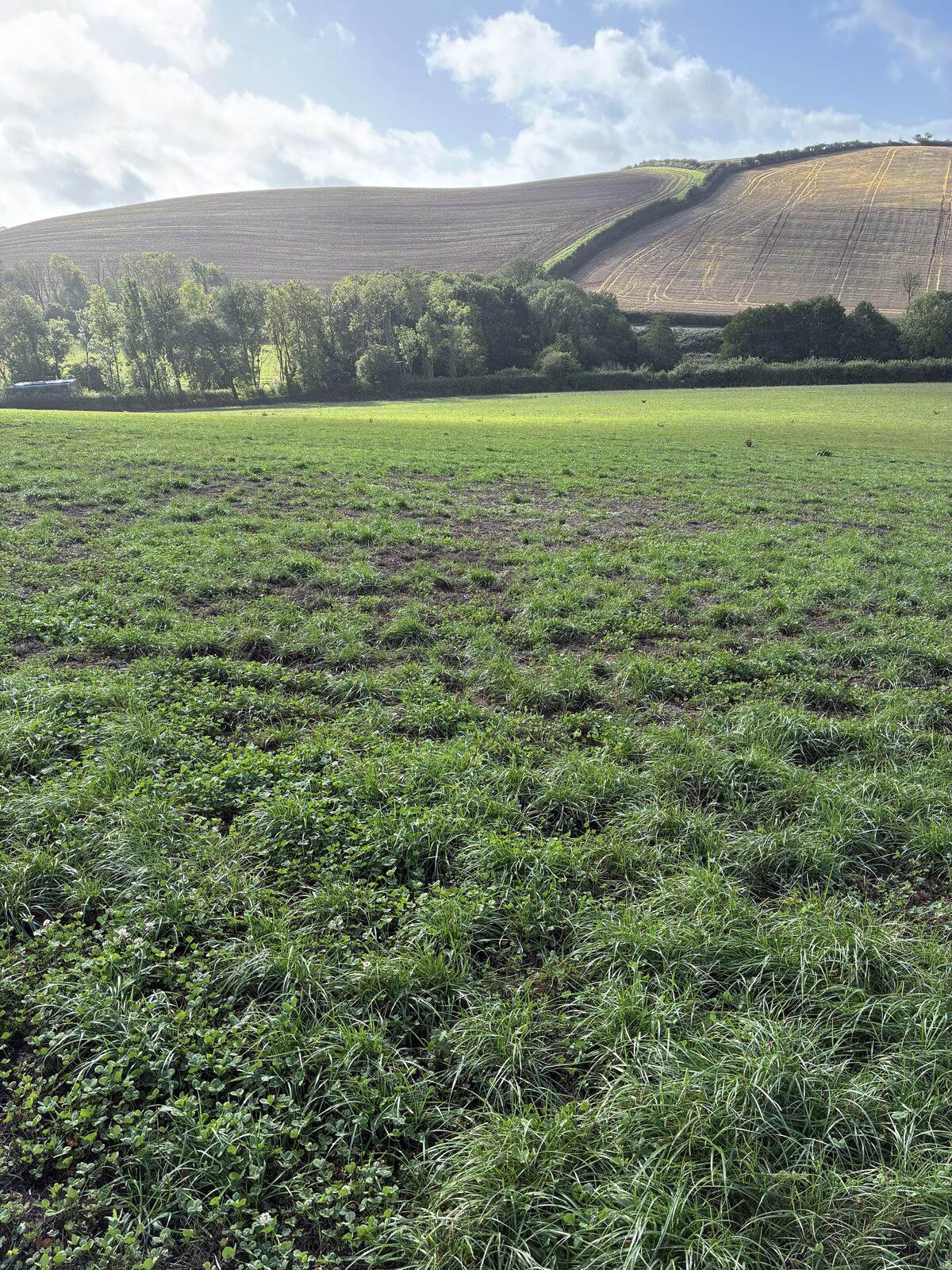
Protect the soil before winter
Late grazing can add valuable dry matter, but poaching wet soils may reduce production well into the following year.
Focus on gateways, troughs, feed areas and busy routes. Use back-fencing, move temporary feed or water points and avoid grazing when soils cannot carry stock.
Small changes can protect vulnerable ground without ending the grazing season. Shorten grazing bouts, use larger breaks, provide several access points where possible and move stock before repeated treading turns the surface into mud. Sacrifice areas can be useful, but they should be chosen deliberately and repaired promptly. The aim is to harvest grass while preserving pore space, infiltration and rooting for the following season.
Where compaction is suspected, establish its depth and cause before acting. Slitting may help surface compaction in suitable conditions, but not severe compaction or poor drainage. Avoid remedial work when machinery would cause further damage.
Apply nutrition when the plant can respond
Nutrients need moisture to move through soil and enter roots. During drought, uptake and crop demand both fall, so an application may give little return.
Plan nutrition around soil moisture, likely rainfall, active growth and expected response –not the calendar alone. Treat slurry with the same discipline: know its value, apply it accurately and target responsive fields.
This approach also improves operational flexibility. Rather than treating every field alike, prioritise those with moisture, leaf area and a realistic yield response. Delay or reduce applications where growth has stopped and reassess after rain, rather than assuming the original plan still fits. On variable farms, splitting applications can reduce risk and allow later decisions to reflect actual crop demand.
Identify the real limiting factor before adding fertiliser. Drought, compaction or poor drainage cannot be corrected with more nutrients. Autumn fresh-grass results have also shown high nitrogen where more was still being applied; in some cases, sulphur or another nutrient may have offered greater value. Soil analysis, supported where useful by SAP or tissue testing, helps target spend and avoid unnecessary inputs.
Account for every nutrient entering the farm
On livestock farms, repeated slurry and manure applications can supply substantial nutrients. Potassium may accumulate, encouraging luxury uptake and restricting magnesium and calcium utilisation, leaving forage mineral balance out of line.
Bought-in feeds, forage and mineral supplements also import phosphorus, potassium and other minerals. Include them in the whole-farm nutrient budget to avoid buying nutrients already in surplus. Regular slurry and manure analysis is central to this planning.
Resilience is built before the next drought
The starting point is a simple nutrient inventory: what enters the farm, where it is stored, which fields receive it, and what departs in milk, meat or crops. This does not need to become an academic exercise. It should highlight fields that repeatedly receive slurry, fields with rising indices and feeds that bring large mineral loads. That information can then guide manure allocation, fertiliser purchases and forage planning.
Use soil analysis for field decisions, SAP or tissue testing to investigate crop uptake, and full silage mineral analysis to understand nutrient cycling through the farm.
Testing is most valuable when the results change a decision. Sample consistently, compare trends over time and discuss unusual results across the agronomy and nutrition teams. Linking soil, crop and forage information can reveal whether a problem begins in the field or later in storage and feeding. It also gives farmers a stronger basis for deciding where the next pound spent will produce the greatest benefit.
Five priorities for spring 2027 – and the work starts now
- Assess every ley. Rate each field: red to renew, amber to improve or overseed, and green to retain.
- Protect soil structure. Prevent poaching in high-traffic areas and address drainage or compaction when soil conditions are suitable.
- Choose the right ley for the job. Match species and mixtures to soil type, intended use, length of rotation and management.
- Test before treating. Use soil analysis to guide nutrient decisions, supported where useful by grass SAP, tissue, silage, slurry and manure analysis.
- Time nutrition to conditions. Consider soil moisture, rainfall prospects and active plant growth. Account for slurry, manure, bought-in feed and forage so that every nutrient application has a clear purpose.
Resilient grassland management means keeping soils covered and functioning, maintaining living roots, improving nutrient cycling and acting on field evidence. These principles help protect output, control costs and speed recovery after dry weather.