
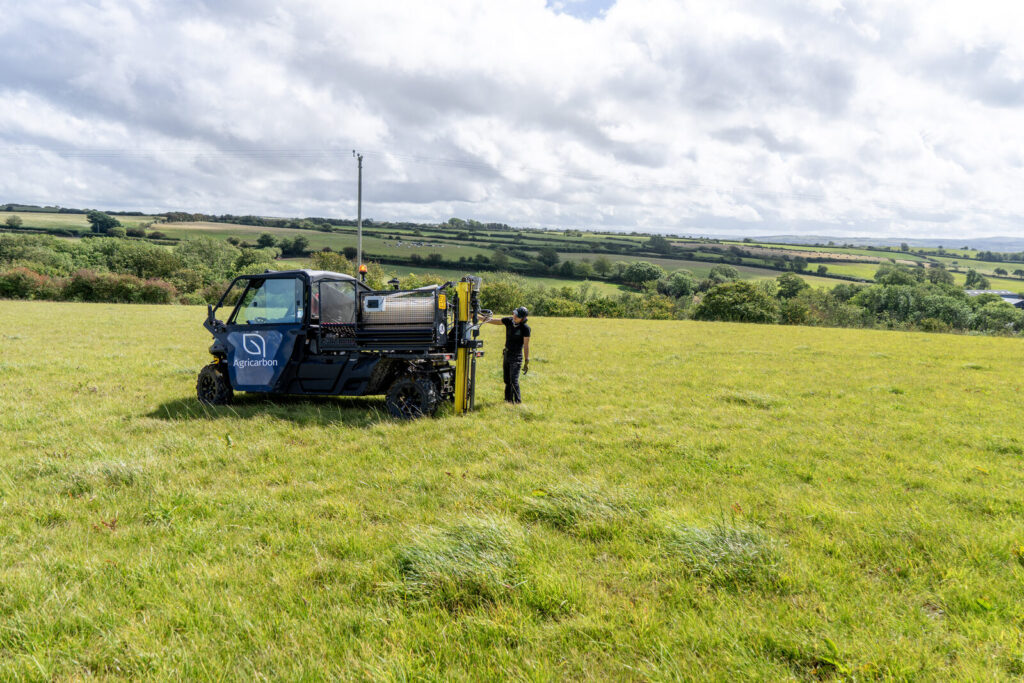
There is plenty of discussion about carbon markets in farming, and understandably, farmers have questions about how the market works, whether it will last and what the opportunity really means for their businesses. But uncertainty about the market shouldn’t stop farmers from taking one important step: establishing a robust soil carbon baseline.
As Matt Jordon, Chief Scientific Officer at Regenerate Outcomes, explains, a baseline gives farmers a starting point from which changes in soil carbon can be measured, while keeping future options open.
Regenerate Outcomes provides soil carbon baselining and measurement at no upfront cost, alongside mentoring to help farmers build soil health, improve performance and increase resilience and profitability.
Why establish a baseline now?
Carbon credit markets have existed since the 1990s, but they remain relatively new to many farmers. It is therefore understandable that there is uncertainty about the role agriculture can play and the opportunity available.
When it comes to soil carbon, however, the principle is straightforward.
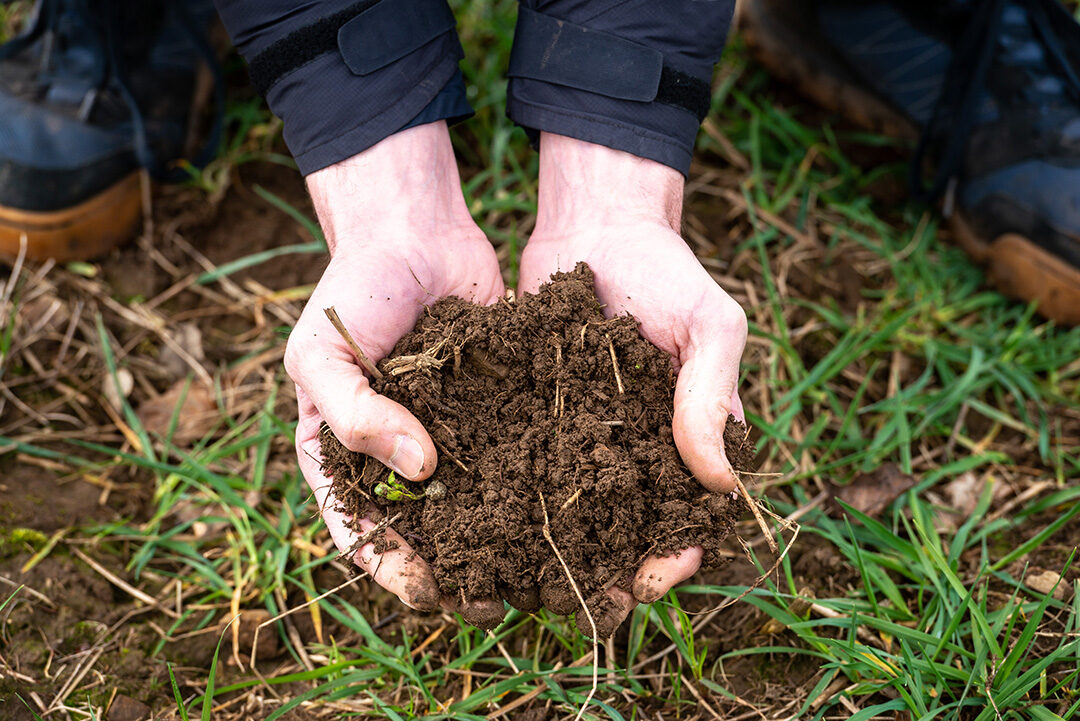
If you are adopting practices designed to improve soil health and increase soil organic matter, establishing a baseline allows you to measure whether those changes are actually increasing the amount of carbon stored in your soil.
Without a reliable starting point, it becomes much harder to demonstrate what has changed over time.
This is particularly important because building soil carbon is a long-term process. The sooner a robust baseline is established, the sooner you can begin tracking changes and building a record of what is happening on your farm.
Importantly, establishing a baseline does not commit you to selling carbon credits or entering the carbon market.
Don’t waste money on an inadequate baseline
Not all soil carbon measurements are the same.
If you are going to establish a baseline, it makes sense to ensure that the data is robust enough to remain useful as the market develops.
A baseline that follows an internationally recognised methodology and is compatible with independent verification can help keep future options open. It also provides greater confidence that changes measured over time are real and can be properly accounted for.
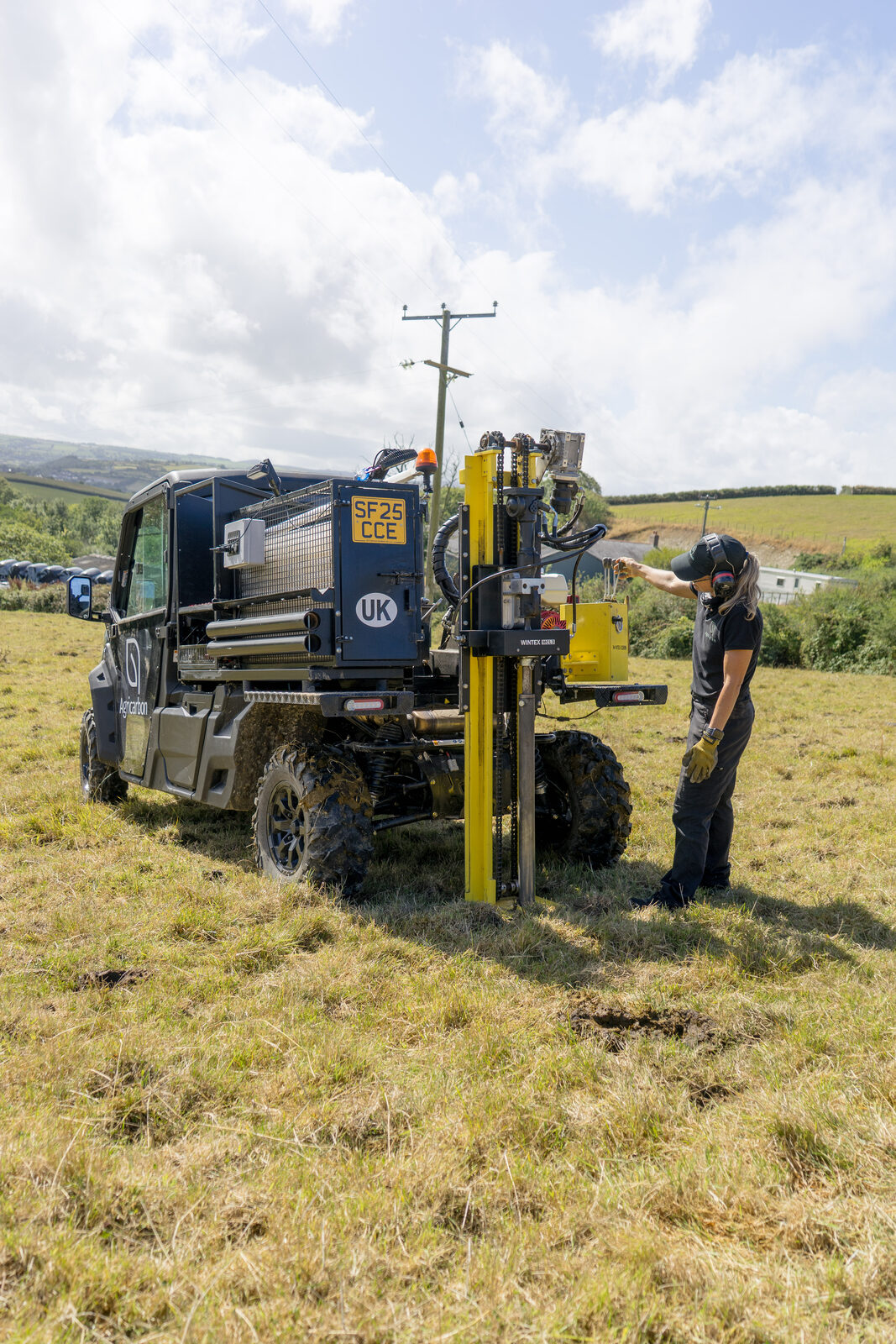
This is why it is important to look beyond simply obtaining a soil carbon figure. Farmers should consider how the samples are taken, the depth measured, the methodology used and whether the approach is compatible with the standards likely to be required if carbon is eventually monetised.
Measuring carbon in soil
Soil organic matter is approximately 50% carbon by weight. So, as a simple illustration, soil containing 4% organic matter may contain around 2% soil organic carbon.
However, measuring a change in the percentage of carbon is only part of the picture. To understand how much carbon is being stored, measurements need to be converted into a carbon stock; changes in soil carbon stock over time are then used to assess carbon sequestration.
Carbon is converted into carbon dioxide equivalent (CO₂e). By weight, one tonne of carbon represents approximately 3.67 tonnes of CO₂.
This conversion is necessary because one carbon credit is equal to one tonne of carbon dioxide equivalent removed from the atmosphere.
Establishing a baseline at no upfront cost
A rigorous baseline is the starting point for demonstrating changes in soil carbon over time.
It may also become increasingly useful beyond carbon markets. As supply chains, regulation and environmental reporting develop, farmers could face growing demand to quantify aspects of their environmental performance, including carbon.
At Regenerate Outcomes, we provide soil carbon baselining and measurement at no upfront cost.
Our soil health mentoring team works with farmers to develop practical management changes designed to improve soil health, productivity and resilience. Where those changes result in increases in soil carbon, the resulting data may also support the generation of carbon credits, subject to the relevant methodology and verification requirements.
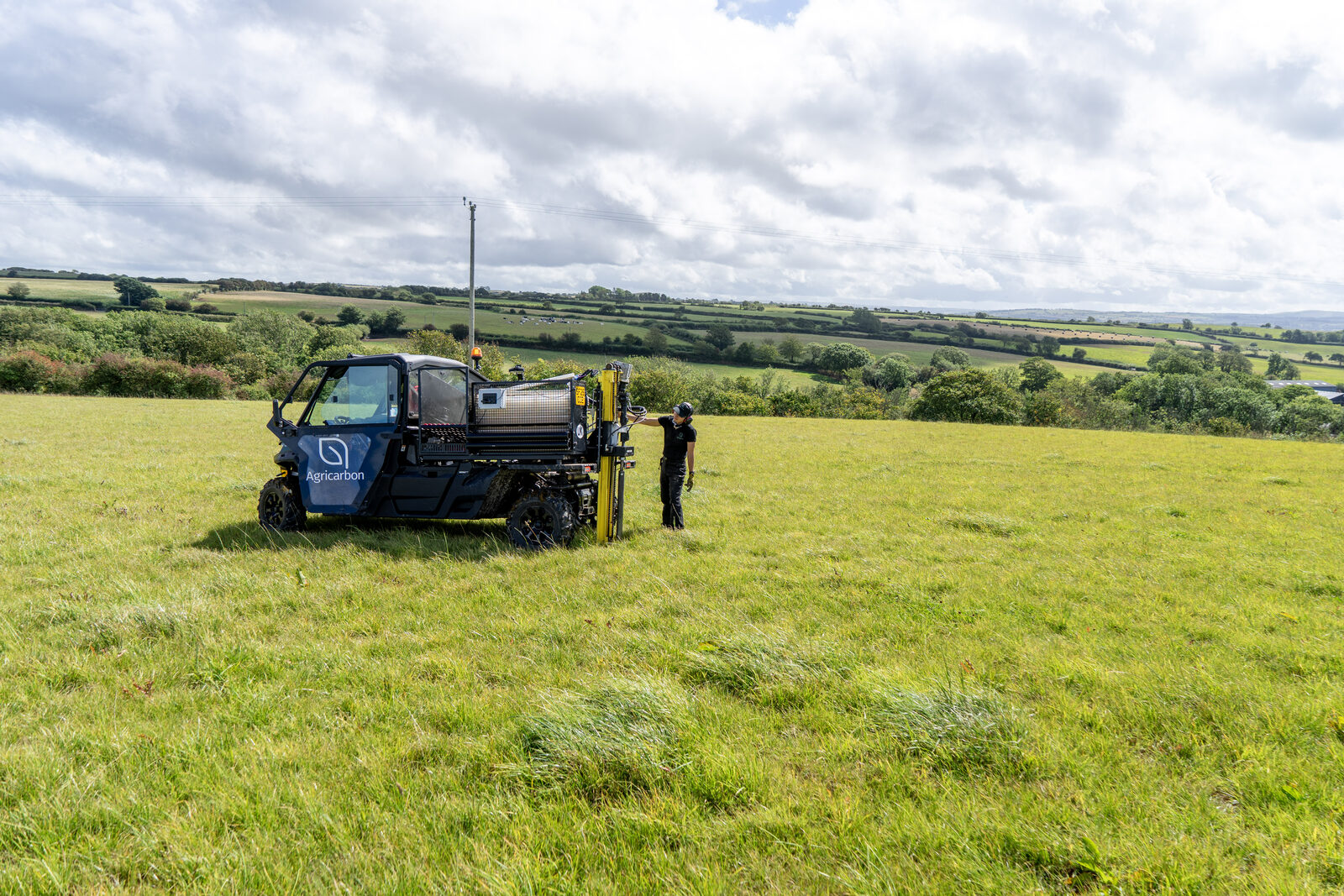
We work with Agricarbon to measure soil carbon using physical soil samples taken to a depth of 60cm. This approach is designed to meet the requirements of higher-quality carbon verification schemes.
For farmers, the message is simple: you don’t have to decide today what the carbon market will look like in five or ten years. But if you want to keep your options open, you need to know where you are starting from.
Establishing a robust soil carbon baseline now is essential if you want to be rewarded for increasing the carbon stored in your soil. Without one, you can’t claim any future increases.
Register your interest in joining the Regenerate Outcomes programme by 20th November to get your baseline from spring 2027.
www.regenerateoutcomes.co.uk/baseline