
If there is one thing we can agree on this autumn, it is that 2026 is unlikely to be remembered fondly.
After several years of weather extremes, many hoped for a more settled and productive season. Instead, for many businesses across the region, this year has delivered disappointing crop performances, mounting financial pressure and some difficult decisions as we look ahead to 2027.
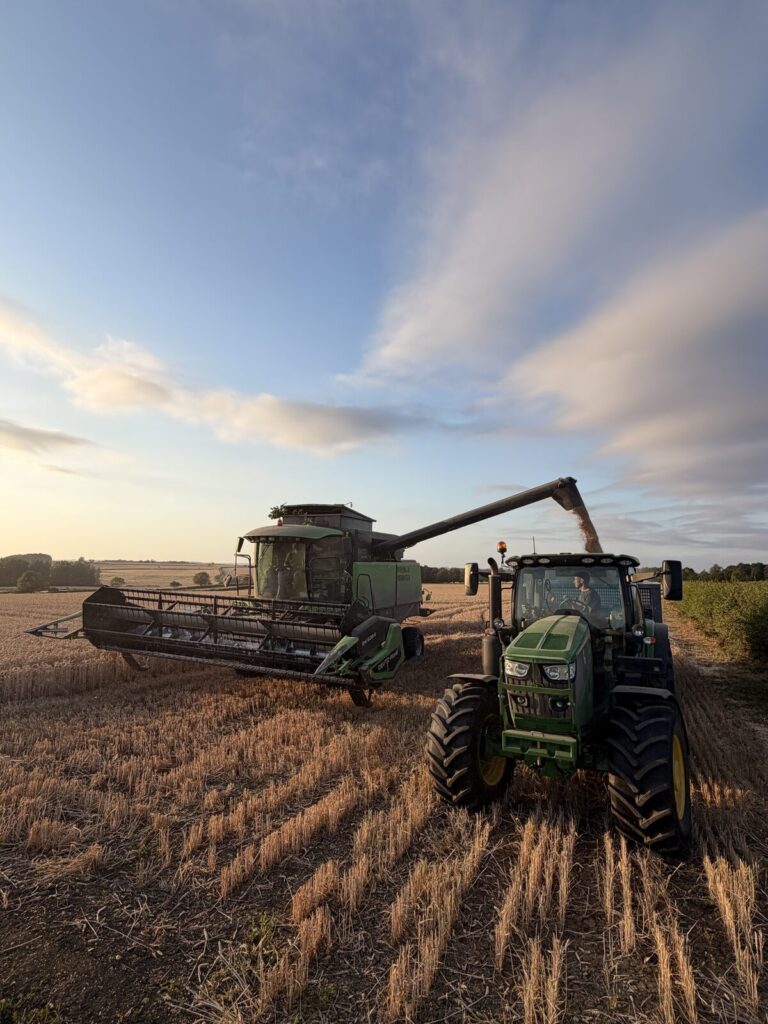
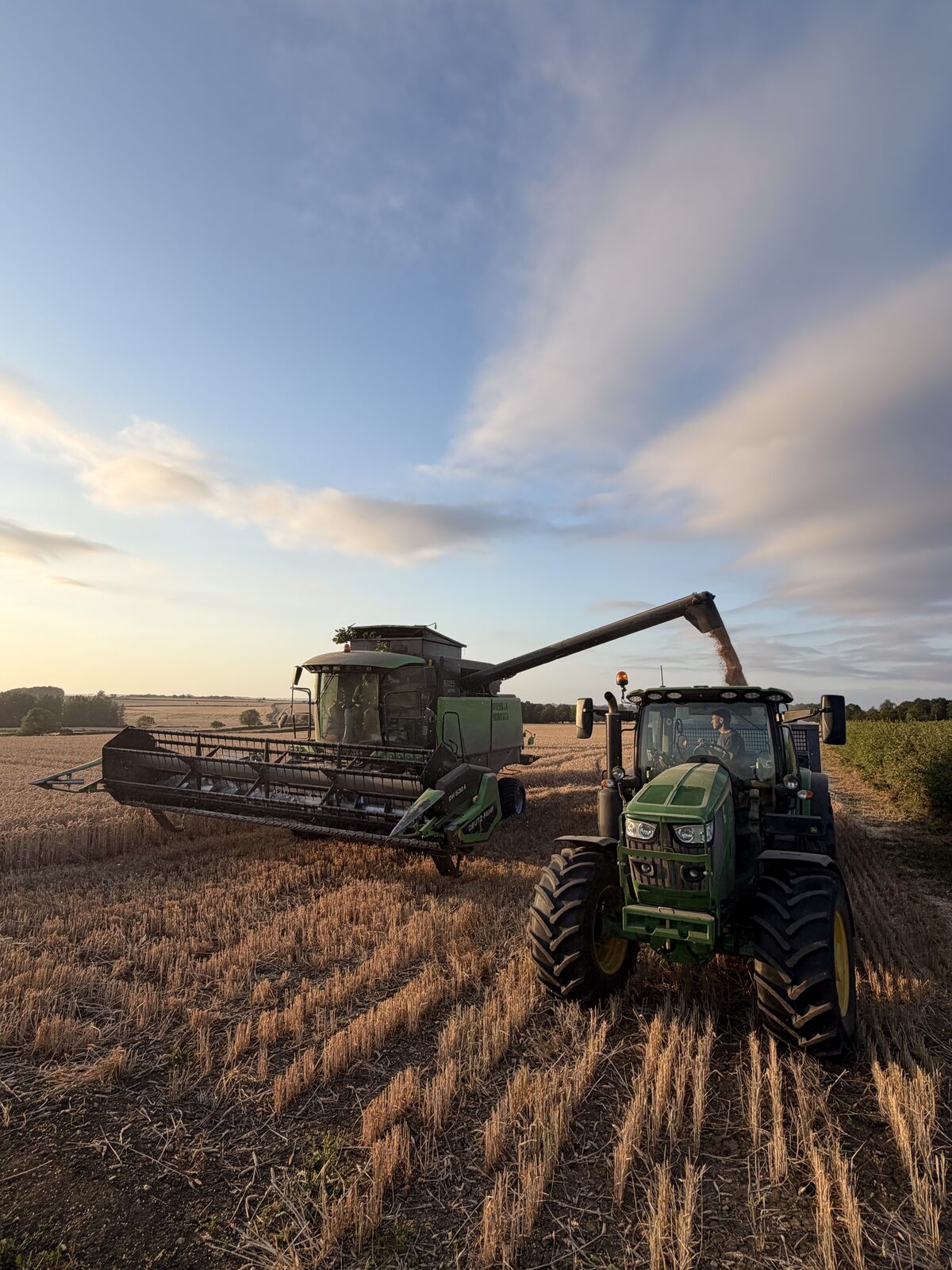
The latest Ceres Rural Yield Survey highlights the scale of the challenge. Across 275 farms, average winter wheat yield came in at 7.33t/ha, below what many growers would have expected at the beginning of the season. Spring crops performed particularly poorly, with spring wheat averaging less than 3t/ha, spring barley just under 5t/ha and spring oats falling short of 4t/ha.
Break crops have been something of a mixed picture. Oilseed rape continues its gradual resurgence, with cropping area increasing for the fourth consecutive year and average yields reaching 3.71t/ha across 107 farms. In contrast, winter beans averaged just 2.36t/ha, while spring beans struggled even further at just over 2t/ha.
Behind these figures lies a common theme: weather.
Unlike many difficult seasons that are characterised by prolonged wet periods, 2026 has been defined by a lack of moisture. The critical growing period through June and July saw many crops lose yield potential at a point when much of the season’s expenditure had already been committed. Fertiliser had been applied, fungicide programmes completed and crops generally looked promising. Unfortunately, the weather had other ideas.
This creates a difficult challenge for growers and agronomists alike. Traditionally, spending decisions are linked closely to yield potential. The aim is to invest appropriately in a crop that has the capability to deliver a return. However, when that yield potential is effectively removed by weather, after the key spending decisions have been made, it inevitably raises questions about risk management and future investment.
As we move into the 2027 season, cost control is undoubtedly under greater scrutiny than at any point in my career. Most farm businesses are carefully examining every expenditure line and asking whether there is an opportunity to trim costs without compromising performance.
The difficulty is that some costs simply cannot be avoided.
Grassweed control remains a prime example. Although dry conditions have reduced seed return in many situations, blackgrass and ryegrass have not disappeared. The temptation after a disappointing harvest is to reduce autumn herbicide investment, but history teaches us that allowing grassweed populations to rebuild is a false economy.
That said, this autumn presents its own challenges. Many of the conditions associated with poor pre-emergence herbicide performance have aligned simultaneously. Soil temperatures remain high, seedbeds are dry, rainfall is limited and establishment conditions are variable. In many situations, a more measured approach to pre-emergence spending, then using your better residual chemistry at post-emergence applications when conditions improve, may prove to be the most effective strategy.
Drilling decisions have also become increasingly difficult.
Many growers, myself included, entered the autumn favouring earlier drilling where conditions allowed. The rationale was straightforward: following another dry spring and with continued uncertainty around seasonal weather patterns, stronger rooting and earlier establishment appeared sensible.
However, the lack of moisture has challenged even that thinking. I have visited fields drilled in late September that took almost two weeks to emerge, simply because there was insufficient moisture for germination. Across Bedfordshire and the surrounding counties, drilling dates that would normally be considered ideal have delivered frustratingly slow establishment.
BYDV has probably been the issue that has challenged my thinking most this year. I’ve always been a strong supporter of reducing insecticide use wherever possible and helping clients move towards more integrated pest management. I genuinely dislike recommending insecticides, and most of my clients dislike using them.
But after seeing the level of BYDV on some farms this season, I’ve lost confidence in drilling early and relying on good fortune. If we’re going to reduce insecticide use, I increasingly believe the answer lies in drilling later or growing resistant varieties. What I no longer feel comfortable with is drilling early and taking no action; the risk simply feels too great.
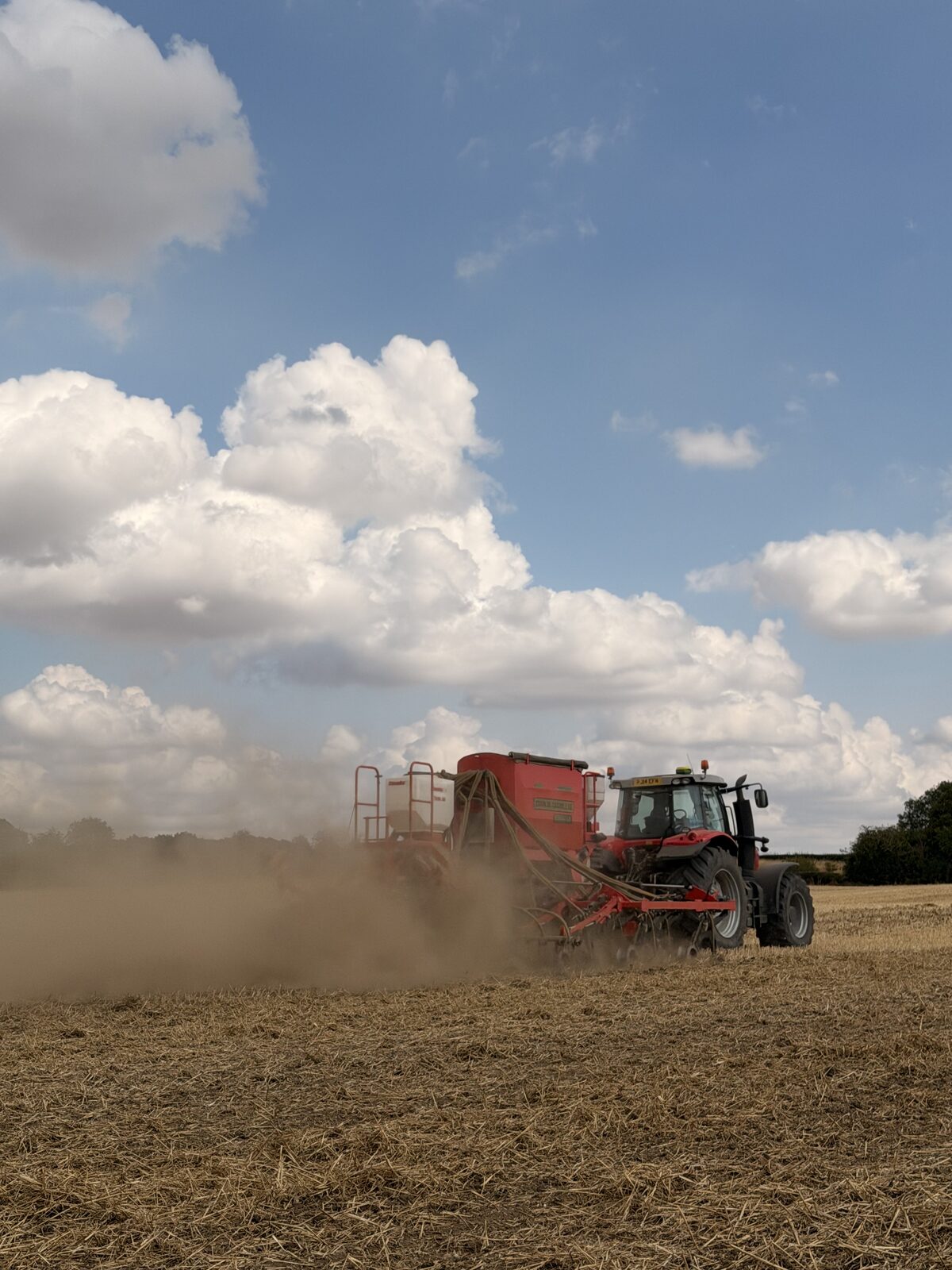
We’re starting drilling at home today on the family farm. I’d actually wanted Dad to drill a couple of weeks ago, but it felt pointless when there was no rain on the forecast. We managed to catch about 20mm over the last seven days, which is more than many of our neighbours have seen, so we finally have enough moisture to work with.
We’ve got oilseed rape in the ground, and I’m hoping that rain has arrived in time to pick it up. There are some thinner patches, and we’d been considering spinning on a bit more seed, but there simply wasn’t any moisture there to get it going. This afternoon, I’ll be out walking it and making that difficult decision about whether it’s worth keeping. It’s a conversation I’m having on plenty of farms at the moment, not just our own.
In many ways, that sums up the season. There haven’t been many straightforward decisions and there certainly haven’t been many easy answers.
It would be easy to end on a negative note, because for many farms, 2026 has been a genuinely disappointing year. However, we do have crops in the ground and, unlike a couple of years ago, we are not looking out of the window at waterlogged fields wondering if we’ll get anything drilled at all. Wheat prices have finally pushed back above £200/t, which offers some encouragement, and there are at least a few reasons to be optimistic.
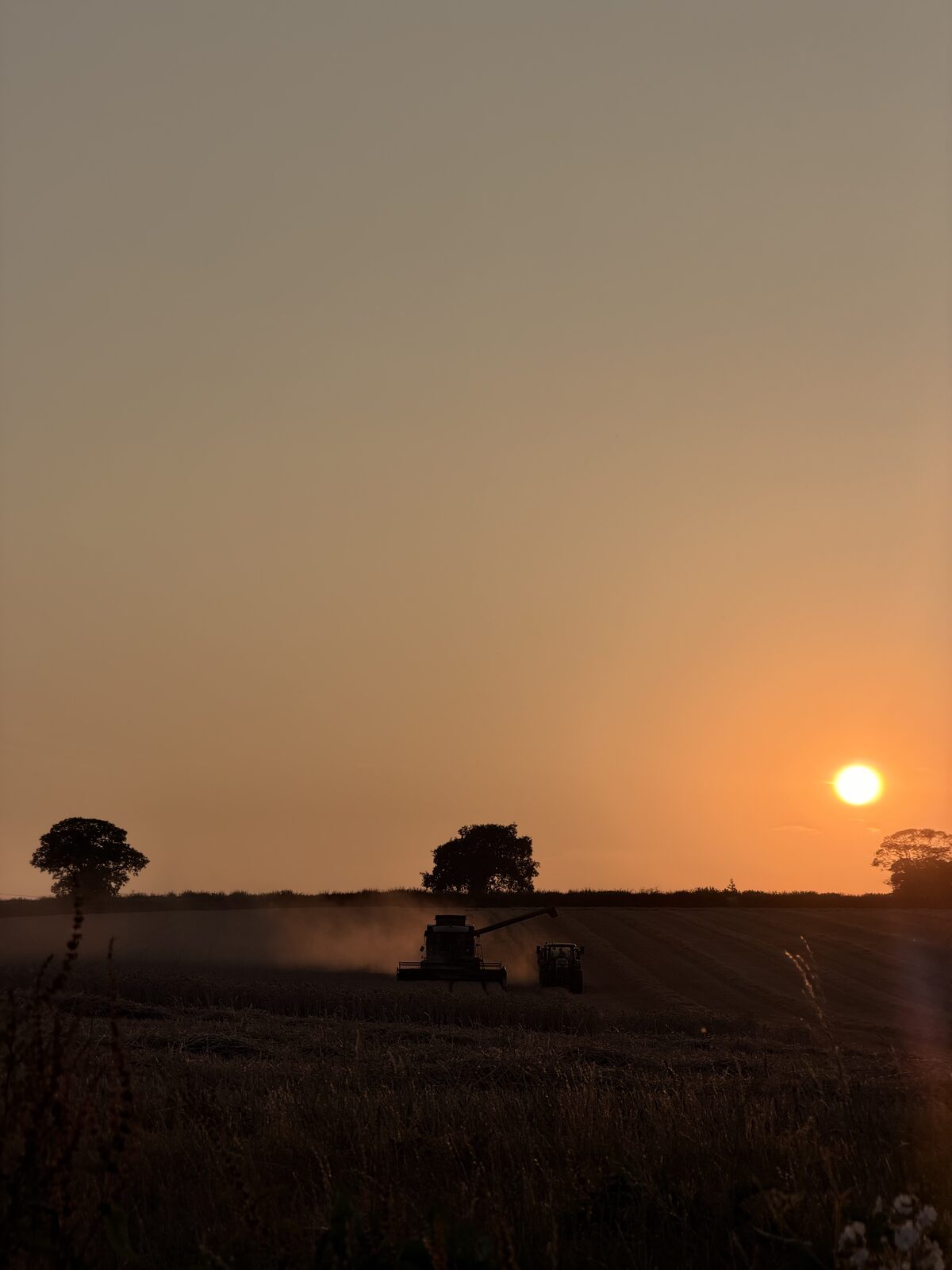
If there is one lesson I’ve taken from this season, it’s that difficult years make every decision count. In a kind season, a less-than-perfect seedbed, slight herbicide damage or small establishment issues can often be hidden by good growing conditions. When moisture is limiting and crops are under pressure, those same issues can have a much bigger impact on the final result.
We can’t control what the weather does. What we can control is the attention to detail that goes into every crop and every decision. As agronomists and farmers, we have to keep focusing on the things within our control and avoid chasing solutions to things we can’t influence.
Going into 2027, I think most of us are hoping for a more forgiving season. Farm cash flows need it, confidence needs it, and after the yields we’ve seen this year, many businesses deserve it. Farming has never been easy, but it does feel like the challenges are becoming greater and the margin for error is becoming smaller.
Despite that, one thing I’ve always admired about the industry is its ability to keep moving forward. We adapt, we learn from difficult years and we start again. Let’s just hope that this time next year we’re reflecting on a season that has given us a little more to smile about.
Follow my agronomy updates on Instagram: @louisepennagronomy_