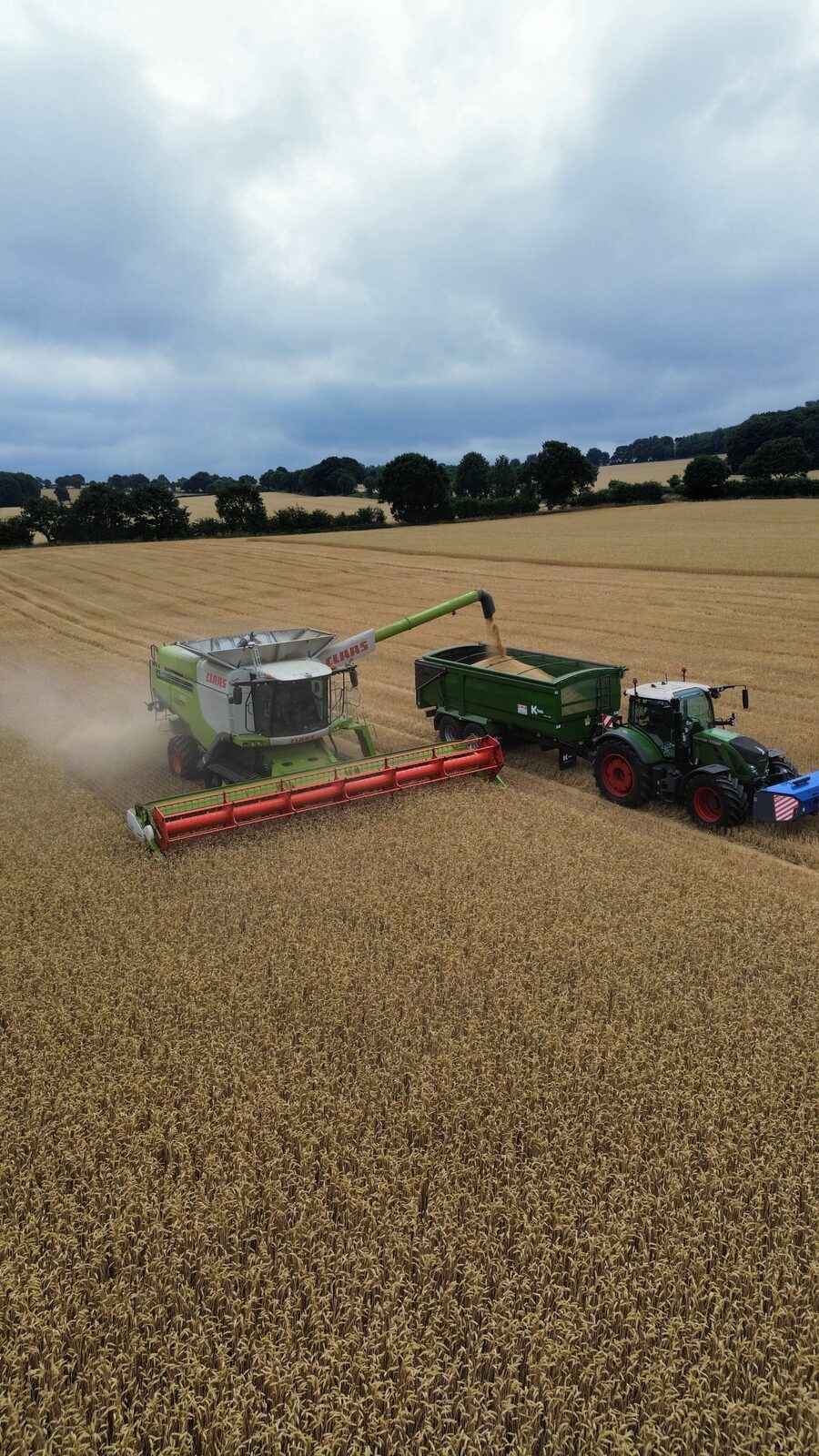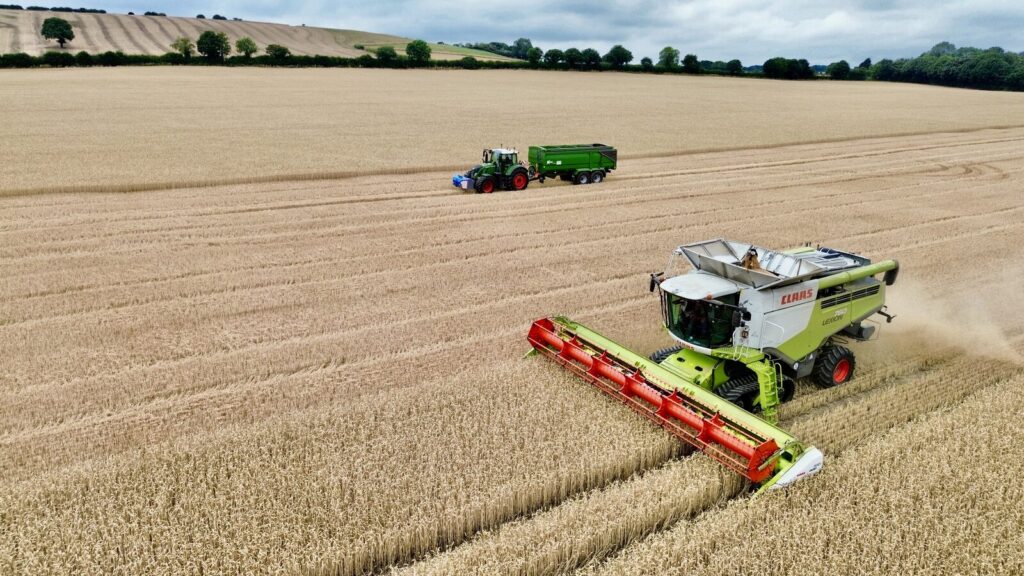
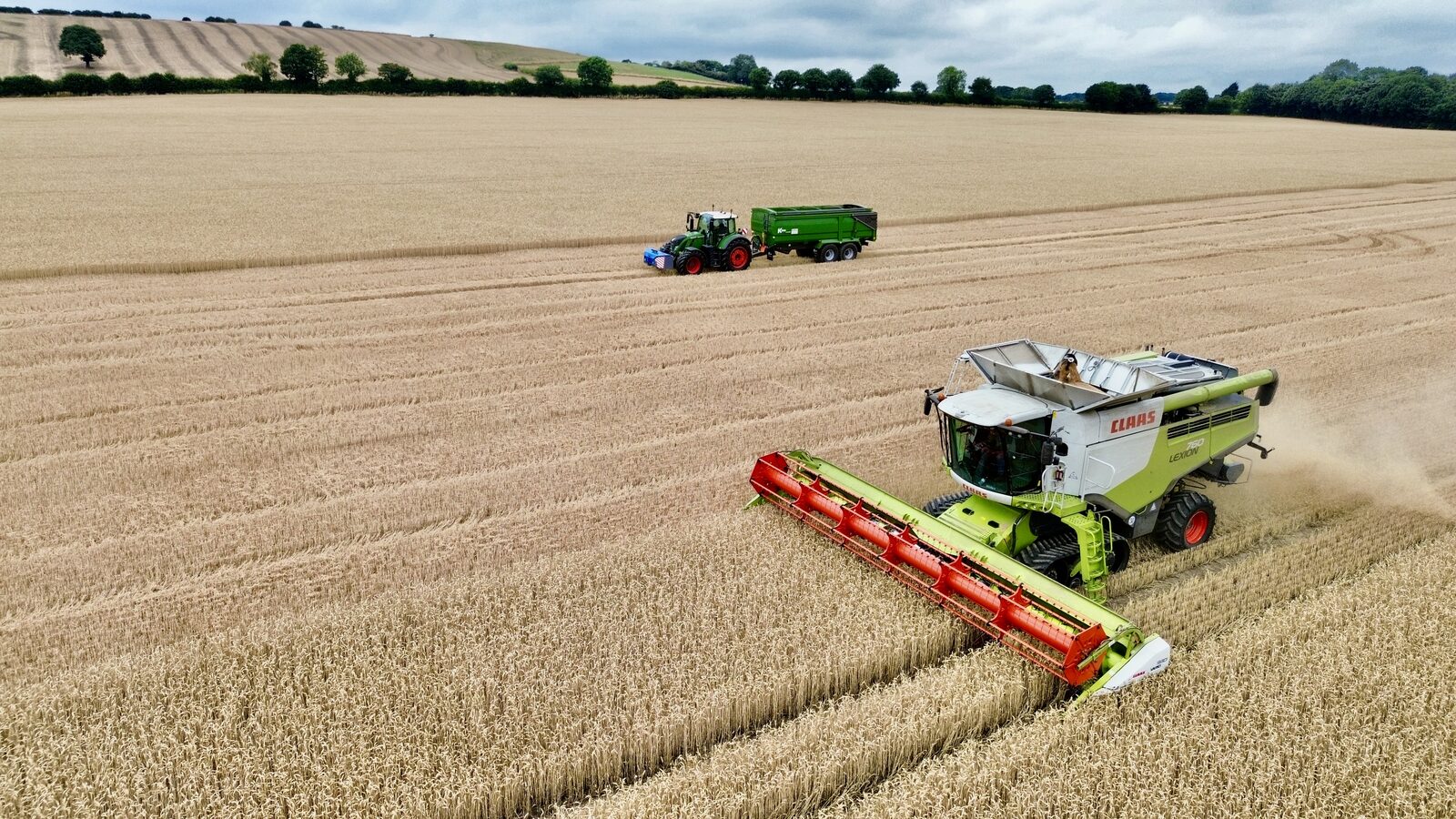
As we come to the back end of 2026, I can sum the season up in a few words: exceptional farming and growing conditions, exceptionally dry and exceptionally quick. It has been one of those years when the weather makes you question the normal rules. Harvest was so straightforward that, after two days of combining on Thursday and Friday, the combine driver and I stopped for the weekend. There was nothing in the forecast, the crop was ready, and there seemed little point in flogging ourselves through Saturday and Sunday. We came back on Monday morning and finished it. I cannot remember harvest ever feeling quite like that.
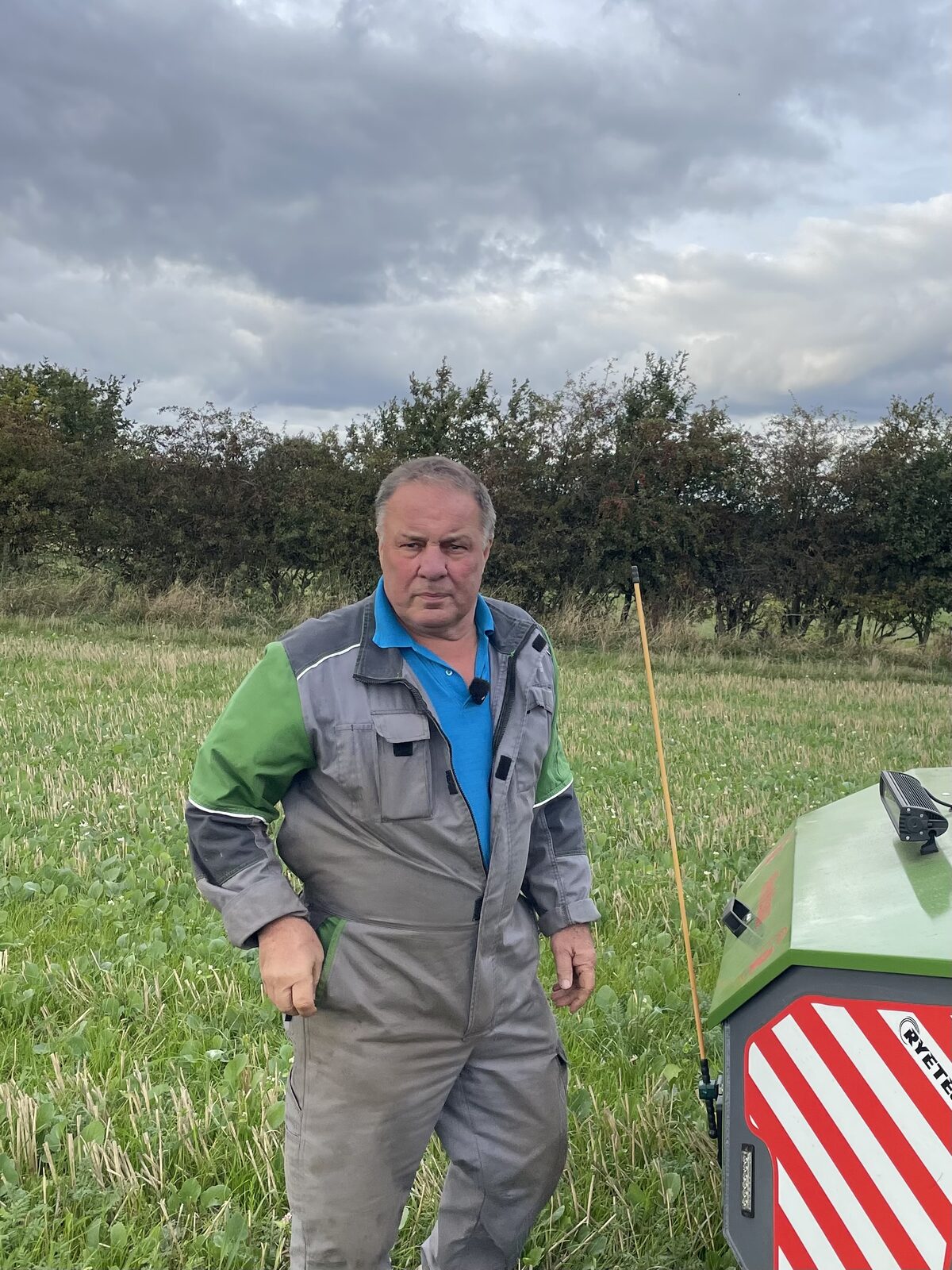
That does not mean it was a record-breaking year across the board. The farm wheat average came in at 7.6t/ha, only a few kilos ahead of the previous season. Yet there were sizeable patches where the combine was showing 11t/ha, even on our lighter land. Equally, a poor patch can soon pull an average down. My feeling is that the wheat hung on better than it might have done in such a dry season. Keeping roots in the ground, retaining straw and building organic matter have all helped the soil hold together when moisture became scarce.
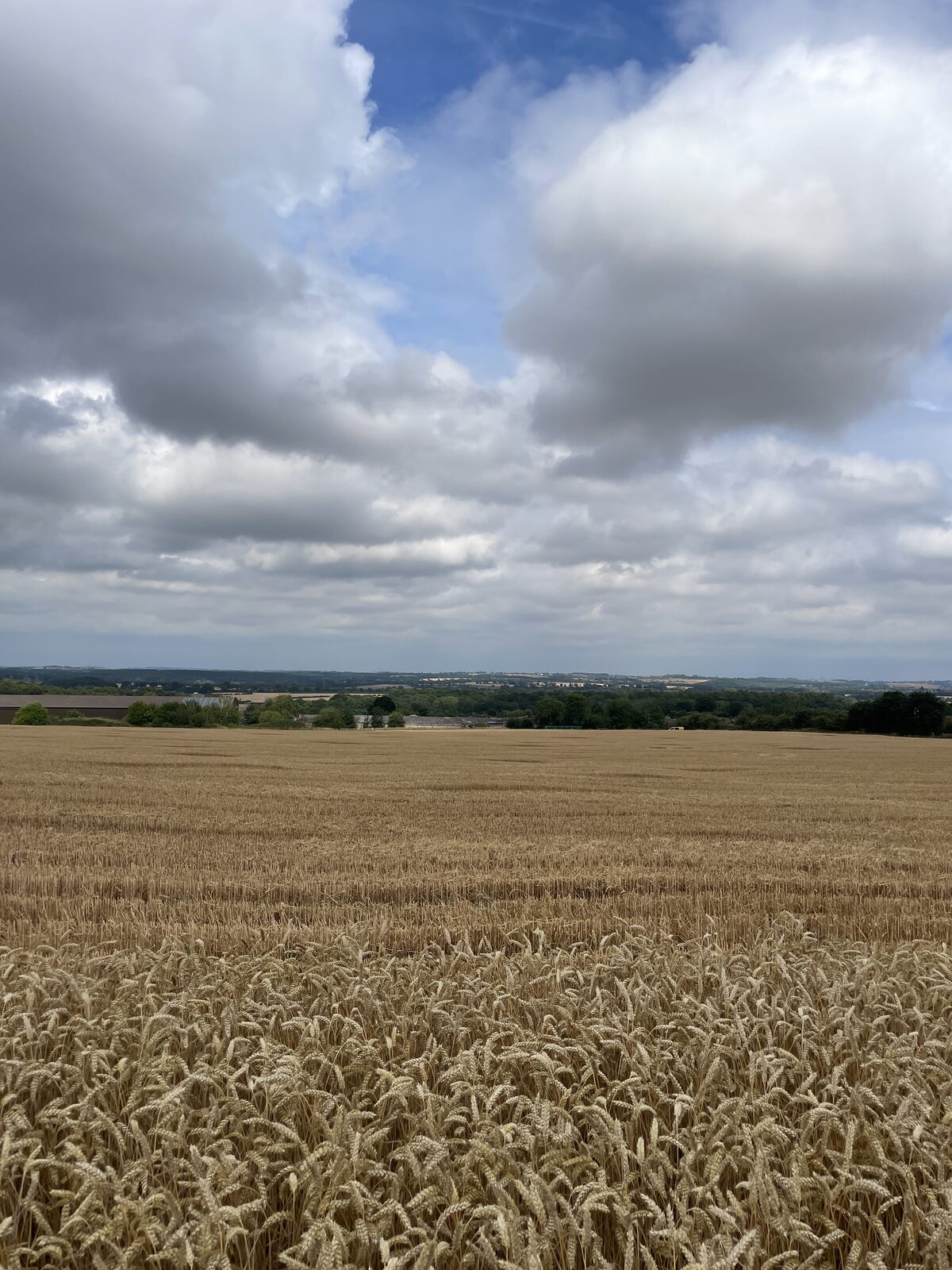
The spring oats were another encouraging part of the year. They yielded around 1.5t/acre, or a little over 3.4t/ha, made milling specification and found a home in Crewe. Traditionally, spring cropping on this ground has not been an easy option, so two reasonable oat crops have made me think more seriously about where they fit. The decision for next season is whether to grow all spring barley, all spring oats or split the acreage. At the moment, a half-and-half approach feels the sensible route.
The bigger lesson from 2026, though, is that a rotation needs to work on more than one level. When flea beetle finished our patience with oilseed rape three years ago, we moved into spring oats as a break crop. Oats have done a job, but they have not provided a true break in the way we need. They are still a cereal, which means we have not had the different chemistry required to stay on top of grass weeds. Over the past two years, the grass has become steadily more of an issue. As my agronomist John put it, we have to stop it.
That is why, by this autumn, there will be no winter wheat drilled on the farm for the coming crop. What had been spring oats is going into winter beans, while grassier ground is earmarked for spring barley. It is a deliberate reset rather than a rejection of wheat. I expect it to be the only year without it: beans will give us a proper break and wheat can return afterwards. It is a reminder that direct drilling does not remove the need for hard decisions. The drill may make establishment faster and cheaper, but it does not make grass weeds disappear.
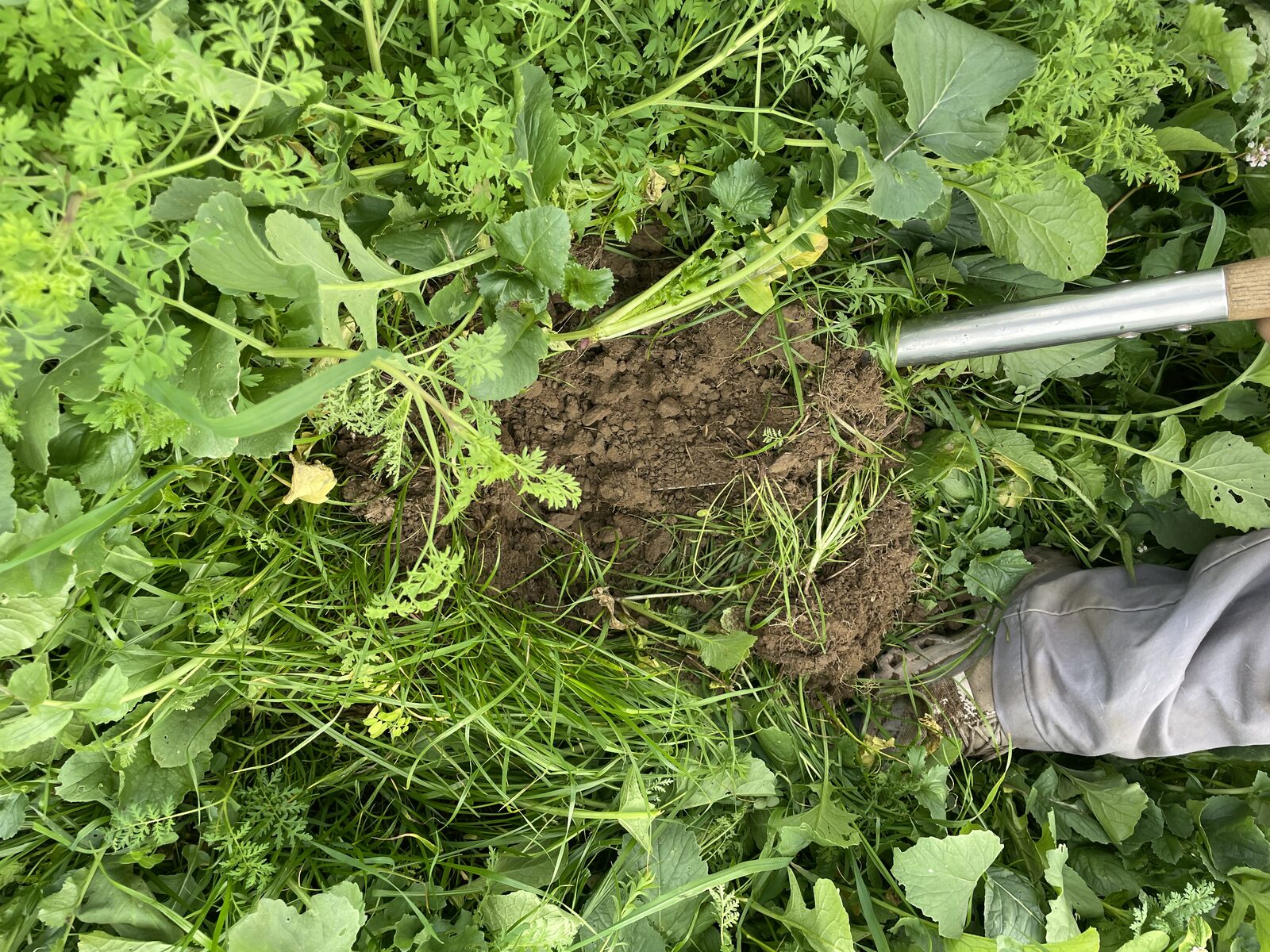
The direct-drill system itself is still doing what we hoped it would. This is our sixth year with the drill, and I still like what I see when we open the ground up. The tilth is different and the soil we drilled in this autumn was, frankly, “out of this world”. We are leaving the soil structure alone, holding on to residues and using plants to do more of the work. That matters in a dry year, but it matters just as much when the weather turns wet.
Cover crops are now central to that approach. This autumn, virtually every acre is carrying a cover. The mix includes black oats, buckwheat, radish, vetch and phacelia. It established surprisingly well after an August drilling, given how dry it had been. We increased the buckwheat share and radish rate this year: the radish is there for its big root, while the buckwheat has an added practical advantage. From a hectare grown for seed after the 2025 harvest, we saved 1,300kg of buckwheat, more than we expected, and that has taken some cost out of the 2026 mix.
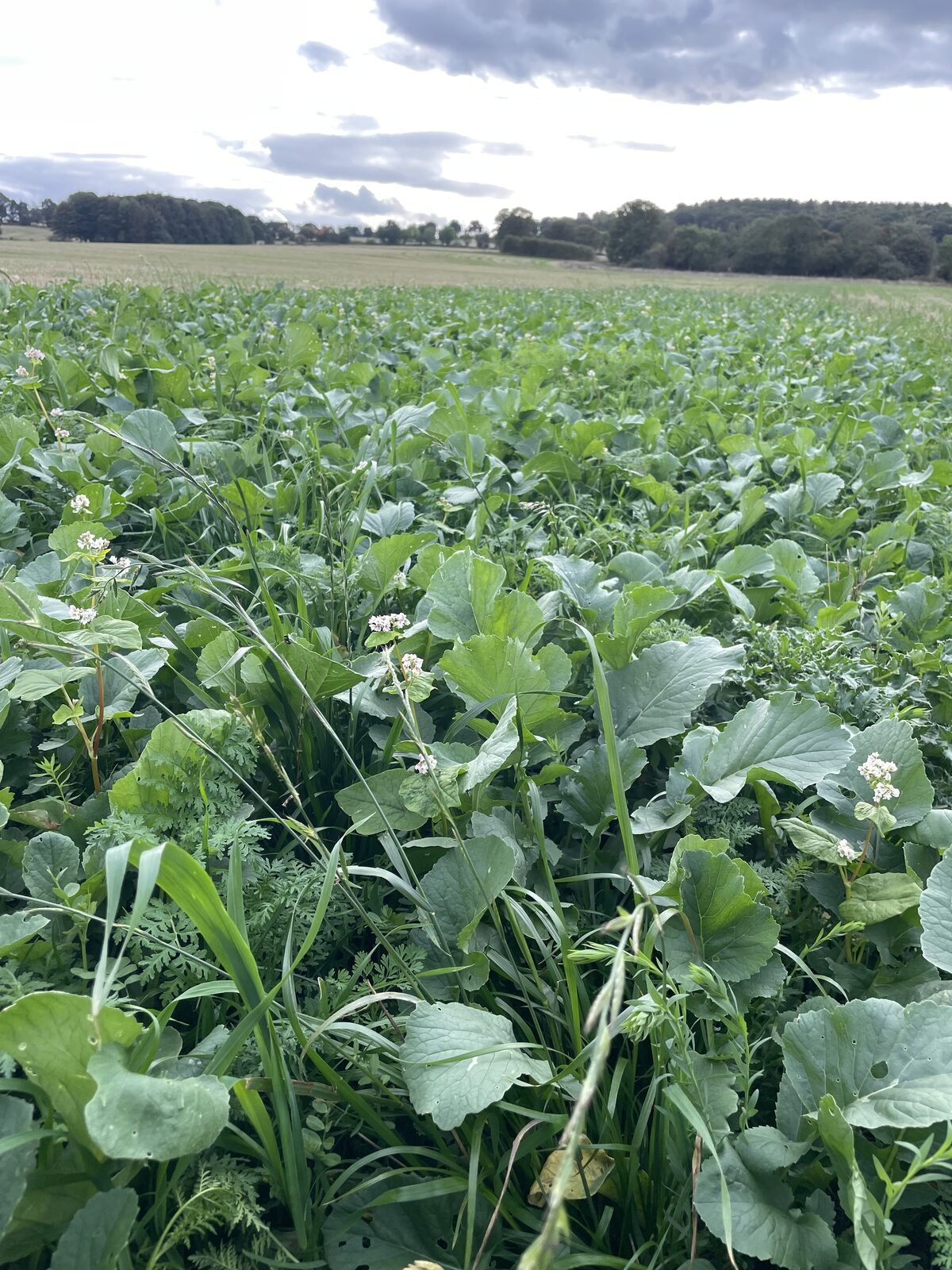
There is also evidence that the system is delivering beyond the crop. “The whole farm is growing cover crop, literally every square inch,” and we are seeing more wildlife as a result. Before the shooting season, we had three coveys of wild grey partridges, each close to 20 birds. In a season defined by dryness and speed, that is worth noticing. The job now is to use the lessons of 2026—especially on rotation and grass control—without losing the soil resilience and life we have worked hard to build.