
Written by Mark Hatton and Chris Fellows
We’ve been through the launches and the show stands of the drill makers in this issue to see what’s new for autumn 2026. Here’s what we found, from show launches, product news and what they’ve been posting from the field, so you know what’s worth going to look at.
Weaving Machinery
Weaving had the biggest drill of the year at Cereals: a 12m-trailed Sabre, two years in development and the first 12m machine the Evesham firm has built. It runs 48 tine coulters at 250mm (or 60 at 200mm), a 6,200-litre pressurised steel hopper split three ways, and metering units Weaving now makes itself from stainless plate. It’s £148,800, and Simon Weaving says a 12m GD disc drill follows in 2027. The first one has been out drilling in South Warwickshire this month.
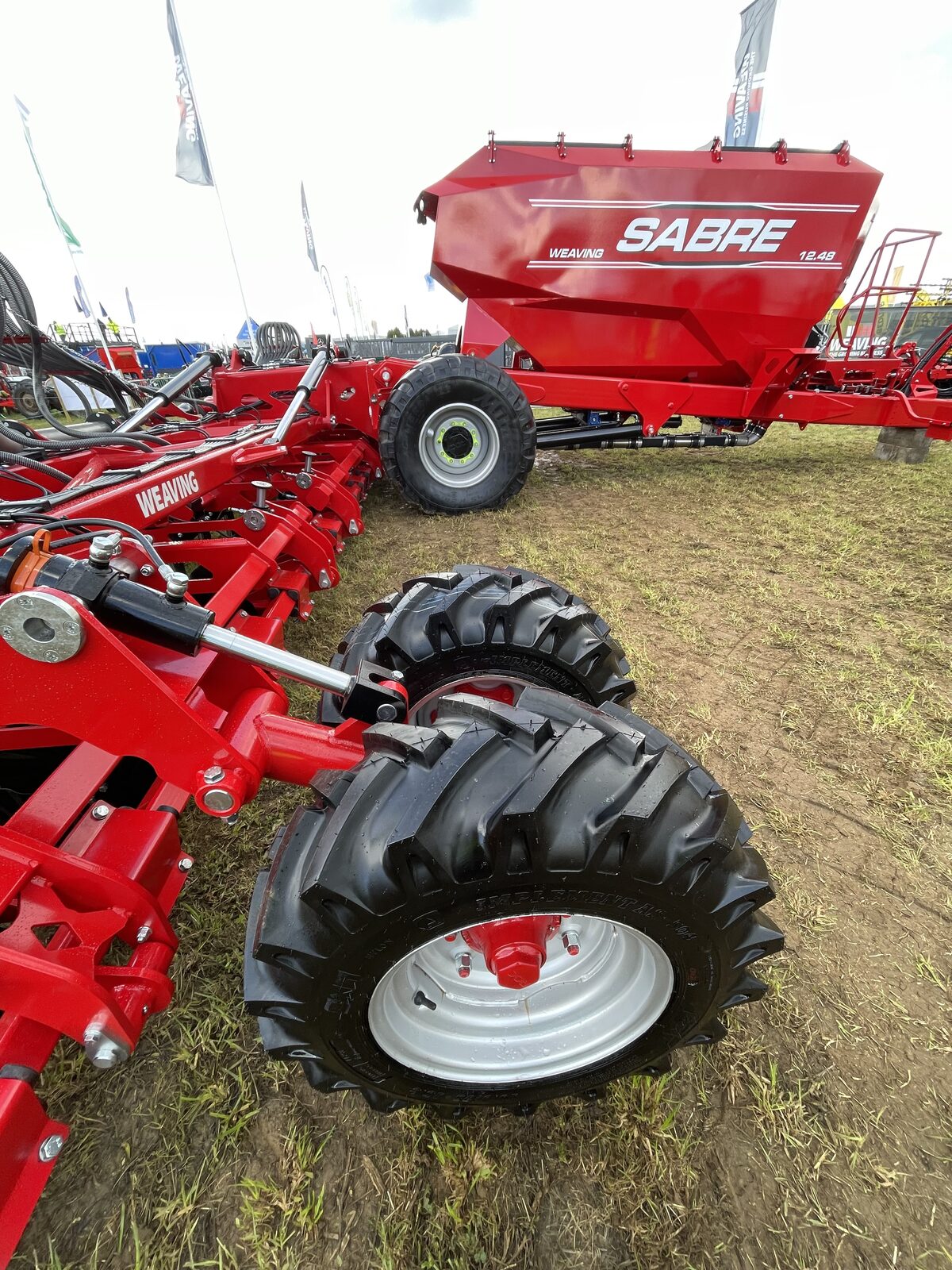
Further down the range there’s a trailing kit for the Fenix disc drill so a 100hp tractor can run it, a grain-and-fert Fenix that mixes both through one head, and an updated 3m Lynx entry-level direct drill in 32-row or 24-row form. Weaving was also on the demo field at Agrii’s Appleton Roebuck direct drilling day on 30 September, and the home farm at Chadbury, back in hand after 15 years of veg and biogas cropping, is putting the Sabre and GD through a remedial rotation of wheat and double cover crops, with open days to follow.
OPICO
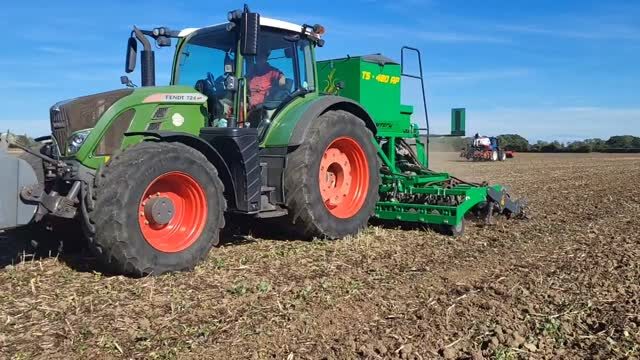
OPICO’s drill line-up has changed shape. Sky went back to its French owner at the end of 2024, and in its place OPICO took on the Simtech range late last year, building the T-slot coulter drills to order and putting spares on its MyOPICO web shop. At Groundswell, it showed the 3m TJG300 with a 1,000-litre Stocks steel hopper, which also carries it over the line for FETF funding, and Glenn Bootman had the 4.8m TS-480AP pneumatic drill working at Agrii’s Appleton Roebuck day near York in September.
For grassland and cover crops, there’s the HE-VA G-Drill, a disc drill for stitching grass, cereals and pulses into leys and stubbles on 400mm Vector discs with hydraulic weight transfer. It had its first working demo at ScotGrass in May, now with a 1,000-litre hopper option and twin electric fans good for 300kg/ha, and OPICO’s been out this autumn putting a herbal mix straight into permanent pasture with it. It qualified for the last FETF round at up to £15,067.
Väderstad
Väderstad used LAMMA in January to launch the next-generation Spirit 400-900 and the 12m Inspire 1200, both on the new TriForce II coulter suspension that holds coulter pressure over rough ground, with a new following harrow and hydraulic depth adjustment from the cab. Since June, the Generation II row unit for Tempo and Proceed has been available: a narrower furrow, depth and closing-wheel pressure set from the seat, and it retrofits to existing machines. On the cultivation side, the Carrier XL, XT and 925 gained a third disc axle front tool, putting 50% more discs in the ground for ultra-shallow work.
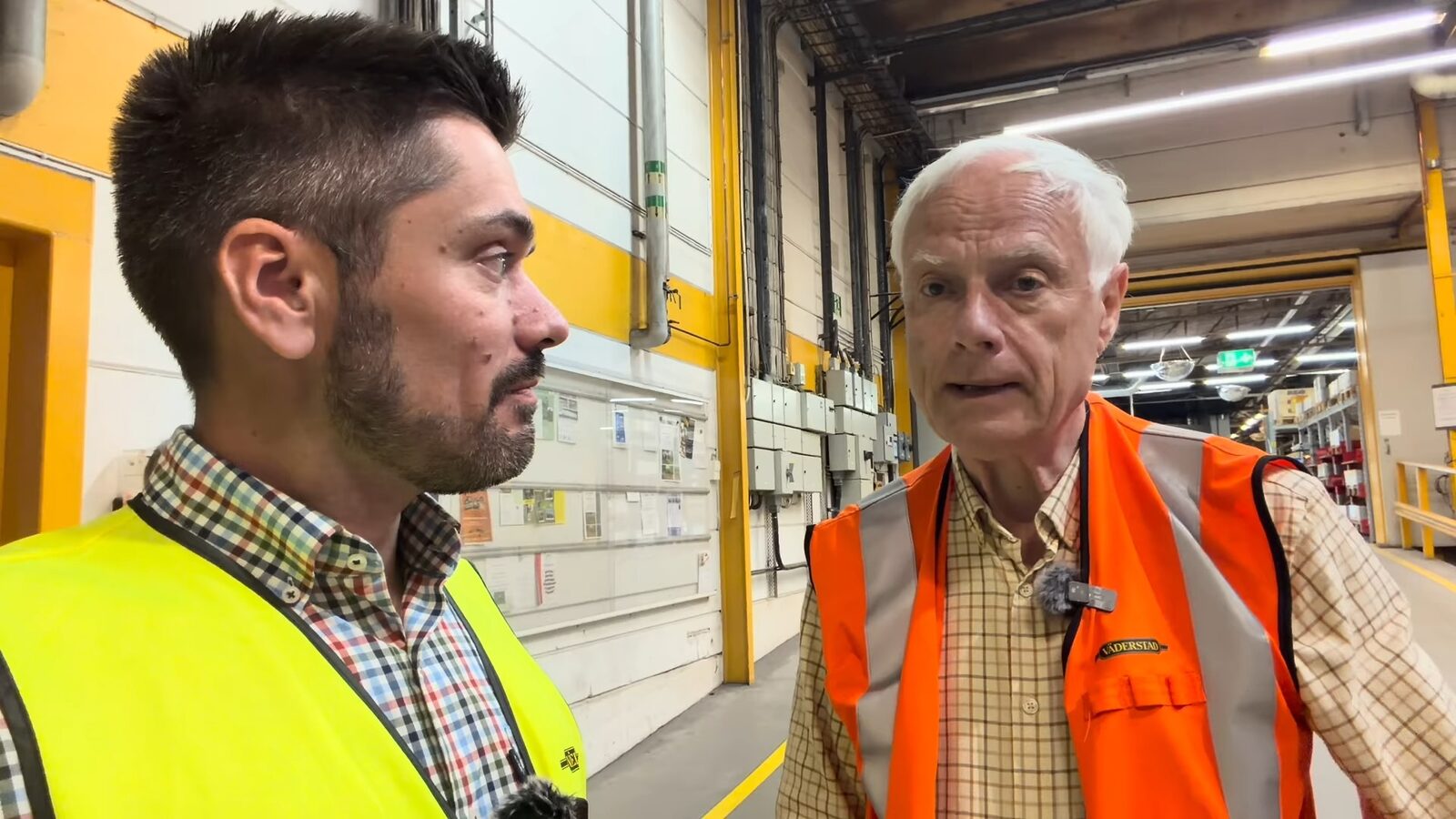
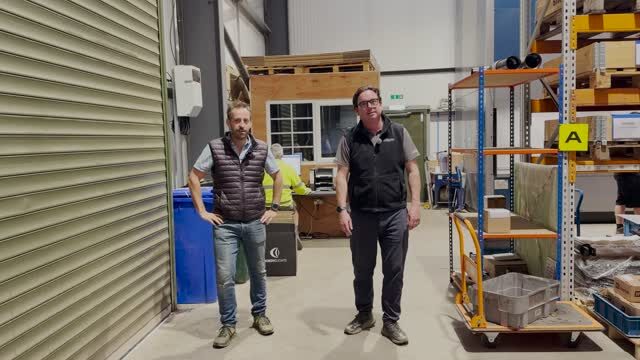
For a look behind the curtain, Joe Seels of Future Farmers went out to Väderstad in June with a bus of UK farmers and was the first person allowed to film inside the factory, with Crister Stark himself doing the tour. Building started there in 1972, and it’s now close to 100,000 square metres under roof, nearly 10ha, with about 1,050 people on site. The thing Crister is proudest of is the tube line: Väderstad is the biggest user of square tube in Sweden, all of it cut by laser straight from the CAD file, one shift ahead of when it’s needed, with two staff per shift keeping three or four lasers fed. The steel isn’t Swedish, mind; most of it comes from Finland. “Swedish steel bites,” Crister says, but nobody in Sweden makes square tube anymore.
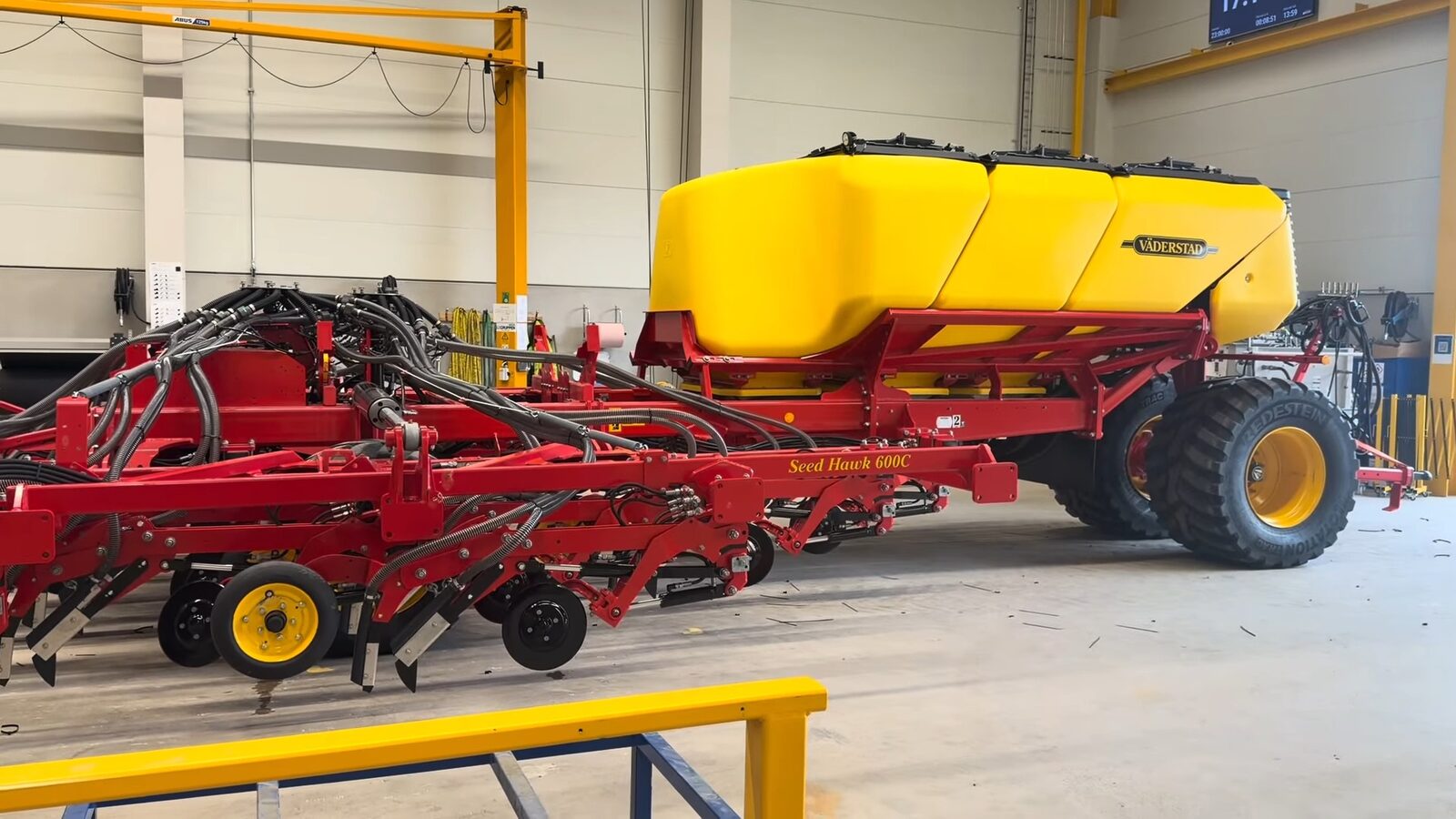
The welding is done by pairs of robots, one holding the part and one welding, which does away with the fixtures that used to pile up in storage. Some of the welding robots have been running for 20 to 25 years and only get replaced when spares run out, not because they’re worn. The Tempo hall is building the new Generation II row units, and a 12m Tempo L was going down the line while they watched. Machines leave either tractor-ready or knocked down for a container, and Crister told the group the next push is South America, with Brazil the big one.
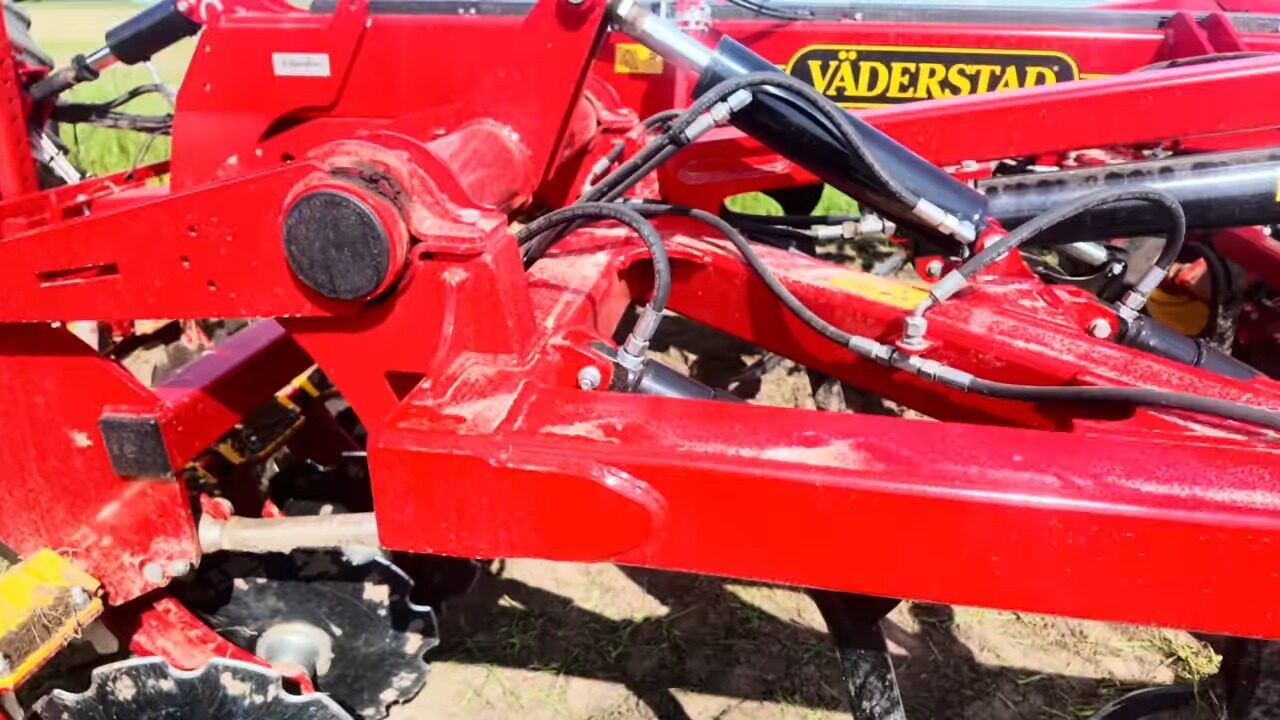
The second video is the field day, and it’s David Jones, 30 years on Väderstad kit, who does the talking. He’s run TopDowns for nearly 25 years, has a 2014 and a 2019 on the farm, and reckons the two of them will clear 250 to 300 acres a day at a steady 10 to 11kph when the season’s tight. He runs a 50mm Marathon point with an 80mm shin for mixing chopped straw. The new E-Services version sets discs, tines, levellers and packers independently from the iPad, with four presets and the option to run depth off a prescription map, so headlands and heavy patches get worked deeper without anyone leaving the cab. Also on show was the new Tempo T, a six or seven-row planter on a telescopic frame that changes row spacing, with GPS tramlining that lifts the row units instead of marking a line.
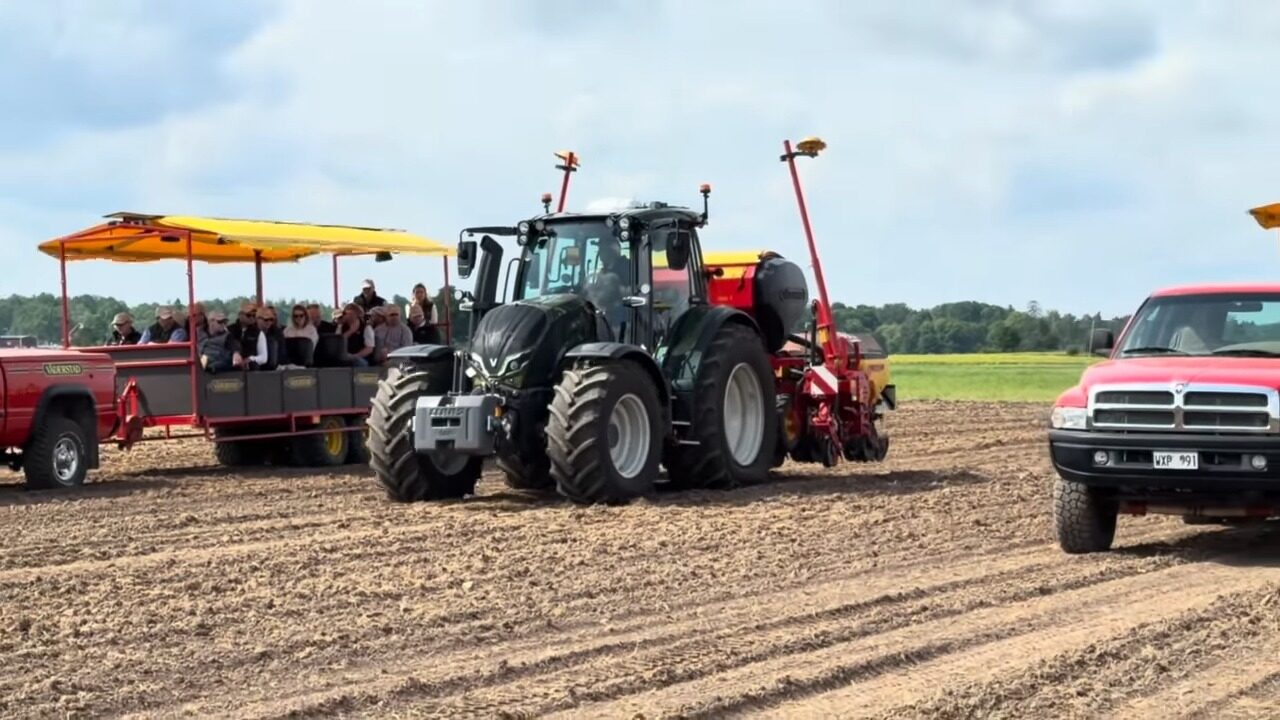
Virkar, from Samagri
Virkar, imported by Samagri in Hampshire, has had a busy year back home in Spain. The Dynamic range (4.5 to 7m, 5,300-litre hopper, on-the-move coulter pressure up to 270kg, with tine, disc or disc-and-coulter options) is now joined by the Lite D&C, a lightweight disc-and-coulter drill where the disc row can be lifted out to run the tines alone. It’s built to pair with the new Vaken front hopper: 2,300 litres, pressurised, two products, ISOBUS. At FIMA in February, Virkar showed the Tactic, the next step on from the big Ocean drills, and it picked up an innovation award at the Sant Josep fair in March. It’s worth asking Samagri which of these are heading for the UK.
Horizon Agriculture
Horizon’s Gen 3 DSX row units are 20kg lighter and about 40mm narrower than the old ones, so they’ll now go down to 150mm centres where the straw’s been baled. The range has filled out at both ends: new 3m and 4m rigid-frame trailed drills for 105 to 140hp tractors, good for up to 2.5ha an hour, and 7.5m, 8m and 9m versions of both the trailed DSX and mounted MDSX at the top.
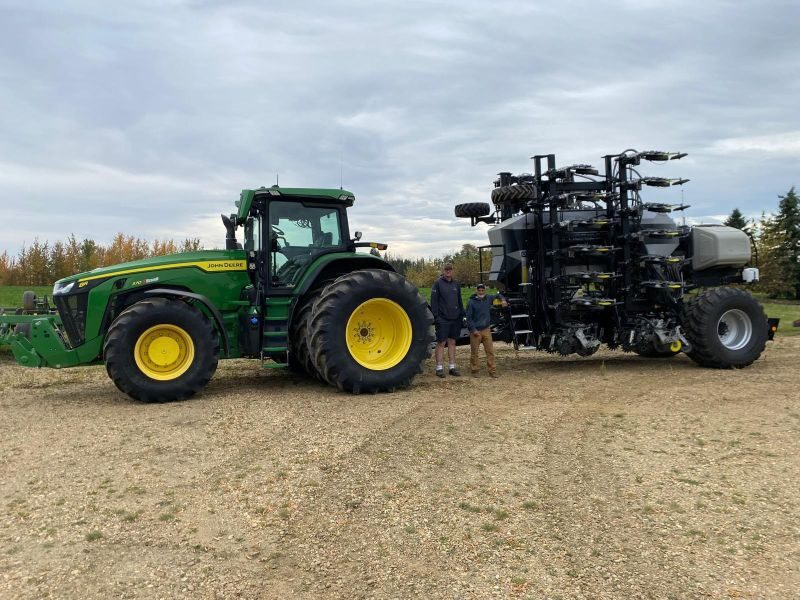
At Cereals, the Sutton St James firm showed its RotorFlex peristaltic pump for liquid fertiliser through the drill. A rotor squeezes a hose so the liquid only ever touches the inside of it: no valves, seals or filters, 12 to 24 outlets, up to 240 litres a minute, hoses swapped in the field in minutes, and it retrofits to any make of drill. The business behind it has grown fast: over 400 machines sold, two-thirds of them DSX, turnover heading for £12m, nearly 50 staff, a 26-acre site bought for a new factory by 2028, and sales into more than 35 countries. Closer to home, Russells had a 6m Gen 3 DSX on 18cm rows drilling winter wheat at 240kg/ha near Lincoln in mid-October.
Dale Drills
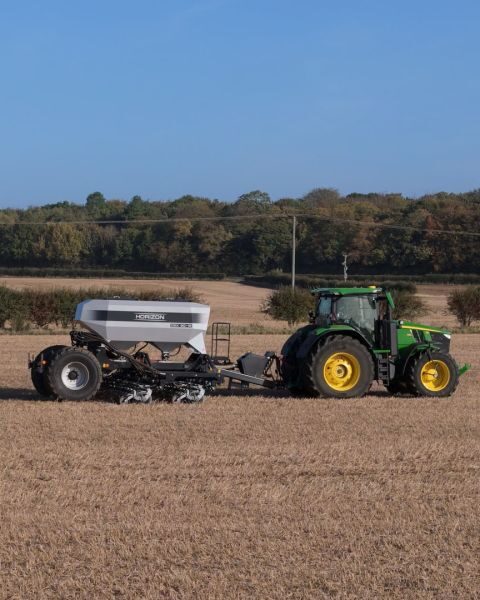
Dale Drills took the LAMMA 2026 Arable Establishment Innovation Gold Award for its E Drill-Control system, an electro-hydraulic set-up developed by engineer Tom Crosbie with UK suppliers. It puts every hydraulic function of the Eco drills on a screen and joystick in the cab, so tine down-pressure can be changed on the move as the ground changes across a field, instead of stopping to reset it.
Two more things worth knowing. In June, Dale became the only source of a tine holder for Bourgault’s VOS opener range, so an Eco can swap its standard 12mm tungsten tine for 12mm or 19mm narrow points, or 50, 75 and 100mm band openers, mainly for those on 25cm rows who want to band sow. And the Scorpion drilling assembly puts a single narrow tine, a single or double seed boot and twin Güttler closing wheels on 25cm centres for anyone planning to inter-row hoe, factory-fitted or retrofitted.
The pitch behind the advert is horsepower. At 20hp/m, a 6m Eco M runs on 150hp where a strip-till drill wants 300 to 350, and Dale reckons the £169,000 gap between those two tractors costs about £22,300 a year in finance and depreciation before you’ve drilled an acre. Tom Dale will be talking through 30 years of CTF and soil health at Harper Adams’ Soil and Water Conference on 9 December.
Vredo, from Campey
Campey Agriculture brought the new Vredo DZ5 Agri Overseeder to LAMMA and Cereals. It’s the first Vredo that does both jobs: 7.5cm rows for overseeding grass, switching hydraulically to 15cm for direct drilling into arable ground or bare land, with three separate metering systems so grass, herbs and legumes go in together in one pass. The DZ5 can also take front tools to scalp or clear residue ahead of the discs.
The 329 Agri now comes with a 1,050-litre hopper as standard, which meets the direct drill grant spec, and Vredo still quotes 96% germination from its double-disc slot.
WOX Agri Services
Wox marked 20 years in business with its first Wox Fest open day at its Northumberland base this year. On the drilling side, the Güttler SuperMaxx tine cultivator now has a proper tine-drill version using a coulter boot Wox designed itself, fed from any front tank at 12.5cm spacing, with the seeding kit coming off again when it’s back to cultivating. Wox took the SuperMaxx CULTI 5-row tined drill to Agrii’s Appleton Roebuck day with local dealer Peacock & Binnington, so it’s been seen working in Yorkshire stubbles this autumn.
On grassland, the 6m GreenMaster 600 Compact, developed with Güttler for the UK, has gained hydraulic adjustment of tine angle and roller from the seat. Geoffrey Wox’s case for the SuperMaxx is simple: a 5m machine on a 120hp tractor at around 5 litres/ha of diesel, whether it’s cultivating or drilling, for a fraction of the price of a dedicated drill.
Go and kick the tyres
If you’re weighing up a change for next autumn, most of these will be in the halls at LAMMA on 20 and 21 January, alongside CropTec at the NEC.