Increasing protozoa activity and enabling plants to efficiently utilise nutrients released by that protozoa development, is crucial for nutrient cycling and soil fertility, according to independent soil microbiology analysts.
“Protozoa are the key indicator species for a well-balanced, biologically healthy biome, which interacts beneficially with the crops being grown, and are essential for earthworms to flourish,” says Nick Cooper associate consultant with SoilBioLab, a soil and microbiology testing, analysis and advisory facility, based at Andover Hampshire.
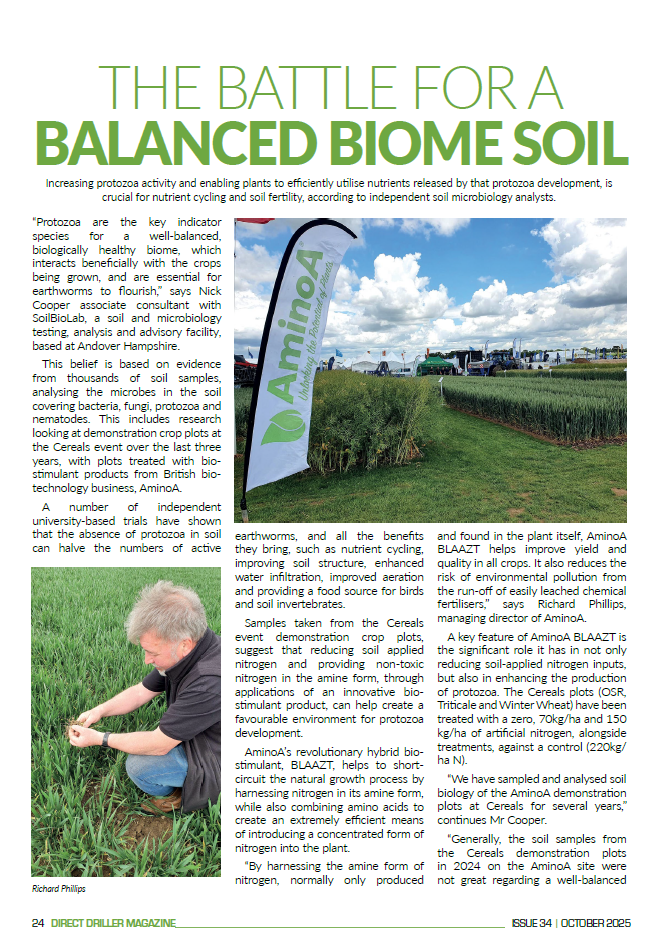
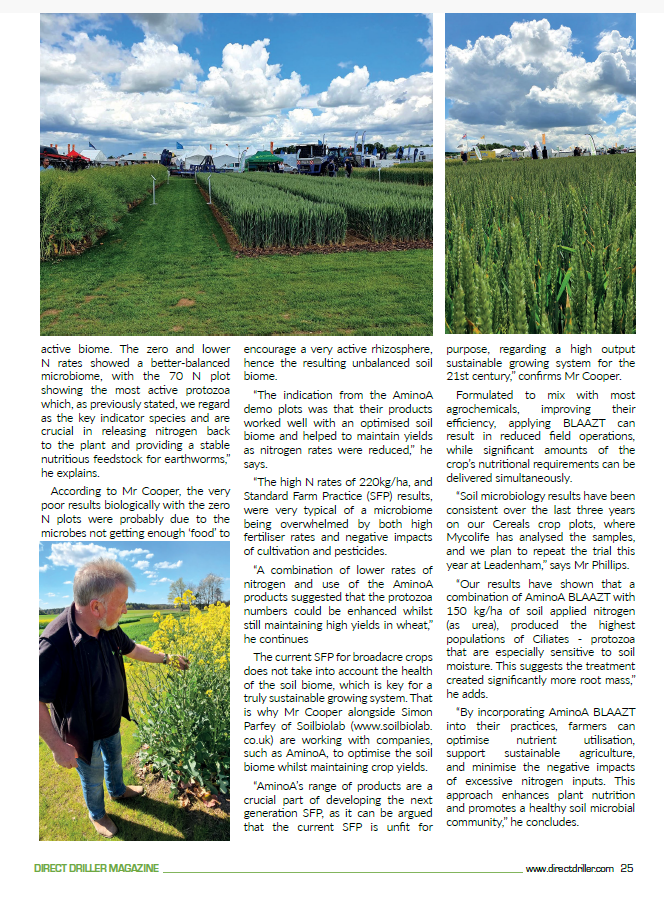
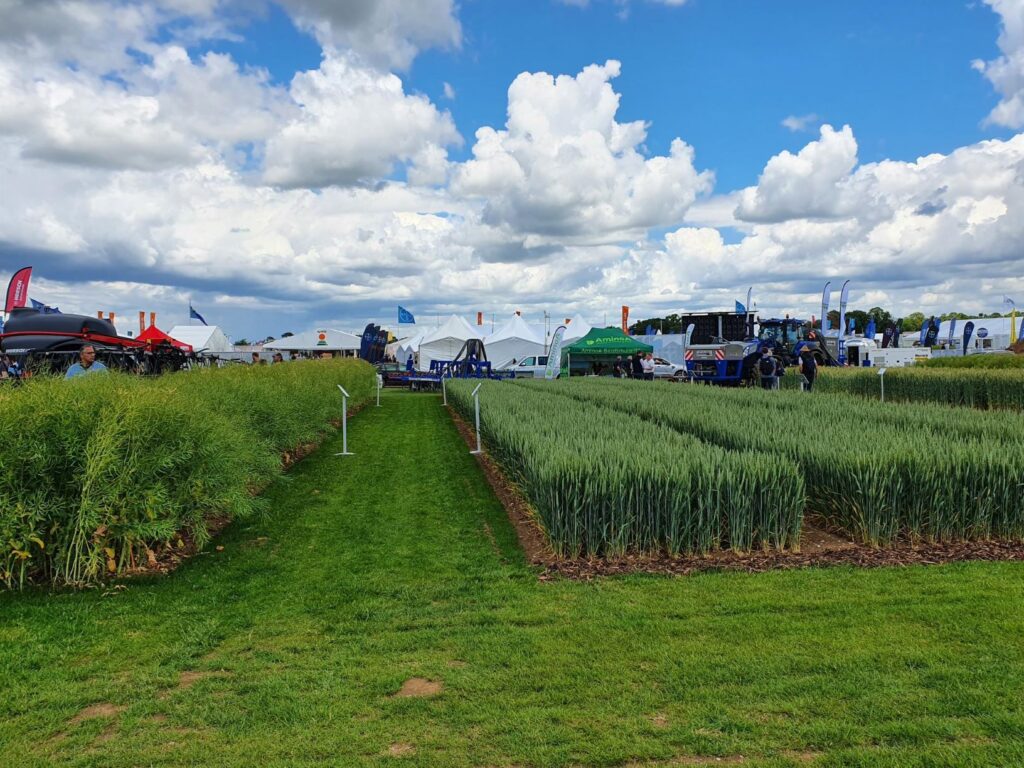
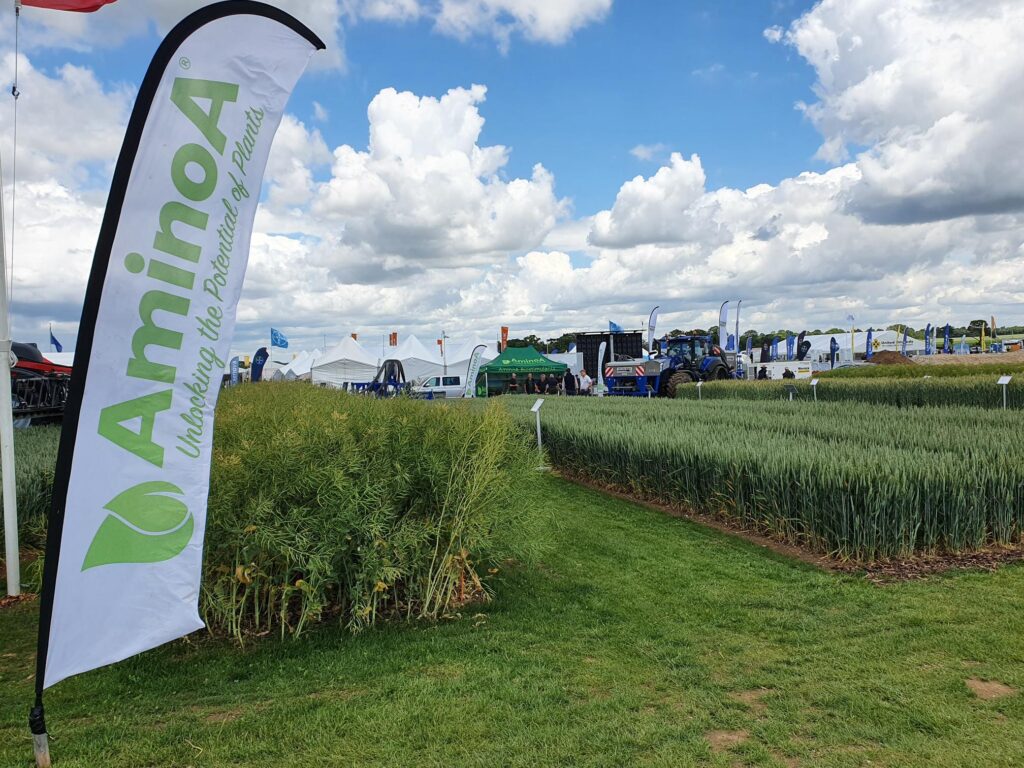
This belief is based on evidence from thousands of soil samples, analysing the microbes in the soil covering bacteria, fungi, protozoa and nematodes. This includes research looking at demonstration crop plots at the Cereals event over the last three years, with plots treated with bio-stimulant products from British bio-technology business, AminoA.
A number of independent university-based trials have shown that the absence of protozoa in soil can halve the numbers of active earthworms, and all the benefits they bring, such as nutrient cycling, improving soil structure, enhanced water infiltration, improved aeration and providing a food source for birds and soil invertebrates.
Samples taken from the Cereals event demonstration crop plots, suggest that reducing soil applied nitrogen and providing non-toxic nitrogen in the amine form, through applications of an innovative bio-stimulant product, can help create a favourable environment for protozoa development.
AminoA’s revolutionary hybrid bio-stimulant, AminoA BLAAZT, helps to short-circuit the natural growth process by harnessing nitrogen in its amine form, while also combining amino acids to create an extremely efficient means of introducing a concentrated form of nitrogen into the plant.
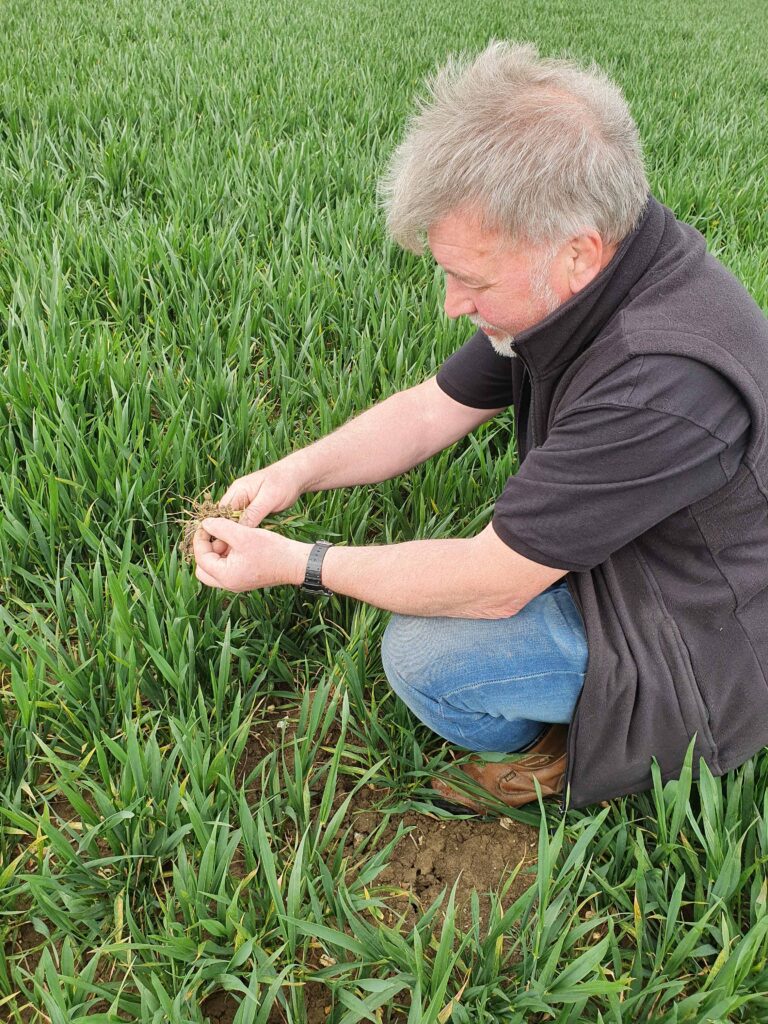
“By harnessing the amine form of nitrogen, normally only produced and found in the plant itself, AminoA BLAAZT helps improve yield and quality in all crops. It also reduces the risk of environmental pollution from the run-off of easily leached chemical fertilisers,” says Richard Phillips, managing director of AminoA.
A key feature of AminoA BLAAZT is the significant role it has in not only reducing soil-applied nitrogen inputs, but also in enhancing the production of protozoa. The Cereals plots (OSR, Triticale and Winter Wheat) have been treated with a zero, 70kg/ha and 150 kg/ha of artificial nitrogen, alongside AminoA BLAAZT treatments, against a control (220kg/ha N).
“We have sampled and analysed soil biology of the AminoA demonstration plots at Cereals for several years,” continues Mr Cooper.
“Generally, the soil samples from the Cereals demonstration plots in 2024 on the AminoA site were not great regarding a well-balanced active biome. The zero and lower N rates showed a better-balanced microbiome, with the 70 N plot showing the most active protozoa which, as previously stated, we regard as the key indicator species and are crucial in releasing nitrogen back to the plant and providing a stable nutritious feedstock for earthworms,” he explains.
According to Mr Cooper, the very poor results biologically with the zero N plots were probably due to the microbes not getting enough ‘food’ to encourage a very active rhizosphere, hence the resulting unbalanced soil biome.
“The indication from the AminoA demo plots was that their products worked well with an optimised soil biome and helped to maintain yields as nitrogen rates were reduced,” he says.
“The high N rates of 220kg/ha, and Standard Farm Practice (SFP) results, were very typical of a microbiome being overwhelmed by both high fertiliser rates and negative impacts of cultivation and pesticides.
“A combination of lower rates of nitrogen and use of the AminoA products suggested that the protozoa numbers could be enhanced whilst still maintaining high yields in wheat,” he continues
The current SFP for broadacre crops does not take into account the health of the soil biome, which is key for a truly sustainable growing system. That is why Mr Cooper alongside Simon Parfey of Soilbiolab (www.soilbiolab.co.uk) are working with companies, such as AminoA, to optimise the soil biome whilst maintaining crop yields.
“AminoA’s range of products are a crucial part of developing the next generation SFP, as it can be argued that the current SFP is unfit for purpose, regarding a high output sustainable growing system for the 21st century,” confirms Mr Cooper.
Formulated to mix with most agrochemicals, improving their efficiency, applying BLAAZT can result in reduced field operations, while significant amounts of the crop’s nutritional requirements can be delivered simultaneously.
“Soil microbiology results have been consistent over the last three years on our Cereals crop plots, where Mycolife has analysed the samples, and we plan to repeat the trial this year at Leadenham,” says Mr Phillips.
“Our results have shown that a combination of AminoA BLAAZT with 150 kg/ha of soil applied nitrogen (as urea), produced the highest populations of Ciliates – protozoa that are especially sensitive to soil moisture. This suggests the treatment created significantly more root mass,” he adds.
“By incorporating AminoA BLAAZT into their practices, farmers can optimise nutrient utilisation, support sustainable agriculture, and minimise the negative impacts of excessive nitrogen inputs. This approach enhances plant nutrition and promotes a healthy soil microbial community,” he concludes.