Phil Rowbottom, Woolley, West Yorkshire
A Five-Year Journey into Direct Drilling
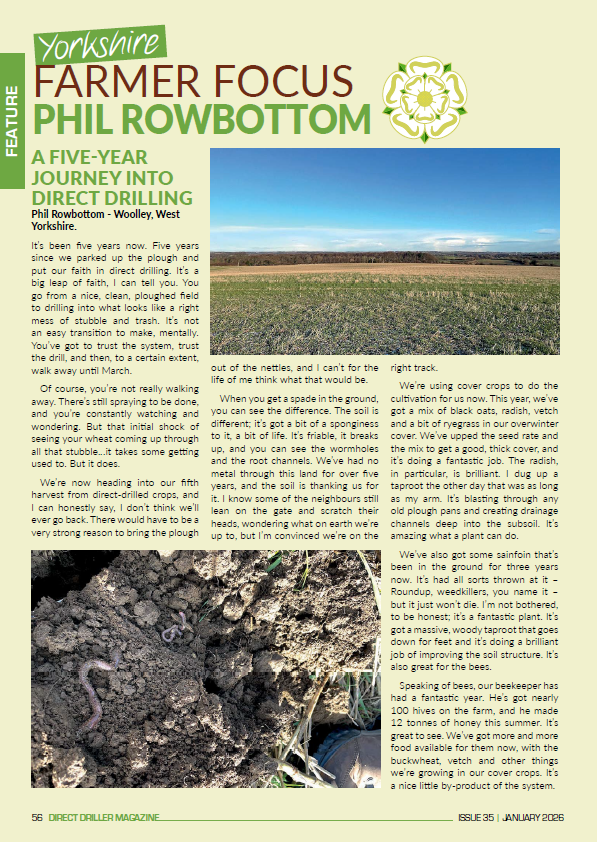
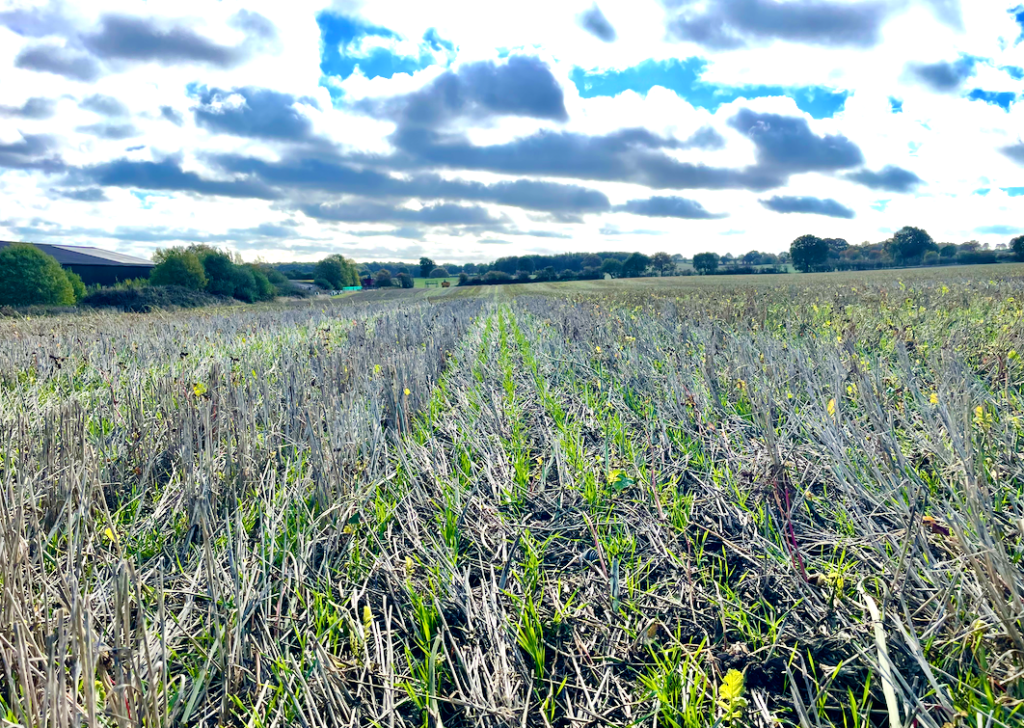
It’s been five years now. Five years since we parked up the plough and put our faith in direct drilling. It’s a big leap of faith, I can tell you. You go from a nice, clean, ploughed field to drilling into what looks like a right mess of stubble and trash. It’s not an easy transition to make, mentally. You’ve got to trust the system, trust the drill, and then, to a certain extent, walk away until March.
Of course, you’re not really walking away. There’s still spraying to be done, and you’re constantly watching and wondering. But that initial shock of seeing your wheat coming up through all that stubble…it takes some getting used to. But it does.
We’re now heading into our fifth harvest from direct-drilled crops, and I can honestly say, I don’t think we’ll ever go back. There would have to be a very strong reason to bring the plough out of the nettles, and I can’t for the life of me think what that would be.
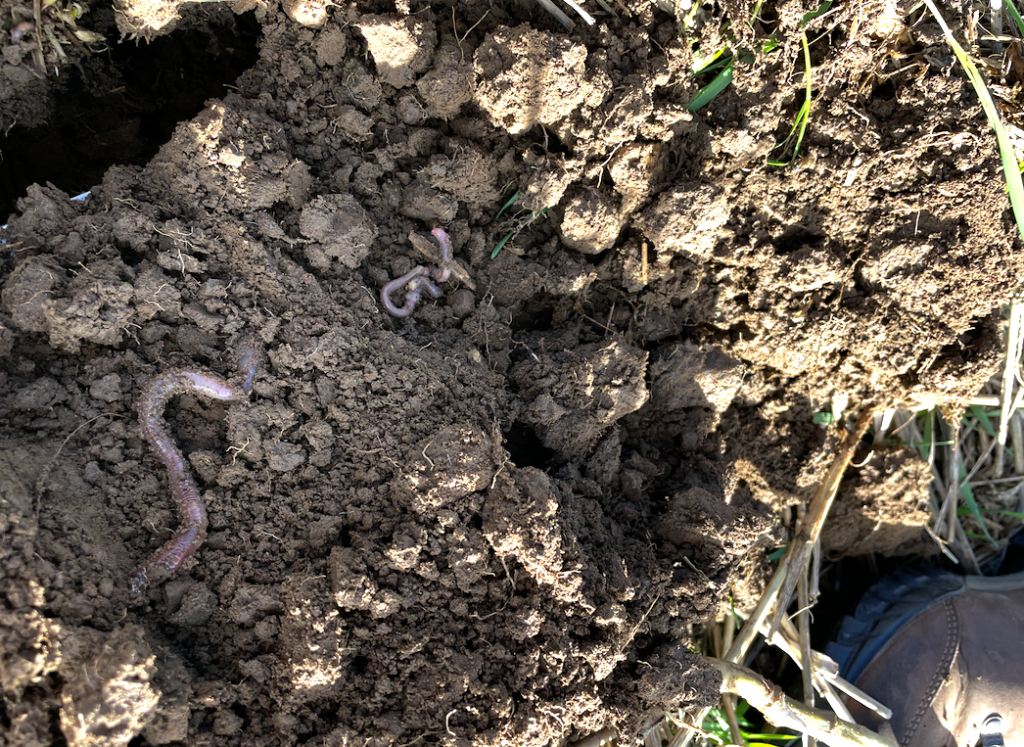
When you get a spade in the ground, you can see the difference. The soil is different; it’s got a bit of a sponginess to it, a bit of life. It’s friable, it breaks up, and you can see the wormholes and the root channels. We’ve had no metal through this land for over five years, and the soil is thanking us for it. I know some of the neighbours still lean on the gate and scratch their heads, wondering what on earth we’re up to, but I’m convinced we’re on the right track.

We’re using cover crops to do the cultivation for us now. This year, we’ve got a mix of black oats, radish, vetch and a bit of ryegrass in our overwinter cover. We’ve upped the seed rate and the mix to get a good, thick cover, and it’s doing a fantastic job. The radish, in particular, is brilliant. I dug up a taproot the other day that was as long as my arm. It’s blasting through any old plough pans and creating drainage channels deep into the subsoil. It’s amazing what a plant can do.
We’ve also got some sainfoin that’s been in the ground for three years now. It’s had all sorts thrown at it – Roundup, weedkillers, you name it – but it just won’t die. I’m not bothered, to be honest; it’s a fantastic plant. It’s got a massive, woody taproot that goes down for feet and it’s doing a brilliant job of improving the soil structure. It’s also great for the bees.
Speaking of bees, our beekeeper has had a fantastic year. He’s got nearly 100 hives on the farm, and he made 12 tonnes of honey this summer. It’s great to see. We’ve got more and more food available for them now, with the buckwheat, vetch and other things we’re growing in our cover crops. It’s a nice little by-product of the system.
One thing we’re not growing this year is oilseed rape. There’s hardly any rape grown in the area now. Ten years ago, we were putting 5,000 tonnes of it into the store. This year, it was 300 tonnes. The flea beetle and the loss of neonicotinoids have just made it an impossible crop to grow. It’s a shame, but we’ve had to adapt.
We’re using the Sustainable Farming Incentive (SFI) to help us with the transition. We’re in a scheme that pays us for using cover crops and for having a certain amount of our land in bird-friendly habitats. It’s helping to bridge the gap and it’s encouraging us to do the right thing. We’re seeing more skylarks on the farm now than I’ve seen in years, which is fantastic. It’s a sign that we’re doing something right.
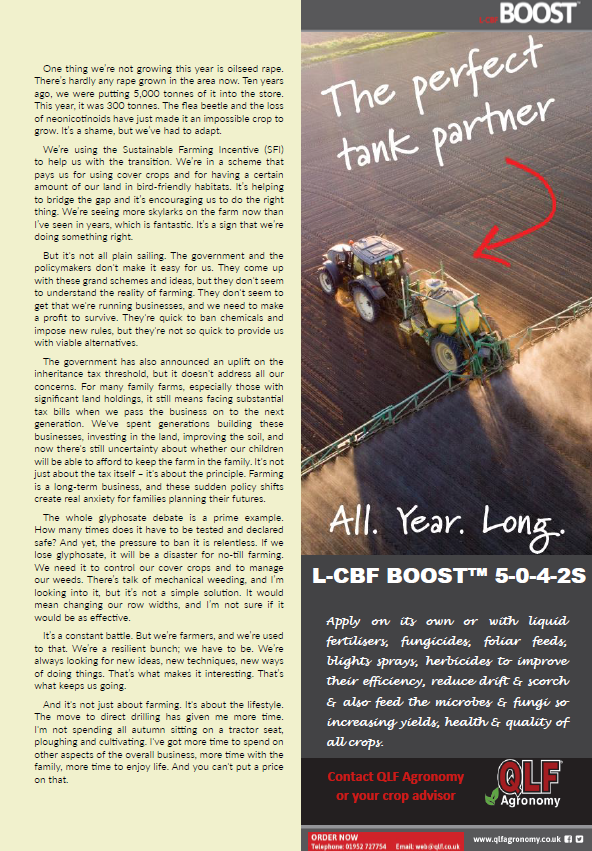
But it’s not all plain sailing. The government and the policymakers don’t make it easy for us. They come up with these grand schemes and ideas, but they don’t seem to understand the reality of farming. They don’t seem to get that we’re running businesses, and we need to make a profit to survive. They’re quick to ban chemicals and impose new rules, but they’re not so quick to provide us with viable alternatives.
The government has also announced an uplift on the inheritance tax threshold, but it doesn’t address all our concerns. For many family farms, especially those with significant land holdings, it still means facing substantial tax bills when we pass the business on to the next generation. We’ve spent generations building these businesses, investing in the land, improving the soil, and now there’s still uncertainty about whether our children will be able to afford to keep the farm in the family. It’s not just about the tax itself – it’s about the principle. Farming is a long-term business, and these sudden policy shifts create real anxiety for families planning their futures.
The whole glyphosate debate is a prime example. How many times does it have to be tested and declared safe? And yet, the pressure to ban it is relentless. If we lose glyphosate, it will be a disaster for no-till farming. We need it to control our cover crops and to manage our weeds. There’s talk of mechanical weeding, and I’m looking into it, but it’s not a simple solution. It would mean changing our row widths, and I’m not sure if it would be as effective.
It’s a constant battle. But we’re farmers, and we’re used to that. We’re a resilient bunch; we have to be. We’re always looking for new ideas, new techniques, new ways of doing things. That’s what makes it interesting. That’s what keeps us going.
And it’s not just about farming. It’s about the lifestyle. The move to direct drilling has given me more time. I’m not spending all autumn sitting on a tractor seat, ploughing and cultivating. I’ve got more time to spend on other aspects of the overall business, more time with the family, more time to enjoy life. And you can’t put a price on that.