Written by Louise Penn from Ceres Rural
Setting Goals for 2026
For the first time in what feels like a long while, I am genuinely looking forward to the spring agronomy season ahead.
The last few years have been tough. Awfully wet winters have led to poor establishment, delayed drilling, crop walking running right into December – and in some cases January – and crops that, frankly, have been pretty uninspiring to look at. By the time we reached the New Year, both farmers and agronomists were exhausted. There was little time to recharge, reflect on the season just gone, or properly plan for the one ahead.
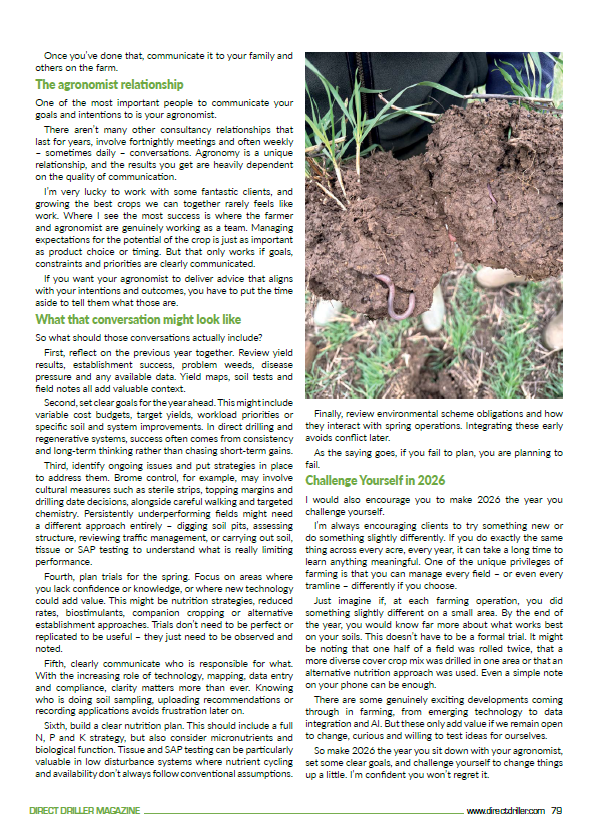
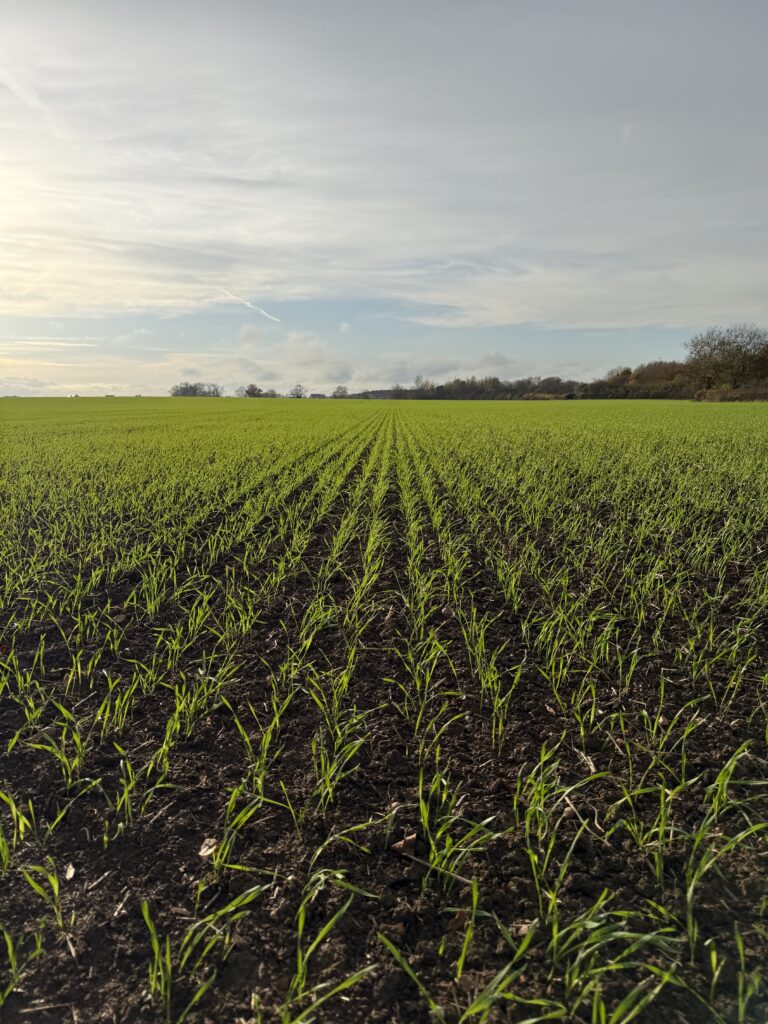
This winter feels different. Conditions have been kinder, autumns more manageable, and crops – particularly those established early with minimal disturbance – are looking more settled. There is a sense of cautious optimism creeping back in, and that makes this a good moment to pause and think intentionally about the year ahead.
The Value of the New Year
The New Year is a big thing for me personally. I see it as an opportunity to reset, reflect and set some goals. That might involve a few mind maps, lists, or even the odd vision board as I set my intentions for 2026. While that may sound like more of a “girl thing”, and I appreciate that many farmers see their year as running from harvest to harvest rather than January to December, Christmas is often the only real breathing space in the farming calendar.
It’s the one time of year when there is a chance to step back, think (or overthink), and ask some bigger questions.
So I challenge you – whether you are a farmer, agronomist or consultant – to put aside just half an hour. Put pen to paper. Farming life moves in cycles and the seasons roll by incredibly quickly. That makes it even more important to be intentional with your time, your decisions and your direction.
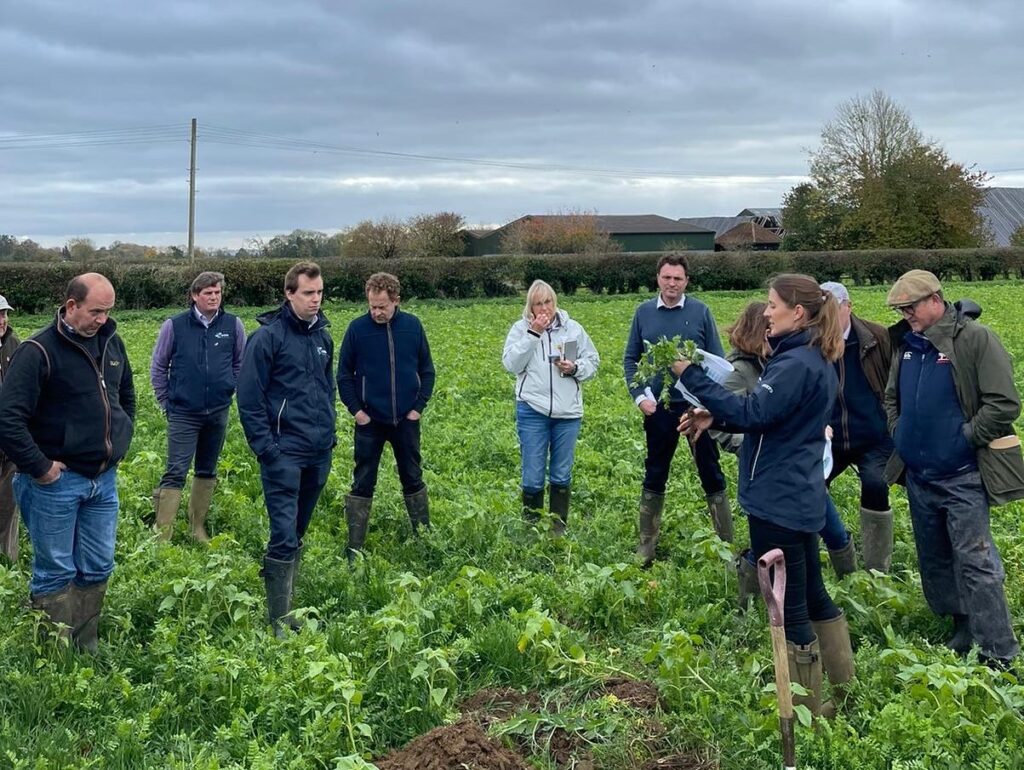
Start by reflecting on the past year. What went well? What didn’t? What would you repeat, and what would you do differently? Don’t beat yourself up about the things that were outside of your control – the weather and the wheat price will always have a say. But there is value in honest reflection.
Next, set some goals for the year ahead. I like to cover all aspects of life – career, business, health and personal development – but for farming businesses this might include financial targets, workload balance, soil improvement goals or furthering your knowledge on a specific subject. Make them SMART: specific, measurable, achievable, relevant and time-bound.
(To improve my knowledge of regenerative agriculture I will attend a farm walk or webinar once a month, and aim to host a farm walk on my farm by the end of the year.)
It’s also important to accept that we can’t do everything at once. Most of us realistically have capacity for two or three big focuses in any one year. Identify what really matters. That might be finally sorting the yard, tightening up cost control, improving soil structure on your weakest fields, or starting the diversification idea you’ve been talking about for years.
Once you’ve done that, communicate it to your family and others of the farm.
The Agronomist Relationship
One of the most important people to communicate your goals and intentions to is your agronomist.
There aren’t many other consultancy relationships that last for years, involve fortnightly meetings, and often weekly – sometimes daily – conversations. Agronomy is a unique relationship, and the results you get are heavily dependent on the quality of communication.
I’m very lucky to work with some fantastic clients, and growing the best crops we can together rarely feels like work. Where I see the most success is where the farmer and agronomist are genuinely working as a team. Managing expectations for the potential of the crop is just as important as product choice or timing. But that only works if goals, constraints and priorities are clearly communicated.
If you want your agronomist to deliver advice that aligns with your intentions and outcomes, you have to put the time aside to tell them what those are.
What That Conversation Might Look Like
So what should those conversations actually include?
First, reflect on the previous year together. Review yield results, establishment success, problem weeds, disease pressure and any available data. Yield maps, soil tests and field notes all add valuable context.
Second, set clear goals for the year ahead. This might include variable cost budgets, target yields, workload priorities, or specific soil and system improvements. In direct drilling and regenerative systems, success often comes from consistency and long-term thinking rather than chasing short-term gains.
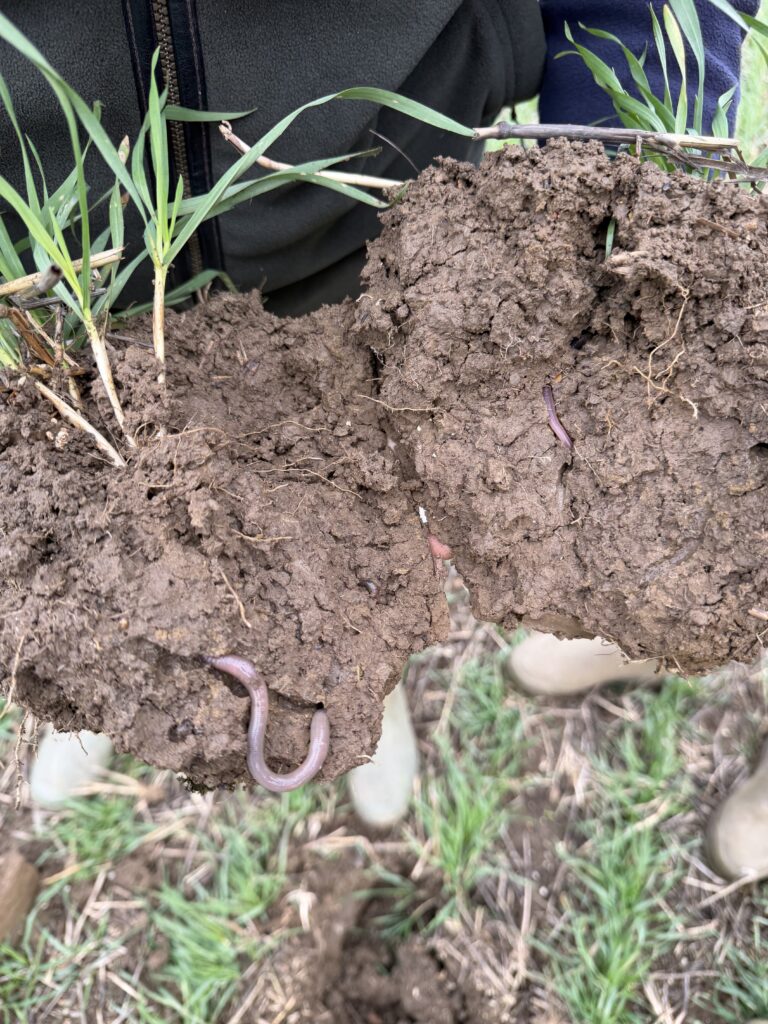
Third, identify ongoing issues and put strategies in place to address them. Brome control, for example, may involve cultural measures such as sterile strips, topping margins and drilling date decisions, alongside careful walking and targeted chemistry. Persistently underperforming fields might need a different approach entirely – digging soil pits, assessing structure, reviewing traffic management, or carrying out soil, tissue or SAP testing to understand what is really limiting performance.
Fourth, plan trials for the spring. Focus on areas where you lack confidence or knowledge, or where new technology could add value. This might be nutrition strategies, reduced rates, biostimulants, companion cropping or alternative establishment approaches. Trials don’t need to be perfect or replicated to be useful – they just need to be observed and noted.
Fifth, clearly communicate who is responsible for what. With the increasing role of technology, mapping, data entry and compliance, clarity matters more than ever. Knowing who is doing soil sampling, uploading recommendations or recording applications avoids frustration later on.
Sixth, build a clear nutrition plan. This should include a full N, P and K strategy, but also consider micronutrients and biological function. Tissue and SAP testing can be particularly valuable in low disturbance systems where nutrient cycling and availability don’t always follow conventional assumptions.
Finally, review environmental scheme obligations and how they interact with spring operations. Integrating these early avoids conflict later.
As the saying goes, if you fail to plan, you are planning to fail.
Challenge Yourself in 2026
I would also encourage you to make 2026 the year you challenge yourself.
I’m always encouraging clients to try something new or do something slightly differently. If you do exactly the same thing across every acre, every year, it can take a long time to learn anything meaningful. One of the unique privileges of farming is that you can manage every field – or even every tramline – differently if you choose.
Just imagine if, at each farming operation, you did something slightly different on a small area. By the end of the year, you would know far more about what works best on your soils. This doesn’t have to be a formal trial. It might be noting that one half of a field was rolled twice, or that a more diverse cover crop mix was drilled in one area, or that an alternative nutrition approach was used. Even a simple note on your phone can be enough.
There are some genuinely exciting developments coming through in farming, from emerging technology to data integration and AI. But these only add value if we remain open to change, curious, and willing to test ideas for ourselves.
So make 2026 the year you sit down with your agronomist, set some clear goals, and challenge yourself to change things up a little. I’m confident you won’t regret it.