What we know about the seasons is that there is no “normal” year. Last year saw droughts in many areas, causing forage shortages that have challenged production and affected the bottom line. Traditional cropping systems of ryegrass, maize and whole crop are not meeting the dry matter yields needed to sustain essential forage supplies, which is crucial for achieving the best margin over purchased feeds. While risks can be minimised by planning for our mainstay crops, it’s time to increase the variety of species being grown across the farming platform. Homegrown energy and protein are the most economical way to feed livestock.
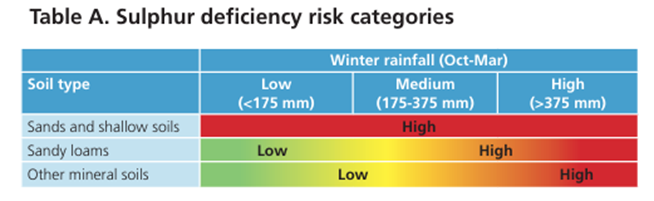
Protein in silage has been reducing over the years, largely due to a reduction in sulphur in the air, thanks to cleaner air. Sulphur is essential to facilitate the plant’s utilisation of nitrogen into protein and amino acids. It is also important in legumes, such as clover, to help with nitrogen fixation. In 2025, Mole Valley Farmers conducted trials using SAP analysis in grassland and found, particularly in newer leys, that the crop was being underfed in both nitrogen and sulphur. This leads to the crops running out of steam before harvesting, and going into crop stress, which can result in poor quality and yield. This risk is even higher in sandy soil and multi-cut systems.
Plant breeding has progressed to provide the opportunity for higher yields. Plan nutrient applications in advance. If the opportunity to split applications arises in early spring, applying a smaller amount of nitrogen and sulphur to wake the crop up, followed by a second, larger application, will provide dividends in yield, mitigating the overall cost of application. With varieties bred to yield more and achieve better quality, the nutrition must be adapted to match. Focusing on crop nutrition for your high-yielding newer leys will gain extra milk/meat with very little extra effort. Ensuring that clovers are included at the very minimum will improve crop diversity, provide nitrogen to the grass sward as the season progresses and deliver quality protein in silage to help reduce the amount of bought-in proteins required to balance the animals’ diet. If planting whole crop, add legumes such as peas, beans or lupins, or undersow with a clover ley, providing a complete package of energy and protein in one feed. Choose a clean field and be prepared for a few weeds – it’s not the cleanup programme for a weedy area. Working through weed issues as they arise rather than delaying will reduce future challenges and allow flexibility in the rotation. Weeds are symptomatic of issues with soil health and/or nutritional imbalances.

Increasing homegrown energy through growing higher quality leys and ensuring cutting is done at the right time by knowing your grasses are achieving clamp silage pushing 12 ME is possible. Young new grass can have a D value of 80; this is the genetic potential being offered. Consider multi-cut, following the same cutting pattern as a grazing platform. Deciding the cut date early, getting two cuts while ryegrass is growing vigorously is essential, especially in lower rainfall areas. Work back from that date to calculate the amount of nitrogen to be applied using the rule of thumb 2.5kg/ha, not forgetting the value of slurry applications. Using book figures for slurry can mean that a level of inaccuracy develops, so getting it tested is an essential part of the plan. Slurry results can vary according to the diet the animals are fed; it can be as much as 1kg of nitrogen per metric cube differential. This adds up to a significant difference when slurry is optimised as a crop nutrient.
Maximising starch yield from maize relies on feeding the crop correctly. Maize SAP analysis in 2025 showed many areas where the crop was unable to access the nutrients it needed: nitrogen levels were often low when needed, sulphur was critically low or low, and magnesium, essential for the formation of chlorophyll, which is crucial for photosynthesis, was also low. With lower starch in maize this year, and most results coming in below the optimum 30%, we mustn’t miss the opportunity to address major nutrient deficiencies. Nutrient planning is key. Test the soils, FYM, know what yield you are aiming for and feed accordingly. Getting the crop off to a flying start can help give the crop more resilience, and it’s not all about phosphorus; giving the crop a balanced starter fertiliser which addresses the soil deficiencies and offers the seedling a range of readily available nutrients ensures better rooting and quicker crop development. As we saw last year, a week’s growth can make all the difference to the success of the crop. Follow this up with a SAP test at the 3-4 leaf stage and address any deficiencies. Repeat at 6 leaves if necessary to see if corrections or further nutrition should be applied. If you want performance out of these crops when it comes to animal nutrition, they must be fed correctly.
Forage systems need planning, and when there are challenges on the farm, for example, the field that is south-facing and dries out, this is a good opportunity for multi-species leys, as they are more resilient to dry conditions. Is there a place for Lucerne on the farm on the sandy drier fields? Deeper roots will ensure that it continues growing in drier conditions. It has excellent proteins between 18% and 25%, complementing maize silage and has a good scratch factor for ruminant diets, without reducing the nutrient density of the diet. Working closely with nutritionists ensures that the diet is balanced and will help create a sustainable solution with a focus on soil, crop and animal health. Carrying out a forage review with your agronomist and nutritionist will ensure that the focus is on the right crops. Energy is often cheaper to buy in than protein, so getting the grass right with a multi-cut system will pay dividends. Newer grass leys and the right crop nutrition are a good place to start.
Top tips for better forage
- Walk fields early, plan cropping, reseed and complete any patching following winter damage.
- Check for compaction. Use a grassland slitter if necessary.
- Test the slurry and use it to fine-tune the nutrient management plan.
- Split applications of fertiliser, if possible. Use sulphur.
- SAP test to check for crop nutrient gaps.
- Pre-cut test grass to ensure nitrate-free.
- Ensile within five hours of cutting.
- Ensure use of quality silage additive.