Rob Bowes
I’ve been an agronomist for over a decade, and I’ve seen my role change enormously over the years. A focus on crop health is simply one of the many hats I now wear as I collaborate with a range of specialist teams to better serve the growers I support.
At Frontier, we believe agronomists should view crop health as one part of the broader business picture on farm, ensuring growers receive genuine value for money from their agronomy service. Today, crop walking and applications planning form part of a much wider advisory role, providing strategic, holistic guidance to help growers manage their risk.
Caring for your crops
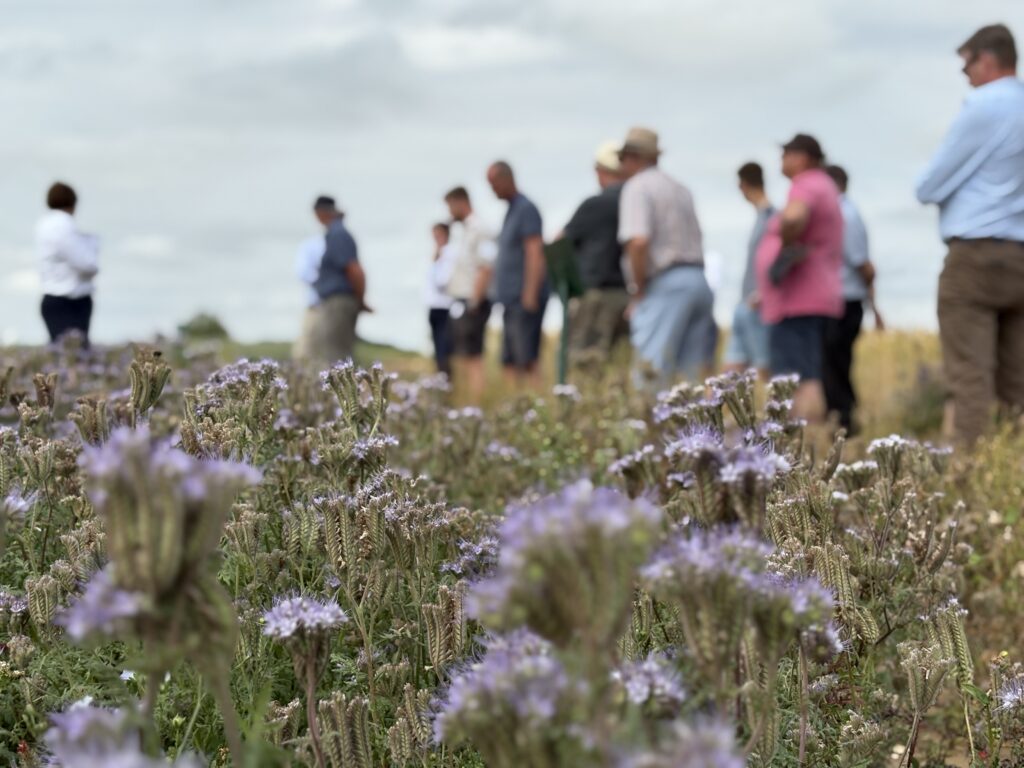
Of course, crop health is still central to what I do. With a background in environmental science, I’m passionate about helping growers to establish good soil health and track crop performance.
I advise on disease and pest control, variety choice and inputs programmes, and throughout the season I monitor crop performance through careful examinations that include soil testing, N-testing and leaf tissue analysis to ensure plans are always adjusted for best results. For growers who’ve adopted precision technology, I also bring in NDVI and LAI imagery to support data-driven, evidence-based variable application plans that optimise inputs, along with insights from Frontier’s team of precision farming experts drawing on over 30 years of soil health data.
I’m there to help you interpret the results of those tests and advise on how to course-correct throughout the season to make sure you meet or exceed end market specification. If there’s a way to achieve the optimum result more efficiently, I’m going to make that recommendation to save you time and money.
Tried-and-tested advice
I think one of the most valuable things an agronomist offers is the depth of knowledge on different crop production options and how those choices will practically work on farm.
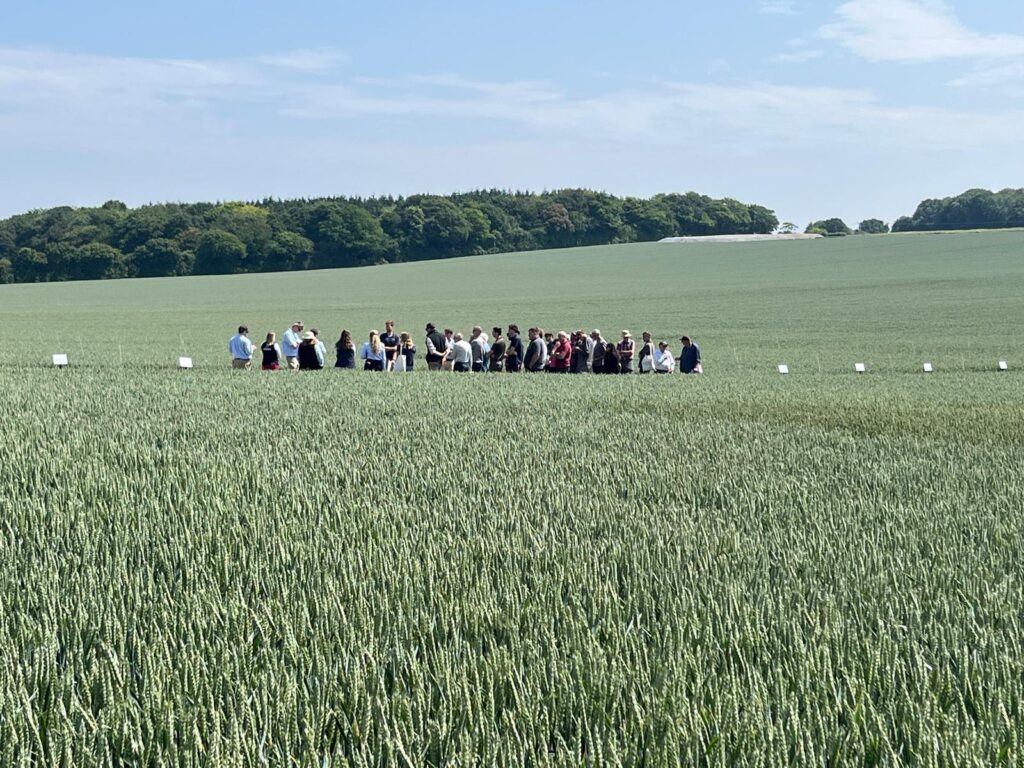
Frontier invested over £6 million in R&D in 2024, with over 13,000 replicated trials plots across the UK where we’re independently testing crop protection and nutrition programmes and monitoring variety performance. We combine this with data from NIAB and the AHDB to present recommendations that are data-driven and tailored to local farm conditions.
Digital tools can further support the decision-making process by amalgamating data to indicate risk levels sooner or create a more powerful overview of crop performance and business forecasts.
Equipped with these insights, I see an agronomist as a walking data bank interpreting results into meaningful actions on farm, as well as someone who understands the growers they work with, their needs and their goals. That kind of counsel and partnership is invaluable, and not something you can get from a product data sheet or online review. Although the data might point to one variety or product as “the best” on paper, I’m always analysing results in the context of the farm business I’m working with – how does it work on that land, in that rotation, in those conditions, and what does it mean for subsequent inputs and wider farm management?
Building more diversity into rotations
For many farms, looking at opportunities across the whole arable rotation is key to building business resilience. There are always risks and rewards when it comes to adopting new crop production strategies or approaches; I help growers weigh up those decisions and determine how much risk to accept.
Today, more of the growers I work with are exploring the increasing number of sustainable crop production programmes coming to the market, opting for reward-for-practice schemes to boost their earnings while growing crops more sustainably and delivering positive outcomes for the wider farm environment. Some have also turned to growing energy crops for different end markets too, while others have found profit by incorporating other products like pumpkins and sunflowers to support new commercial activities.
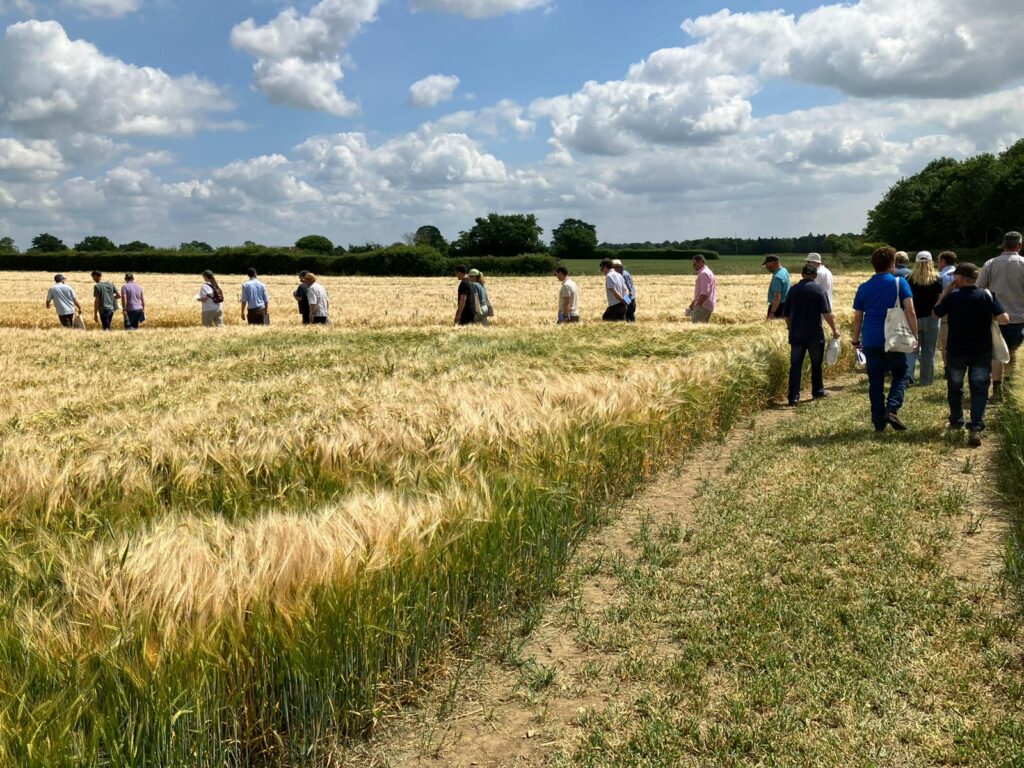
Throughout my time in the industry, I’ve seen how important it is to have an open mind to new opportunities, and, with that, it’s important to bring a range of expertise to the table. As it becomes more challenging for farms to stay profitable, I’ve been given greater license to think outside the box and sometimes that’s where I find the most worthwhile opportunities for the growers I work with. If they tell me they’re up for the challenge, we then work together to build a delivery strategy, and I find that partnership really makes a difference in making change successful.
By looking ahead to end markets and supporting growers to find the grain marketing and funding opportunities that are right for them, I can provide focused advice throughout the season to drive productivity, support the implementation of agri-environment schemes and ultimately optimise margins as far as possible.
Helping growers prepare for the future of farming
Whereas a decade ago, cash crops were the primary and often only source of farm income, today’s farmers often balance multiple priorities in their rotation to earn extra payments on their activity. With the retirement of the Basic Payment Scheme (BPS), we’ve seen agri-environment schemes such as the Sustainable Farming Incentive (SFI) and Environmental Land Management schemes (ELMs) offer new ways to top up farm revenue. I have no doubt sustainable farming practices will become even more central to the future of UK agriculture, so I make sure I’m always on the front foot with the evolving public and private funding options available, and that I can provide the right technical support to ensure growers make the most of them.
This includes helping growers review what they’re already doing on farm, assessing how far they can stretch to incorporate new activity, and advising on how to comply with the requirements of their chosen actions. Some growers might not realise how easy it can be to participate in a scheme, or that they’re already ticking some boxes. Bringing in that outside expertise can really help with navigating the options that best suit their business rather than just chasing the highest payments, which – if tied up in long-term actions – might present risks of their own.
I’m a partner for your business
What growers need to achieve on farm has become more demanding, which means the role of an agronomist has had to evolve to help manage risk better. I still bring expertise to help monitor and advise on crop health, but I’m also there to help sense-check broader farm strategy. What’s in the ground doesn’t exist separately from the other aspects of farm management on a grower’s mind: cash flow, compliance, storage, operator capacity, end markets, revenue and everything else.
At the heart of a great agronomy service is an advisor-grower relationship based on reducing risk, building trust and sharing experience. The scope of my knowledge has grown massively and, as the industry changes, sometimes that means learning to trust different ways of working if we are to help break new ground. It makes me incredibly proud of the role I play and the collaboration I have with growers; offering sound advice and human interaction in a data-driven world and sharing in new innovations as we help to shape the future of UK agriculture.