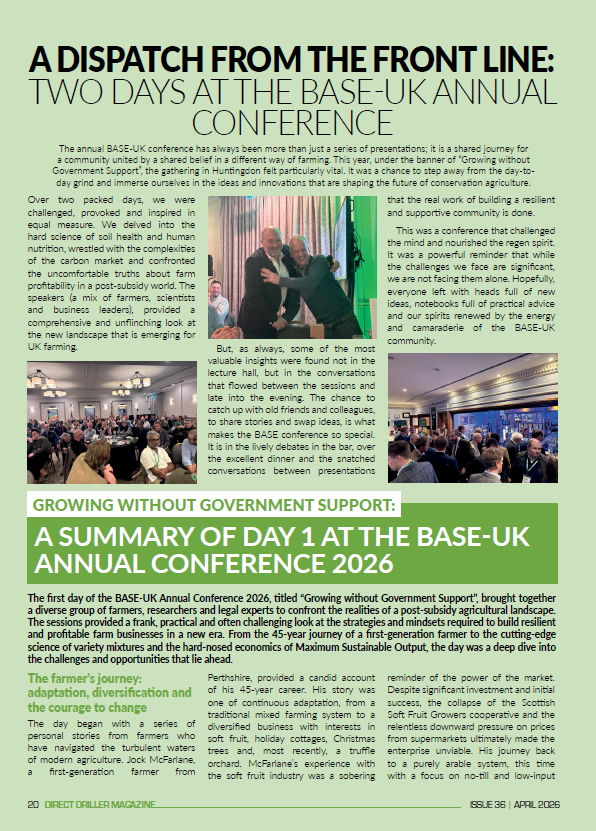
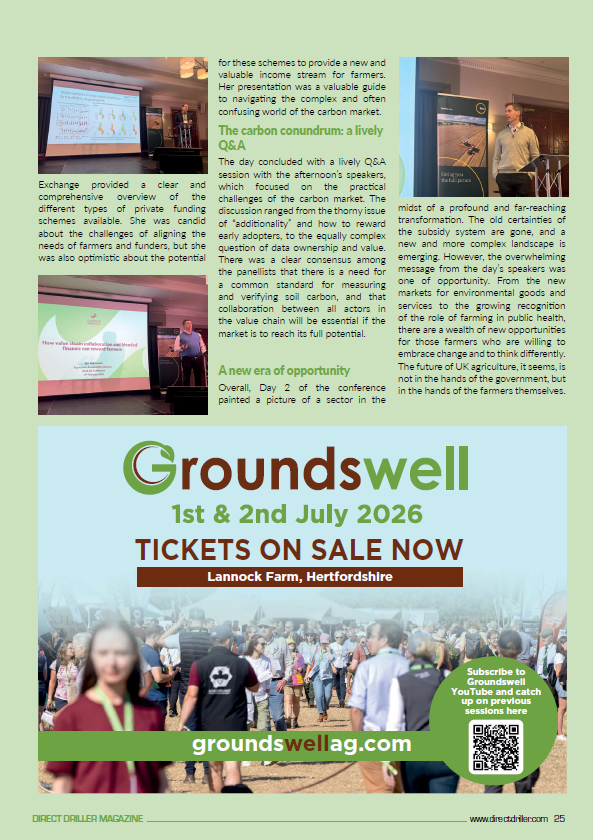
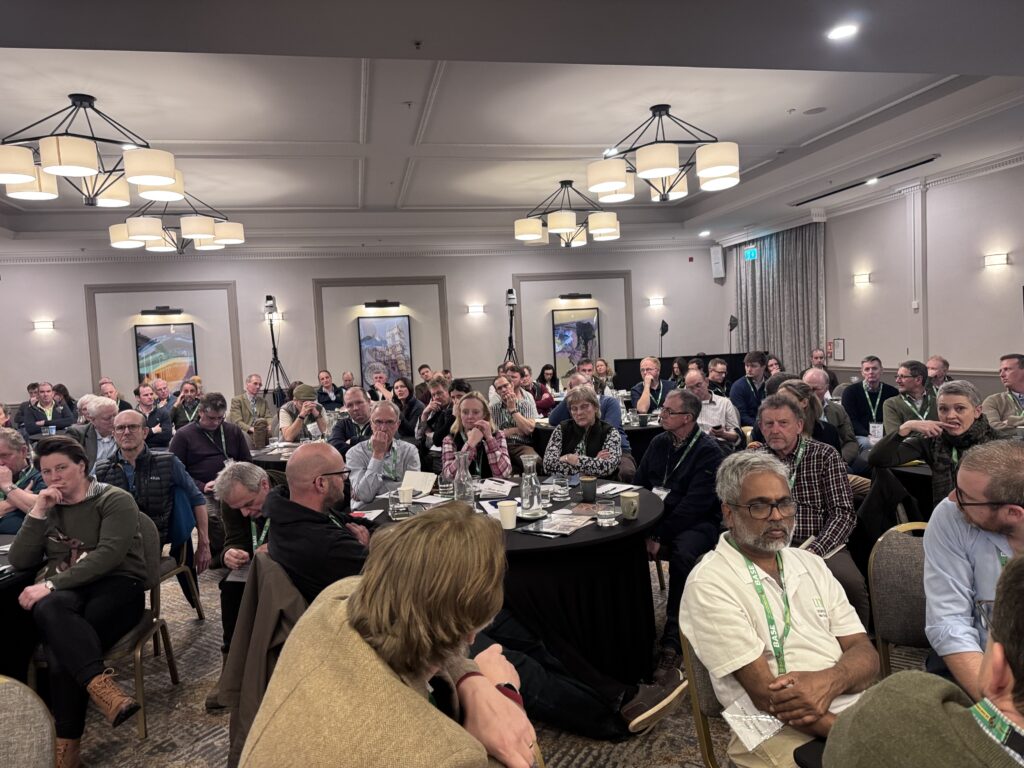
The annual BASE-UK conference has always been more than just a series of presentations; it is a shared journey for a community united by a shared belief in a different way of farming. This year, under the banner of “Growing without Government Support”, the gathering in Huntingdon felt particularly vital. It was a chance to step away from the day-to-day grind and immerse ourselves in the ideas and innovations that are shaping the future of conservation agriculture.
Over two packed days, we were challenged, provoked and inspired in equal measure. We delved into the hard science of soil health and human nutrition, wrestled with the complexities of the carbon market and confronted the uncomfortable truths about farm profitability in a post-subsidy world. The speakers (a mix of farmers, scientists and business leaders), provided a comprehensive and unflinching look at the new landscape that is emerging for UK farming.
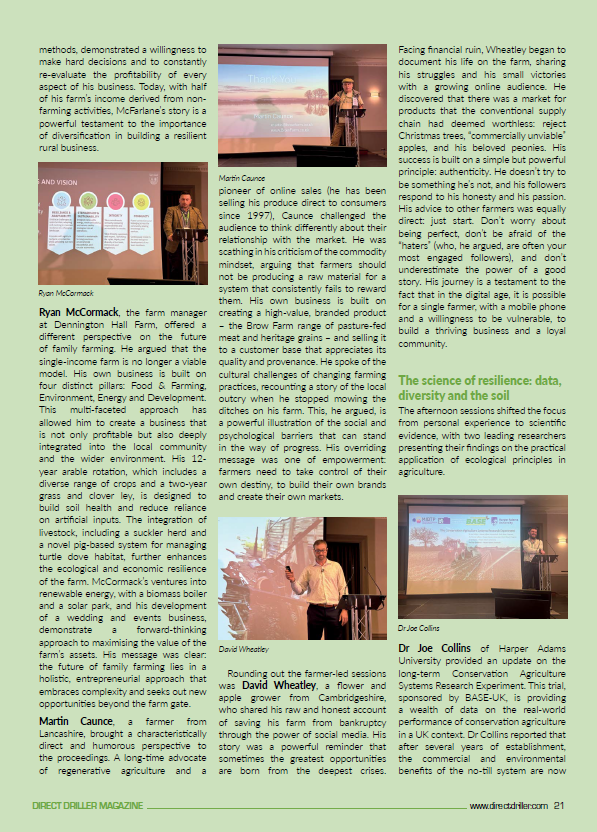
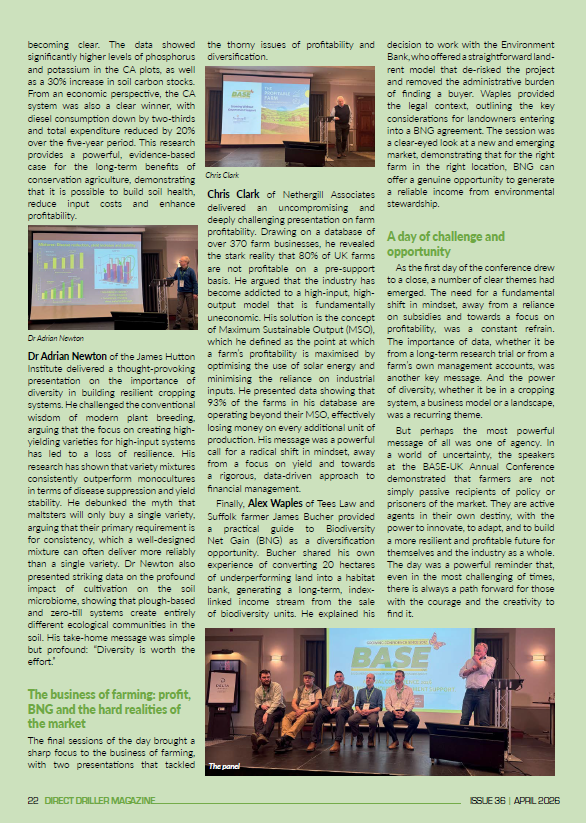
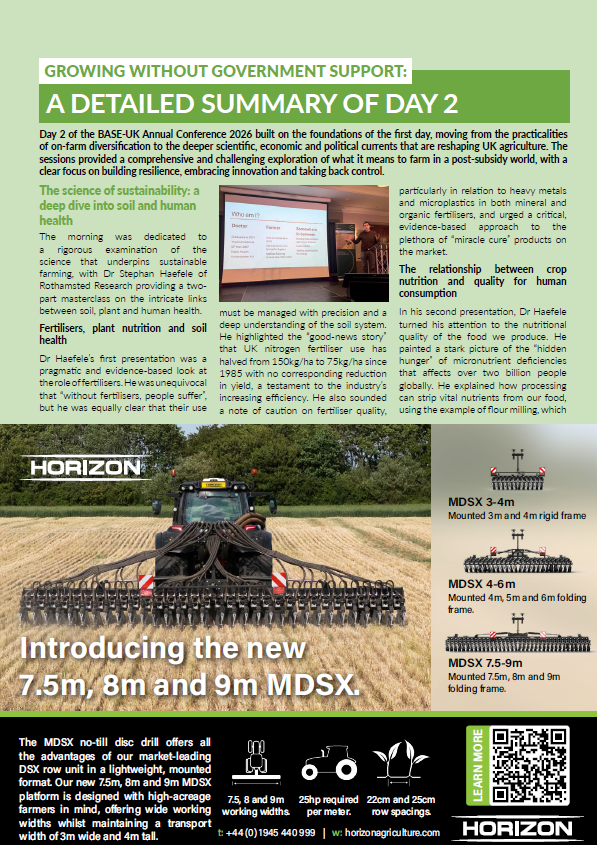
But, as always, some of the most valuable insights were found not in the lecture hall, but in the conversations that flowed between the sessions and late into the evening. The chance to catch up with old friends and colleagues, to share stories and swap ideas, is what makes the BASE conference so special. It is in the lively debates in the bar, over the excellent dinner and the snatched conversations between presentations that the real work of building a resilient and supportive community is done.
This was a conference that challenged the mind and nourished the regen spirit. It was a powerful reminder that while the challenges we face are significant, we are not facing them alone. Hopefully, everyone left with heads full of new ideas, notebooks full of practical advice and our spirits renewed by the energy and camaraderie of the BASE-UK community.
Growing Without Government Support: A Summary of Day 1 at the BASE-UK Annual Conference 2026
The first day of the BASE-UK Annual Conference 2026, titled “Growing without Government Support”, brought together a diverse group of farmers, researchers and legal experts to confront the realities of a post-subsidy agricultural landscape. The sessions provided a frank, practical and often challenging look at the strategies and mindsets required to build resilient and profitable farm businesses in a new era. From the 45-year journey of a first-generation farmer to the cutting-edge science of variety mixtures and the hard-nosed economics of Maximum Sustainable Output, the day was a deep dive into the challenges and opportunities that lie ahead.
The farmer’s journey: adaptation, diversification and the courage to change
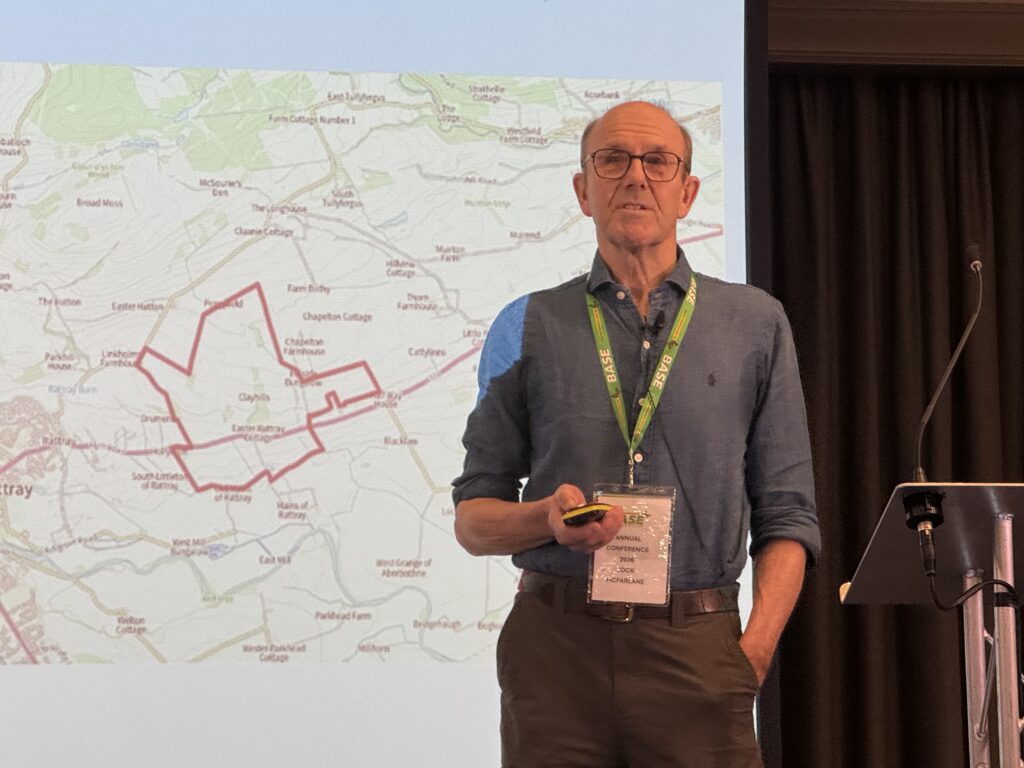
The day began with a series of personal stories from farmers who have navigated the turbulent waters of modern agriculture. Jock McFarlane, a first-generation farmer from Perthshire, provided a candid account of his 45-year career. His story was one of continuous adaptation, from a traditional mixed farming system to a diversified business with interests in soft fruit, holiday cottages, Christmas trees and, most recently, a truffle orchard. McFarlane’s experience with the soft fruit industry was a sobering reminder of the power of the market. Despite significant investment and initial success, the collapse of the Scottish Soft Fruit Growers cooperative and the relentless downward pressure on prices from supermarkets ultimately made the enterprise unviable. His journey back to a purely arable system, this time with a focus on no-till and low-input methods, demonstrated a willingness to make hard decisions and to constantly re-evaluate the profitability of every aspect of his business. Today, with half of his farm’s income derived from non-farming activities, McFarlane’s story is a powerful testament to the importance of diversification in building a resilient rural business.
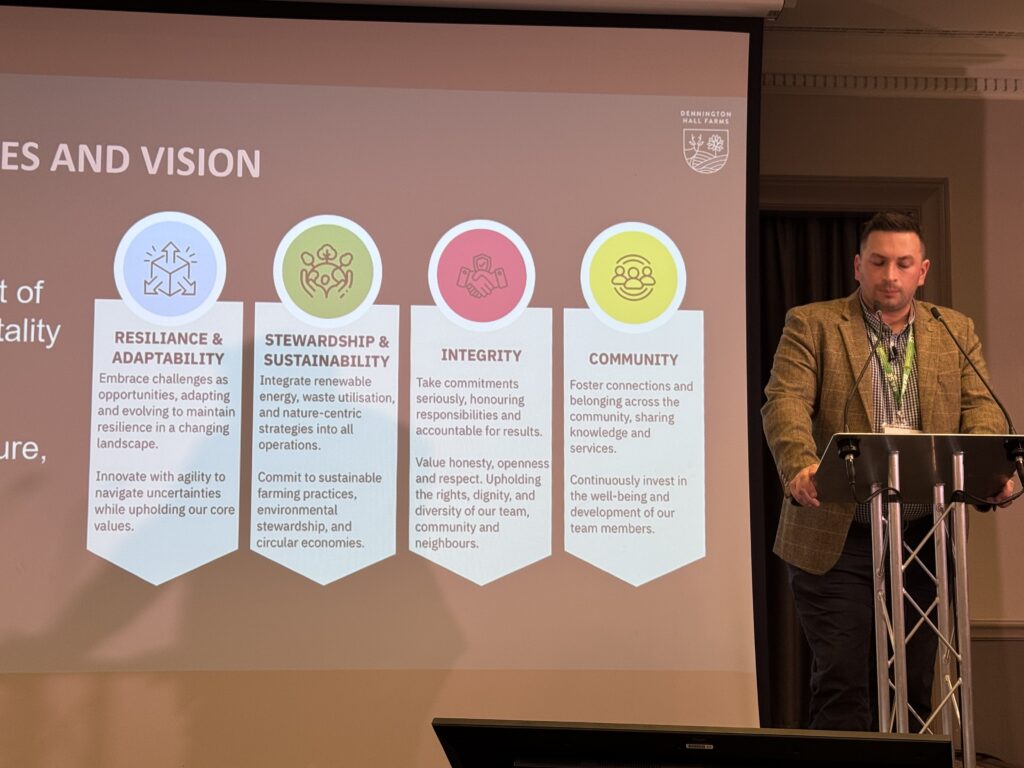
Ryan McCormack, the farm manager at Dennington Hall Farm, offered a different perspective on the future of family farming. He argued that the single-income farm is no longer a viable model. His own business is built on four distinct pillars: Food & Farming, Environment, Energy and Development. This multi-faceted approach has allowed him to create a business that is not only profitable but also deeply integrated into the local community and the wider environment. His 12-year arable rotation, which includes a diverse range of crops and a two-year grass and clover ley, is designed to build soil health and reduce reliance on artificial inputs. The integration of livestock, including a suckler herd and a novel pig-based system for managing turtle dove habitat, further enhances the ecological and economic resilience of the farm. McCormack’s ventures into renewable energy, with a biomass boiler and a solar park, and his development of a wedding and events business, demonstrate a forward-thinking approach to maximising the value of the farm’s assets. His message was clear: the future of family farming lies in a holistic, entrepreneurial approach that embraces complexity and seeks out new opportunities beyond the farm gate.
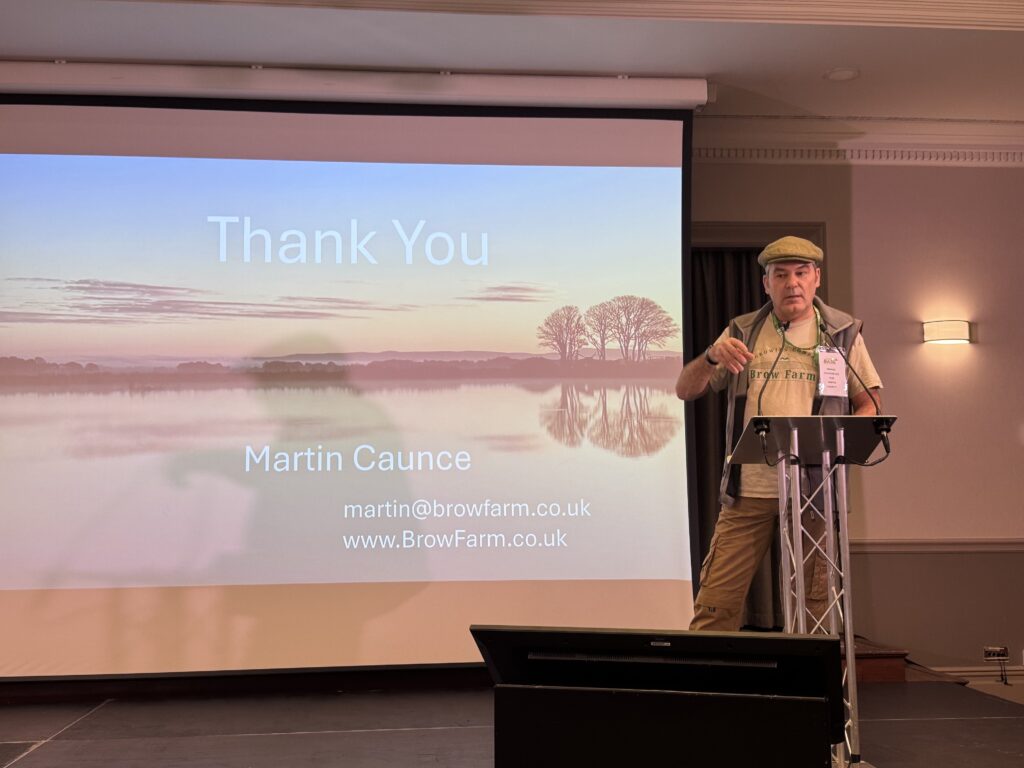
Martin Caunce, a farmer from Lancashire, brought a characteristically direct and humorous perspective to the proceedings. A long-time advocate of regenerative agriculture and a pioneer of online sales (he has been selling his produce direct to consumers since 1997), Caunce challenged the audience to think differently about their relationship with the market. He was scathing in his criticism of the commodity mindset, arguing that farmers should not be producing a raw material for a system that consistently fails to reward them. His own business is built on creating a high-value, branded product – the Brow Farm range of pasture-fed meat and heritage grains – and selling it to a customer base that appreciates its quality and provenance. He spoke of the cultural challenges of changing farming practices, recounting a story of the local outcry when he stopped mowing the ditches on his farm. This, he argued, is a powerful illustration of the social and psychological barriers that can stand in the way of progress. His overriding message was one of empowerment: farmers need to take control of their own destiny, to build their own brands and create their own markets.
Rounding out the farmer-led sessions was David Wheatley, a flower and apple grower from Cambridgeshire, who shared his raw and honest account of saving his farm from bankruptcy through the power of social media. His story was a powerful reminder that sometimes the greatest opportunities are born from the deepest crises. Facing financial ruin, Wheatley began to document his life on the farm, sharing his struggles and his small victories with a growing online audience. He discovered that there was a market for products that the conventional supply chain had deemed worthless: reject Christmas trees, “commercially unviable” apples, and his beloved peonies. His success is built on a simple but powerful principle: authenticity. He doesn’t try to be something he’s not, and his followers respond to his honesty and his passion. His advice to other farmers was equally direct: just start. Don’t worry about being perfect, don’t be afraid of the “haters” (who, he argued, are often your most engaged followers), and don’t underestimate the power of a good story. His journey is a testament to the fact that in the digital age, it is possible for a single farmer, with a mobile phone and a willingness to be vulnerable, to build a thriving business and a loyal community.
The science of resilience: data, diversity and the soil
The afternoon sessions shifted the focus from personal experience to scientific evidence, with two leading researchers presenting their findings on the practical application of ecological principles in agriculture.
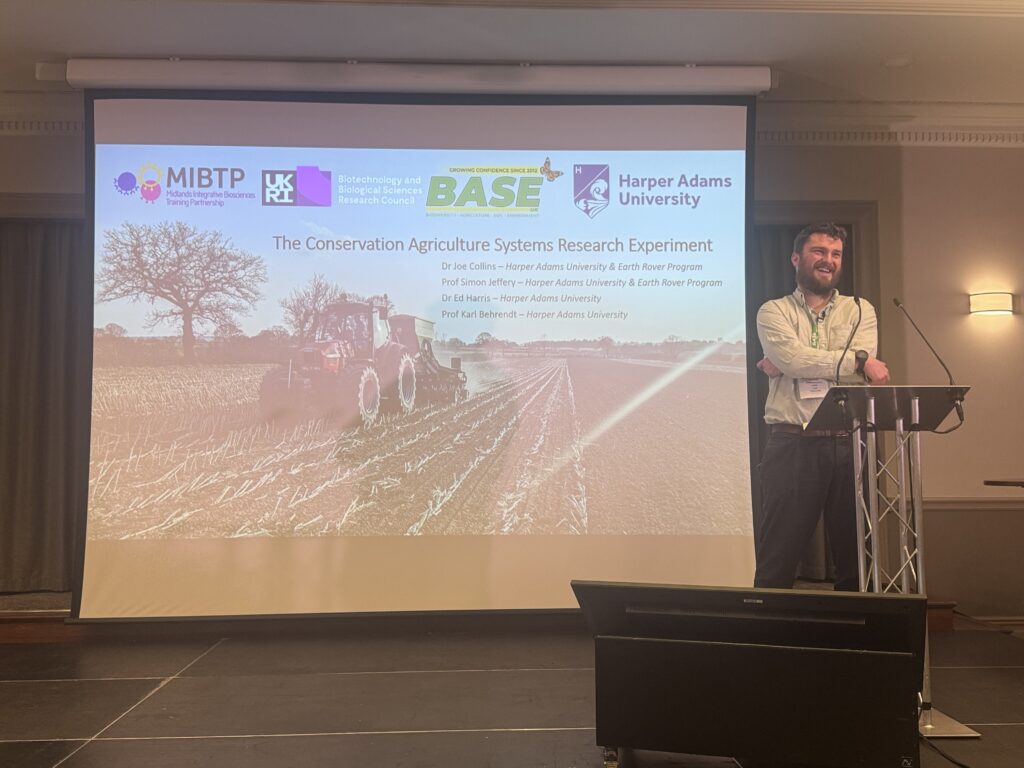
Dr Joe Collins of Harper Adams University provided an update on the long-term Conservation Agriculture Systems Research Experiment. This trial, sponsored by BASE-UK, is providing a wealth of data on the real-world performance of conservation agriculture in a UK context. Dr Collins reported that after several years of establishment, the commercial and environmental benefits of the no-till system are now becoming clear. The data showed significantly higher levels of phosphorus and potassium in the CA plots, as well as a 30% increase in soil carbon stocks. From an economic perspective, the CA system was also a clear winner, with diesel consumption down by two-thirds and total expenditure reduced by 20% over the five-year period. This research provides a powerful, evidence-based case for the long-term benefits of conservation agriculture, demonstrating that it is possible to build soil health, reduce input costs and enhance profitability.
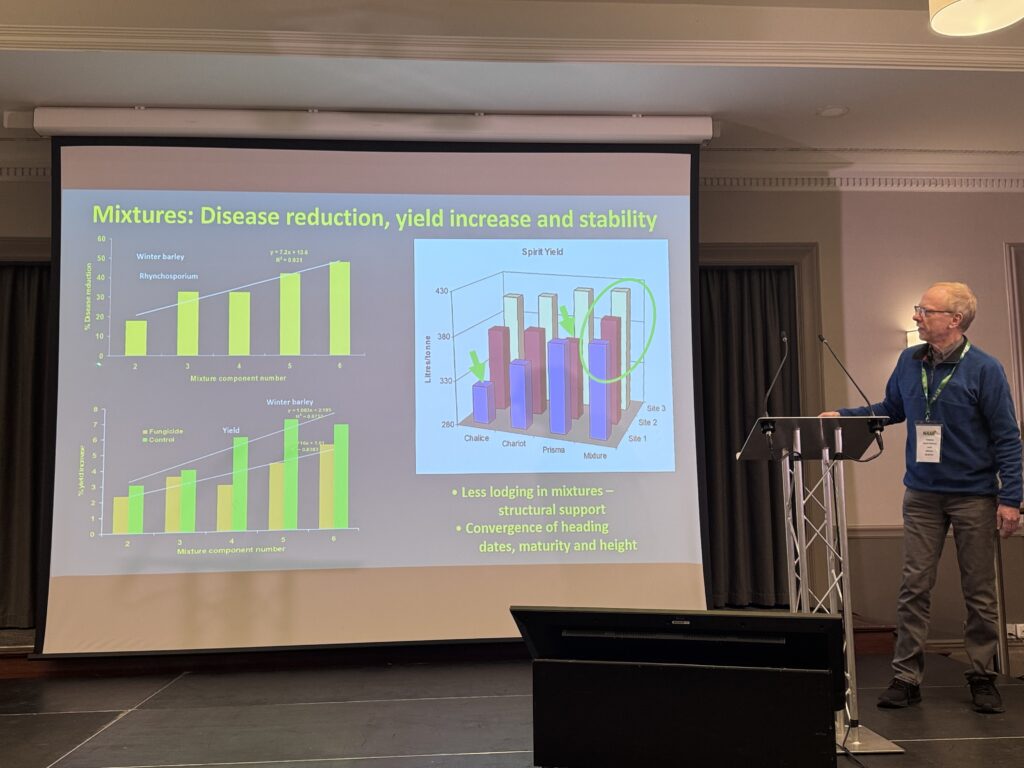
Dr Adrian Newton of the James Hutton Institute delivered a thought-provoking presentation on the importance of diversity in building resilient cropping systems. He challenged the conventional wisdom of modern plant breeding, arguing that the focus on creating high-yielding varieties for high-input systems has led to a loss of resilience. His research has shown that variety mixtures consistently outperform monocultures in terms of disease suppression and yield stability. He debunked the myth that maltsters will only buy a single variety, arguing that their primary requirement is for consistency, which a well-designed mixture can often deliver more reliably than a single variety. Dr Newton also presented striking data on the profound impact of cultivation on the soil microbiome, showing that plough-based and zero-till systems create entirely different ecological communities in the soil. His take-home message was simple but profound: “Diversity is worth the effort.”
The business of farming: profit, BNG and the hard realities of the market
The final sessions of the day brought a sharp focus to the business of farming, with two presentations that tackled the thorny issues of profitability and diversification.
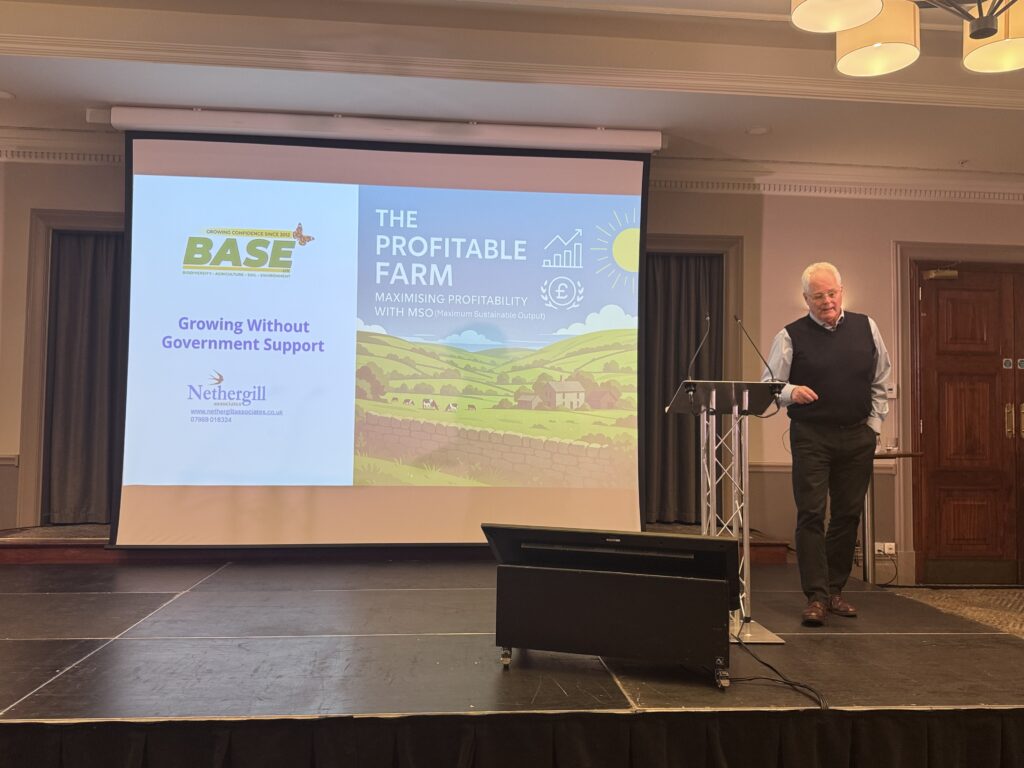
Chris Clark of Nethergill Associates delivered an uncompromising and deeply challenging presentation on farm profitability. Drawing on a database of over 370 farm businesses, he revealed the stark reality that 80% of UK farms are not profitable on a pre-support basis. He argued that the industry has become addicted to a high-input, high-output model that is fundamentally uneconomic. His solution is the concept of Maximum Sustainable Output (MSO), which he defined as the point at which a farm’s profitability is maximised by optimising the use of solar energy and minimising the reliance on industrial inputs. He presented data showing that 93% of the farms in his database are operating beyond their MSO, effectively losing money on every additional unit of production. His message was a powerful call for a radical shift in mindset, away from a focus on yield and towards a rigorous, data-driven approach to financial management.
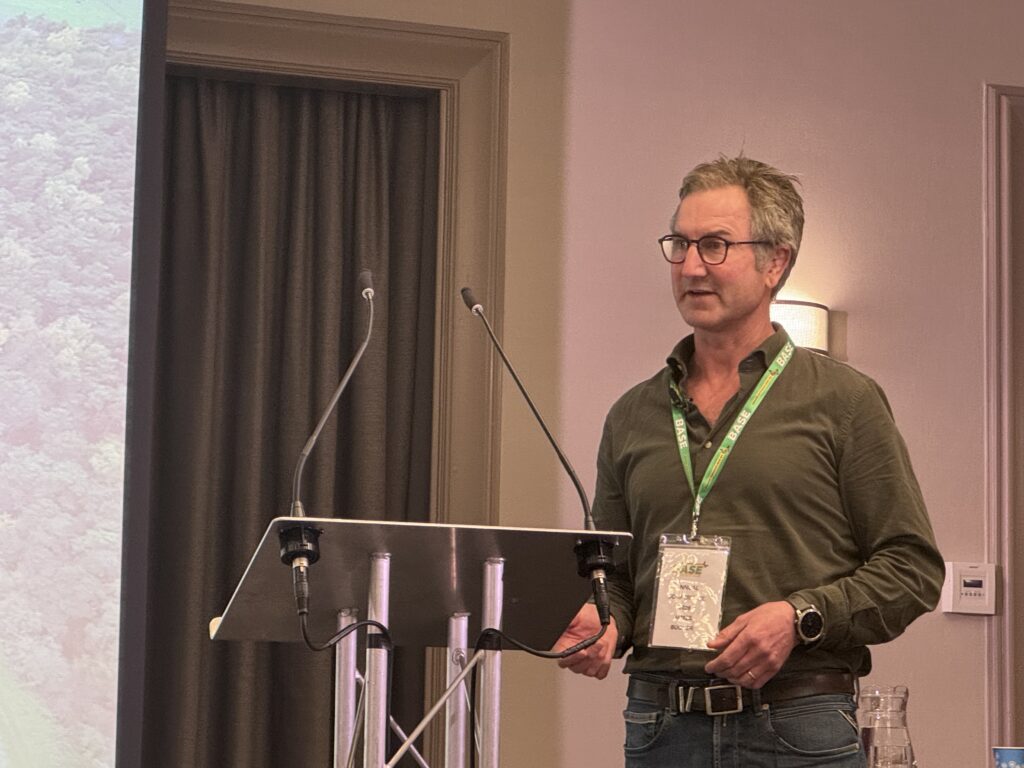
Finally, Alex Waples of Tees Law and Suffolk farmer James Bucher provided a practical guide to Biodiversity Net Gain (BNG) as a diversification opportunity. Bucher shared his own experience of converting 20 hectares of underperforming land into a habitat bank, generating a long-term, index-linked income stream from the sale of biodiversity units. He explained his decision to work with the Environment Bank, who offered a straightforward land-rent model that de-risked the project and removed the administrative burden of finding a buyer. Waples provided the legal context, outlining the key considerations for landowners entering into a BNG agreement. The session was a clear-eyed look at a new and emerging market, demonstrating that for the right farm in the right location, BNG can offer a genuine opportunity to generate a reliable income from environmental stewardship.
A day of challenge and opportunity
As the first day of the conference drew to a close, a number of clear themes had emerged. The need for a fundamental shift in mindset, away from a reliance on subsidies and towards a focus on profitability, was a constant refrain. The importance of data, whether it be from a long-term research trial or from a farm’s own management accounts, was another key message. And the power of diversity, whether it be in a cropping system, a business model or a landscape, was a recurring theme.
But perhaps the most powerful message of all was one of agency. In a world of uncertainty, the speakers at the BASE-UK Annual Conference demonstrated that farmers are not simply passive recipients of policy or prisoners of the market. They are active agents in their own destiny, with the power to innovate, to adapt, and to build a more resilient and profitable future for themselves and the industry as a whole. The day was a powerful reminder that, even in the most challenging of times, there is always a path forward for those with the courage and the creativity to find it.
Growing Without Government Support: A Detailed Summary of Day 2
Day 2 of the BASE-UK Annual Conference 2026 built on the foundations of the first day, moving from the practicalities of on-farm diversification to the deeper scientific, economic and political currents that are reshaping UK agriculture. The sessions provided a comprehensive and challenging exploration of what it means to farm in a post-subsidy world, with a clear focus on building resilience, embracing innovation and taking back control.
The science of sustainability: a deep dive into soil and human health
The morning was dedicated to a rigorous examination of the science that underpins sustainable farming, with Dr Stephan Haefele of Rothamsted Research providing a two-part masterclass on the intricate links between soil, plant and human health.
Fertilisers, plant nutrition and soil health
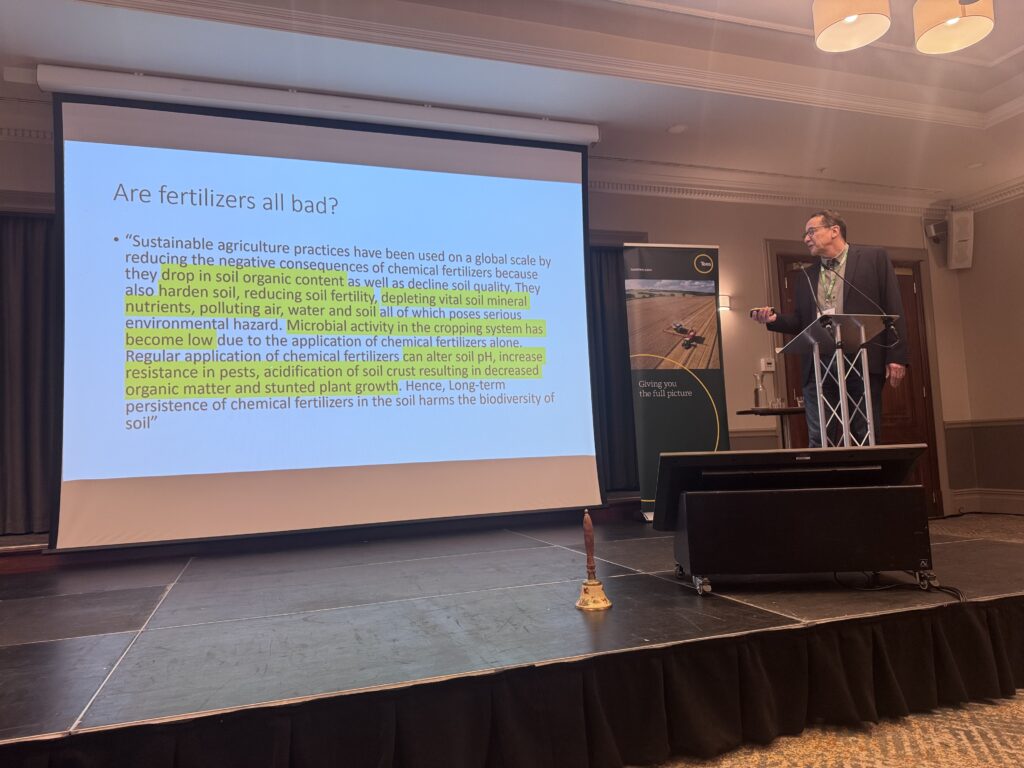
Dr Haefele’s first presentation was a pragmatic and evidence-based look at the role of fertilisers. He was unequivocal that “without fertilisers, people suffer”, but he was equally clear that their use must be managed with precision and a deep understanding of the soil system. He highlighted the “good-news story” that UK nitrogen fertiliser use has halved from 150kg/ha to 75kg/ha since 1985 with no corresponding reduction in yield, a testament to the industry’s increasing efficiency. He also sounded a note of caution on fertiliser quality, particularly in relation to heavy metals and microplastics in both mineral and organic fertilisers, and urged a critical, evidence-based approach to the plethora of “miracle cure” products on the market.
The relationship between crop nutrition and quality for human consumption
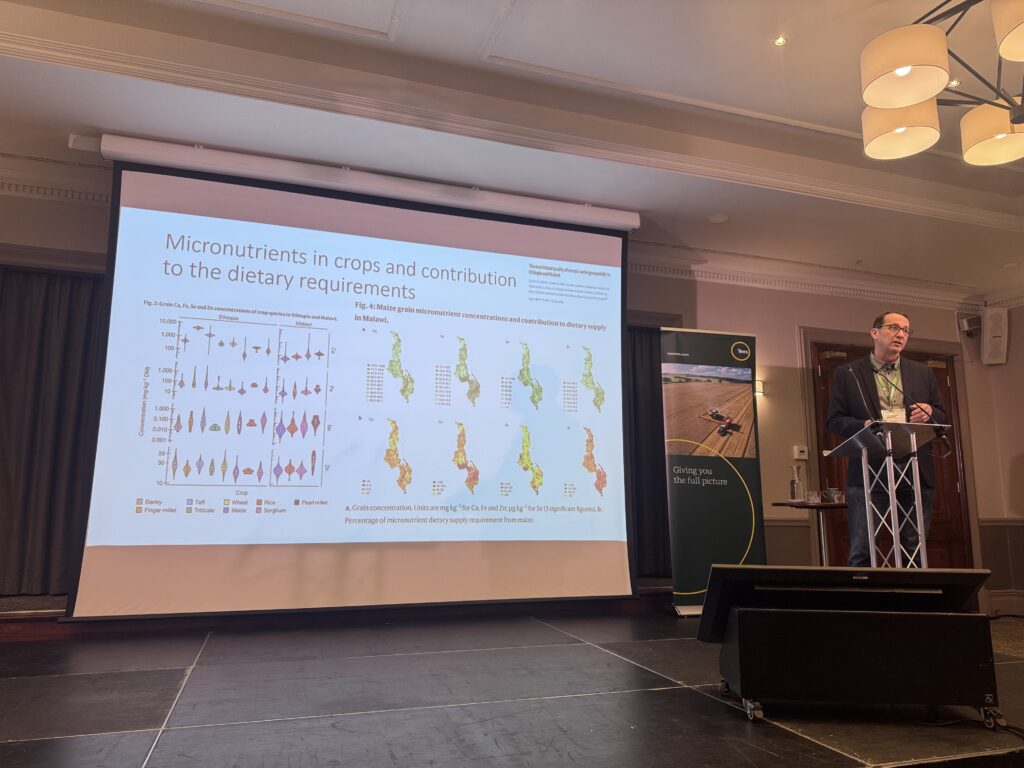
In his second presentation, Dr Haefele turned his attention to the nutritional quality of the food we produce. He painted a stark picture of the “hidden hunger” of micronutrient deficiencies that affects over two billion people globally. He explained how processing can strip vital nutrients from our food, using the example of flour milling, which dramatically reduces the content of fibre, magnesium, zinc and manganese. He also introduced the concept of “bioavailability” and “antinutrients” like phytic acid, which can block the uptake of essential minerals. His case study on selenium, where UK levels are significantly lower than in the US due to naturally selenium-poor soils in eastern England, was a powerful illustration of the direct link between soil health and human health. He concluded by highlighting the potential of biofortification, both through breeding programmes like HarvestPlus and agronomic interventions like Finland’s successful nationwide selenium fortification programme.
Agri-health opportunities for the UK farmer
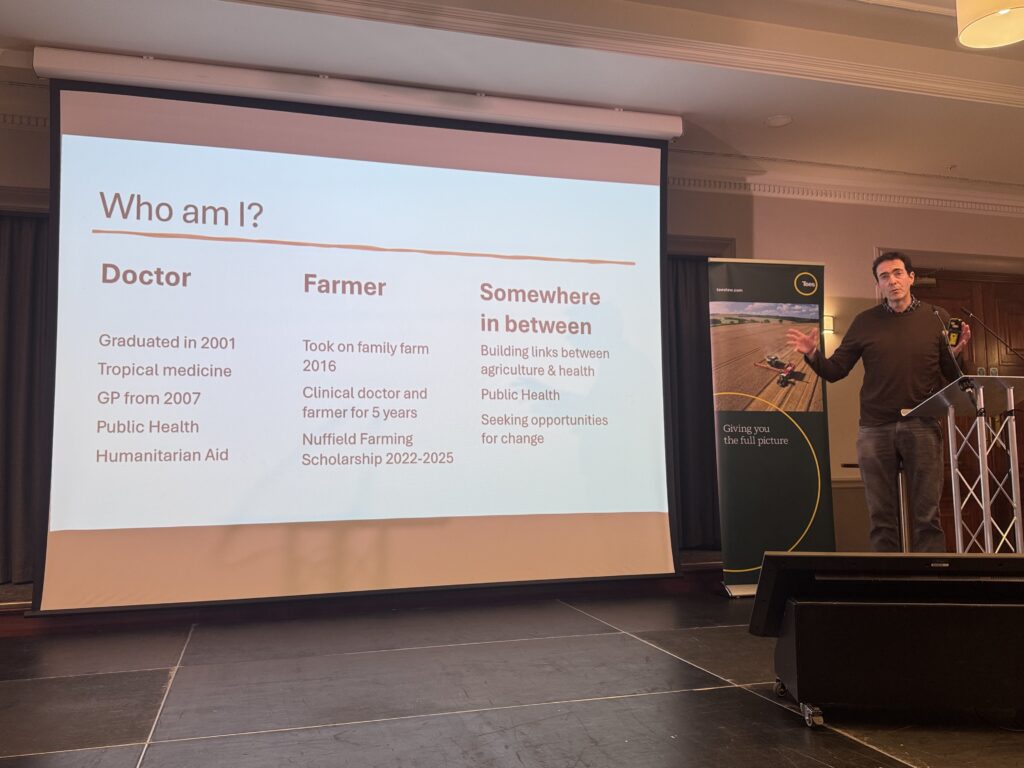
Dr Tom Pearson, a farmer and medical doctor, built on this theme, presenting a compelling vision of farmers as key players in the public health arena. He argued that the UK’s diet-related ill-health crisis, costing the economy an estimated £268 billion per year, represents a massive opportunity for farmers to be part of the solution. He showcased the success of “fruit and veg on prescription” schemes, where participants have seen dramatic improvements in their health, and argued that farmers could be commissioned by the NHS to deliver a wide range of health-related services, from producing nutrient-dense food to providing “green social prescribing” opportunities on their farms.
The business of transition: navigating the new economic landscape
The afternoon sessions shifted the focus to the economics of the agricultural transition, with a series of presentations on private finance, the carbon market and the business mindset required to succeed in a post-subsidy world.
Filling the BPS hole at Yattendon Estate
Nick Down of Yattendon Estate provided a practical, on-the-ground perspective on how to adapt to the new economic reality. He explained how he has used a “carbon lens” to scrutinise every aspect of his business, and how this has led to significant cost savings. His presentation was a powerful demonstration of how a focus on carbon can be a proxy for efficiency, with a move to single-pass no-till drilling reducing autumn establishment fuel use from 43 litres/ha to 23 litres/ha, and allowing for a smaller, less capital-intensive tractor.
Farming beyond the scheme – who needs subsidies anyway?
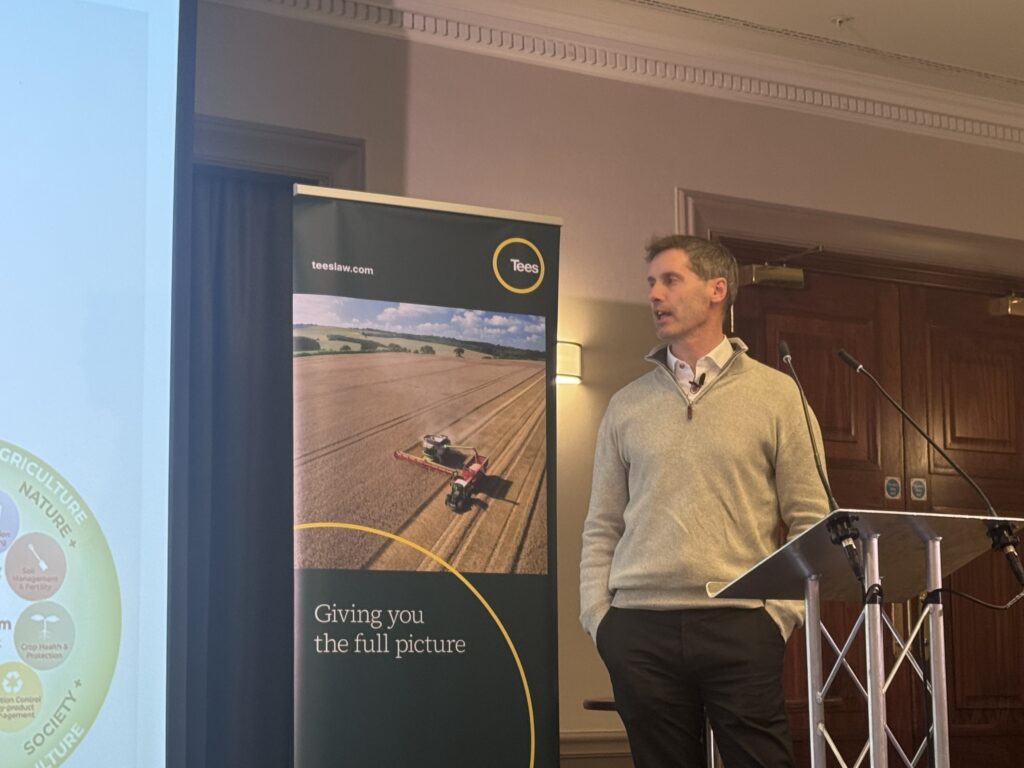
Elliot Taylor of GFW delivered a provocative and challenging presentation that questioned the very foundations of the subsidy system. He argued that decades of reliance on subsidies have created a culture of dependency and that the real challenge for farmers is not just to survive without support, but to grow beyond it. He urged the audience to embrace a more entrepreneurial mindset, to take control of their own destinies and to build businesses that are resilient and adaptable enough to thrive in a rapidly changing world.
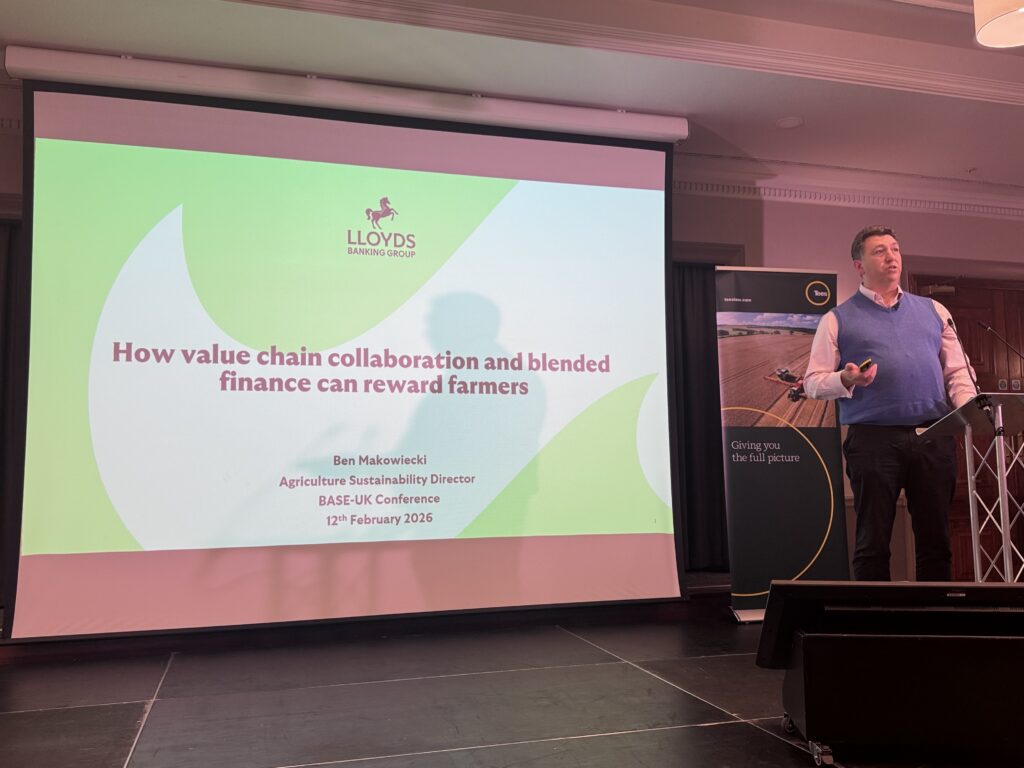
How value chain collaboration and blended finance can reward farmers
Ben Makowiecki of Lloyds Banking Group offered a perspective from the financial sector. He explained that banks have a vested interest in the long-term viability of UK farming and that they are actively seeking ways to support farmers through the transition. He highlighted the potential of “blended finance”, where public money is used to leverage private investment, and showcased innovative financial products, such as loans with two-year capital repayment holidays, that are designed to de-risk the transition for farmers.
Through the looking glass: lessons learned from private funding for agricultural transition
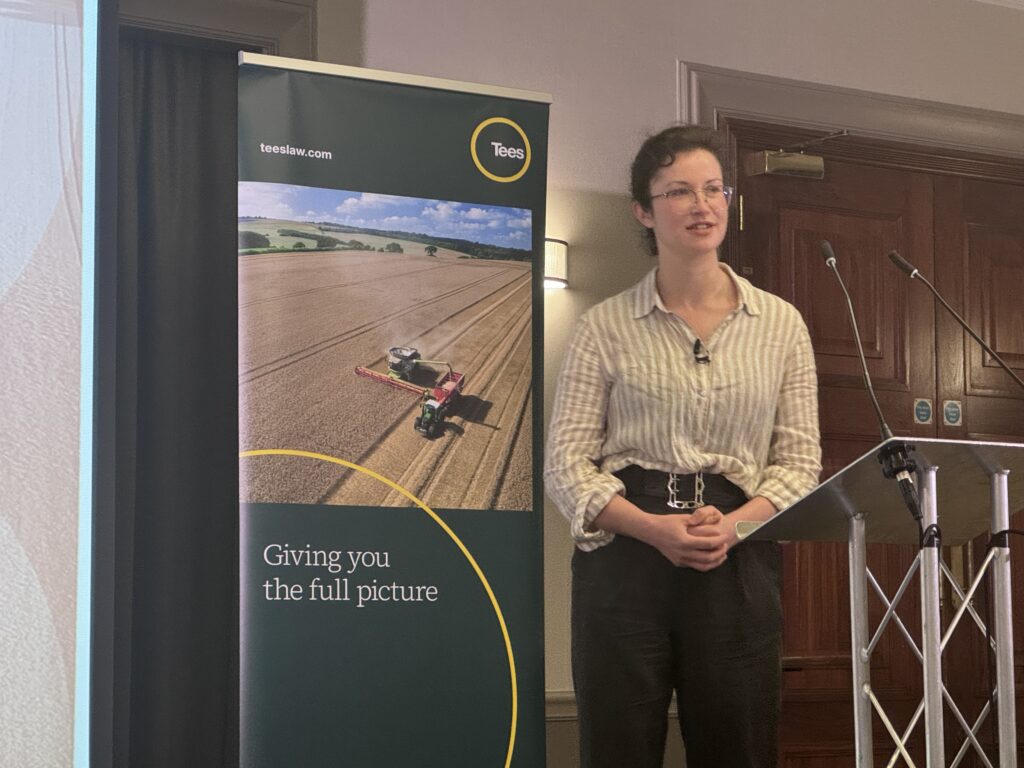
Louise Rezler of the Soil Association Exchange provided a clear and comprehensive overview of the different types of private funding schemes available. She was candid about the challenges of aligning the needs of farmers and funders, but she was also optimistic about the potential for these schemes to provide a new and valuable income stream for farmers. Her presentation was a valuable guide to navigating the complex and often confusing world of the carbon market.
The carbon conundrum: a lively Q&A
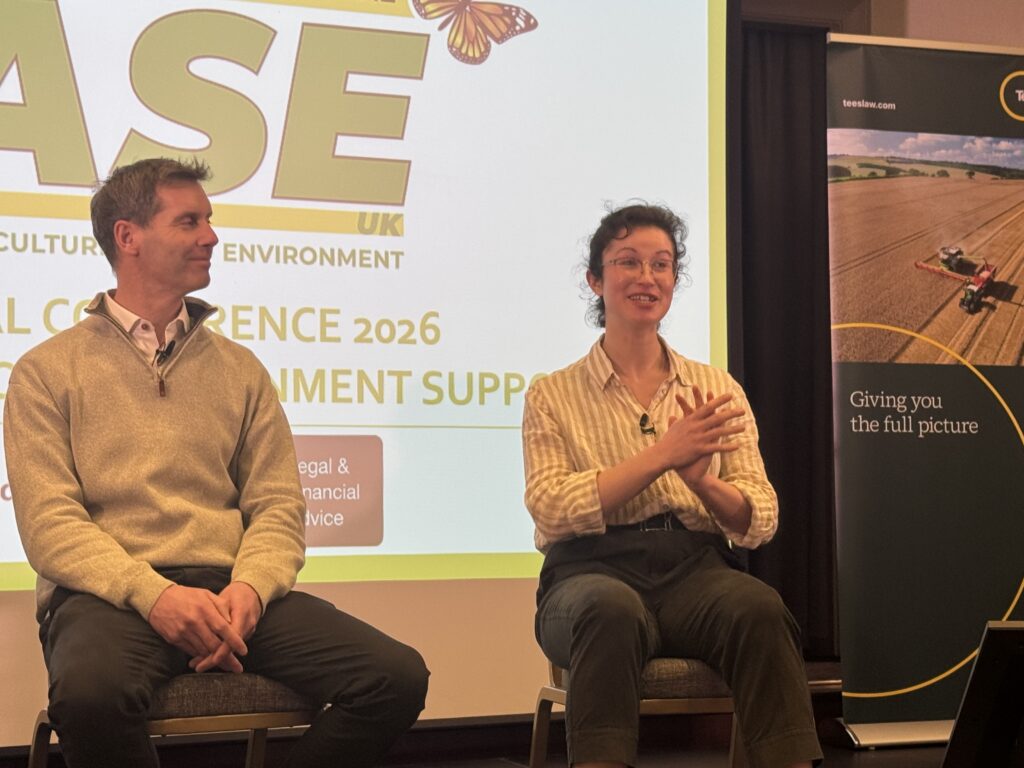
The day concluded with a lively Q&A session with the afternoon’s speakers, which focused on the practical challenges of the carbon market. The discussion ranged from the thorny issue of “additionality” and how to reward early adopters, to the equally complex question of data ownership and value. There was a clear consensus among the panellists that there is a need for a common standard for measuring and verifying soil carbon, and that collaboration between all actors in the value chain will be essential if the market is to reach its full potential.
A new era of opportunity
Overall, Day 2 of the conference painted a picture of a sector in the midst of a profound and far-reaching transformation. The old certainties of the subsidy system are gone, and a new and more complex landscape is emerging. However, the overwhelming message from the day’s speakers was one of opportunity. From the new markets for environmental goods and services to the growing recognition of the role of farming in public health, there are a wealth of new opportunities for those farmers who are willing to embrace change and to think differently. The future of UK agriculture, it seems, is not in the hands of the government, but in the hands of the farmers themselves.