Mar 2026
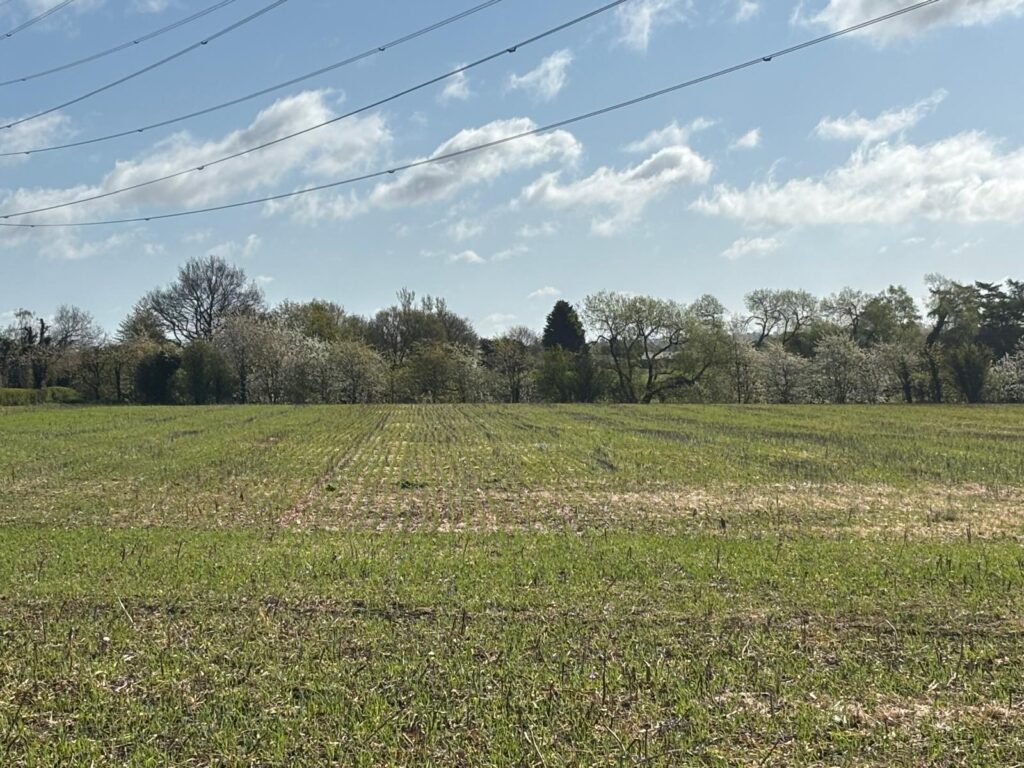
Spring has always been my favourite month, with autumn being a close second. I just love the sights of things coming alive again and new life being born; it is natural regeneration in action. At the time of writing, spring crops have been going into nice conditions, with all the hope and expectation of a good growing season to come. I feel we must have that eternal optimism, or we just wouldn’t bother under the present storm that agriculture finds itself in. What other industry would produce something where the end price is often out of its control? This is where I firmly believe that farmers should join together from around the world. Can you imagine the power that would bring to the agricultural industry? Alone, we are vulnerable and powerless, but together we would have a lot of power, and prices could not be dictated to us anymore. So, let’s all stand firmly together! A big ask, I know, but anything is possible!
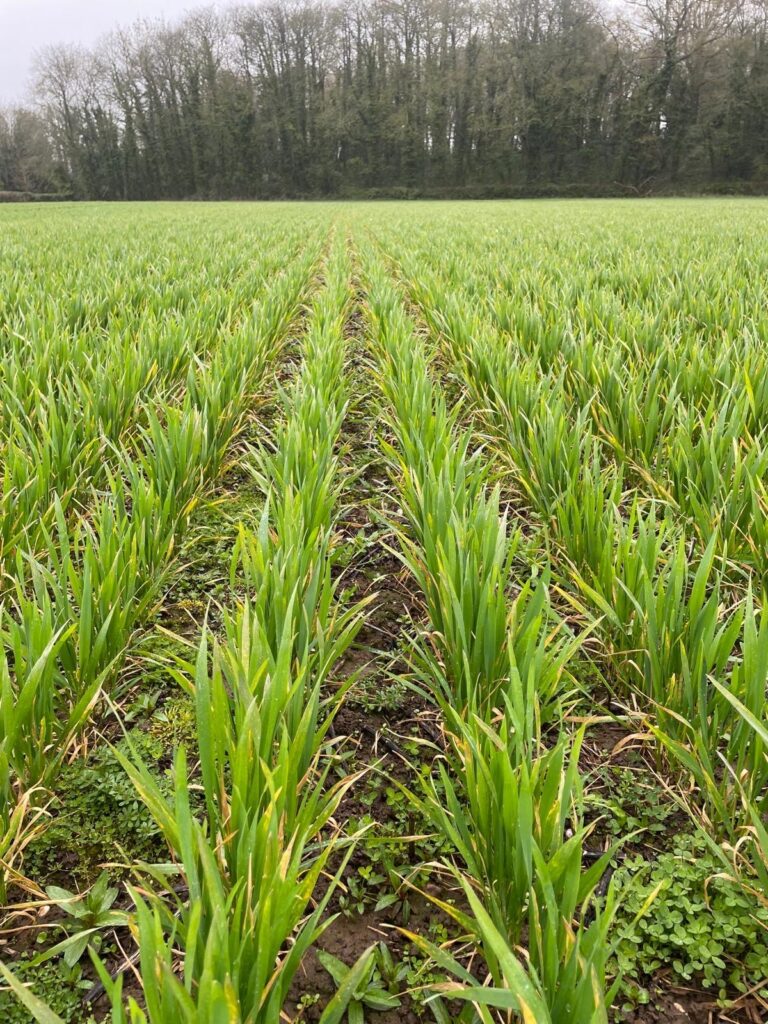
Winter crops have received their first nitrogen, which was also balanced out with a foliar feed in order to keep crops stable and strong to avoid using fungicides etc, which I have not used now for many years. Once the nutrition is right for the crop and it’s growing well, why would you even think of using a fungicide? One of the biggest jumps in soil health here was when I stopped using fungicides. The difference in how quickly residue was mineralised was incredible. I go on many farms where I see residue that has been lying around for months, or even years, just rotting on top of the soil, which is a sure sign that you haven’t got a working community within your soil. It’s about keeping the plant balanced and photosynthesising to change that nitrate into amino acids and subsequently into proteins, which are the building blocks of life. Additionally, feeding microbes below ground with the rhizophagy cycle allows the plant to put out proteins, carbohydrates, amino acids, hormones, signalling chemicals and organic acids. The plant uses these elements to shift pH within the vicinity of its roots, by as much as two points, to mobilise the minerals that it requires. Then you also get mucilage, a sticky gel secreted by the root tips, which binds soil particles and microbes together. It also increases the water-holding capacity, which is very important in these dry years that we seem to be experiencing. Additionally, you have phytosiderophores, that mobilise iron, zinc, copper and manganese. With the help of biology, the plant has the capacity to reach out and take what it needs from the soil, which it has been doing for millions of years. This system works so well if the plant has the right nutrition and is not overloaded with nitrate, fuelling low Brix readings. (Brix readings measure the sugars within the plant.)
In a healthy plant that is working well, 70 per cent of its photosynthesised carbon can be put down as root exudates! This is where a healthy plant has the energy to look after itself and keep pathogens at bay. However, an unhealthy plant is the opposite and is going to require a lot of expensive synthetic inputs in order to keep it healthy. That is a lot of energy being traded for nutrition, I know, but it is the exchange required in some cases for the plant to obtain the nutrition it requires to meet the demands of the growing season. This is a trade-off that has worked for millions of years until human beings thought they knew better! This system is monitored through sap testing to see if there are any deficiencies due to environmental or weather pressures (with our maritime climate, we never know what we are going to get), but it is where foliar applications come into their own for me to keep that plant at top performance. With the cost of fertiliser rising so sharply, I see foliar applications becoming far more cost-effective, where they can be 3-4 times more effective than soil-applied nitrogen, plus I can keep the plant perfectly balanced with other nutrients as required. My favourite way to feed the plant is with amino acids. The main reason for this is that the plant doesn’t require anywhere near as much energy to convert into proteins, and obviously, I don’t have to worry about nitrate build-up within the plant, creating problems.
This year, the Green Farm Collective’s annual conference is at the Great Yorkshire Showground. We are calling it Soil to Slice, as we are focusing on how to grow nutrient-rich food and follow that journey on to the baker and finally the consumer. Speakers include:
- Dan Kitteridge, from America, talking about a working soil and the food it produces.
- Dr Hannah Fraser, who has come from the medical industry and fully understands the importance of food. She has recently finished her Nuffield Farming Scholarship on nutrient-dense food.
- Lucy Williamson, a vet who has turned her attention to human health and the importance of eating nutrient-rich food.
- Ali Morpeth, speaking on food nutrition security and the whole landscape combined.
- Angus Gowthorpe, talking about his herbal leys for his cattle, along with his whole journey into regen ag.
- Verity Megginson, a new convert, sharing some of her trials and tribulations of starting out on the journey.
- Chefs talking about how good Rise flour (GFC members’ wheat) is to work with. Of course, we will be eating food made from Rise flour on the day, along with a pizza chef again showing how good Rise is to work with, but more importantly, the taste of the finished pizza!
- Anna Woodley from Trinity AgTech, talking about how Sandy, the platform for measuring carbon and biodiversity can give the manufacturers security that our products can be carbon neutral and help with their Scope 3 emissions… what a day!
- Hobbs House Bakery, a recent convert to Rise flour, and Collectiv Food, who are a London distributor of Rise. I look forward to meeting as many of you as possible on the day, as it should be a good learning experience along with a very enjoyable day of networking.
Going into spring, I had a busy few months of talking around the country, meeting lots of new people just starting on the journey of regenerating their soil. I am always happy to lend a hand on that journey, from on-farm consulting or through my website Timpartonfarming.com. I help farmers around the world, as we all face the same challenges and problems, from high-salt fertiliser use along with high tillage. In my opinion, everybody has got to change their farming methods if we want an industry and planet for generations to come. One positive from fertiliser prices going up is that it makes growers far more aware of how much N they are using and how to get maximum return on their investment, and there are many ways in which we can achieve that, as I have proved over the years. There are plenty of ways to achieve yield and profitability if you are prepared to put the work in. Like most things in life, the more you put in, the more you get out.