Stuart Johnson was one of the first farmers to join Regenerate Outcomes. The programme provides expert mentoring in soil health and baselines and measures soil carbon at no upfront cost to generate verified soil carbon credits members can sell for additional income.
Stuart is now a mentor for the programme, working with farmers across the UK to grow profits, cut input costs and build resilient businesses.
For Stuart and his family, the path to focusing on soil as the primary resource on their farm in Northumberland began with a drive to save money.
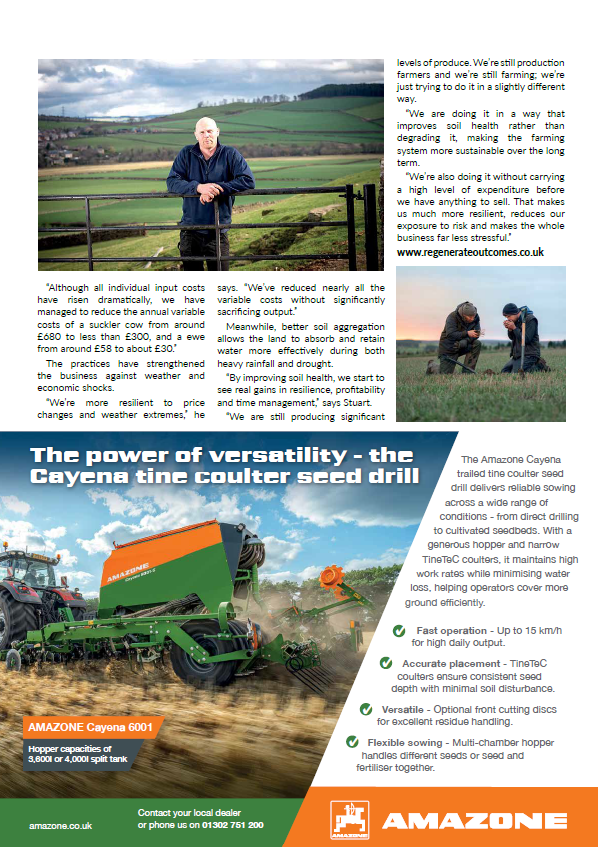
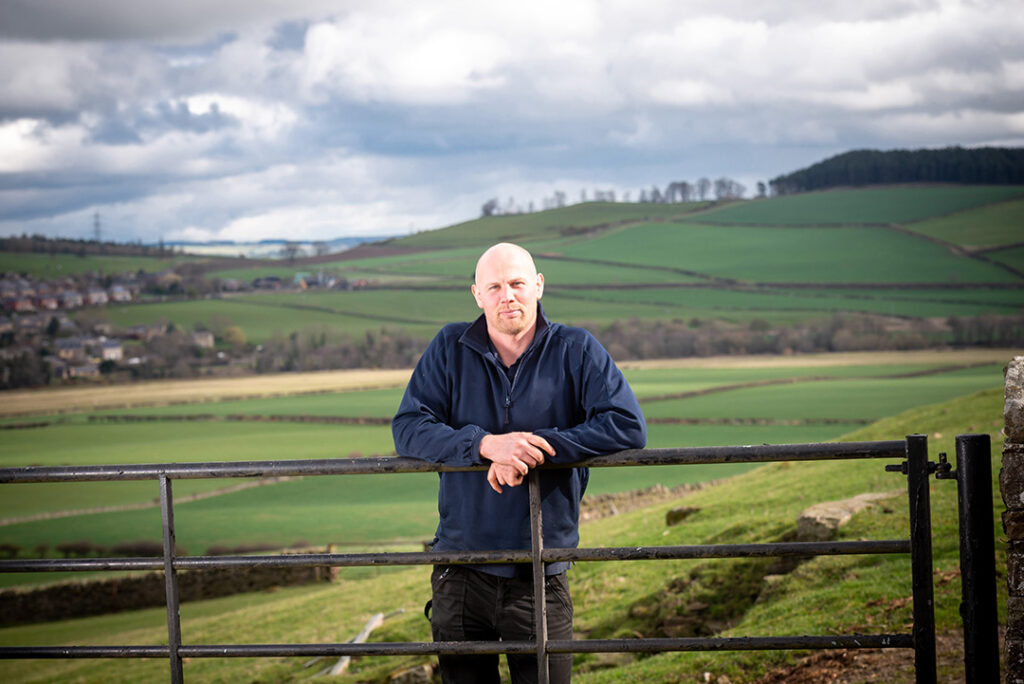
“As fifth-generation tenant farmers, we have to pay the bills and still always have rent to pay, so this drives us to keep looking at how we can save money while increasing profit margins,” says Stuart, who farms beef, sheep and arable at West Wharmley Farm, near Hexham.
“Back in 2011 we were a 540-acre, relatively high input mixed farm with maybe 150 to 200 acres of arable.
“We used the usual fertiliser. We used the usual chemicals. We used large amounts of grain as feed. We used all the inputs we thought could help improve production.”
The first significant change came in 2012 with the decision to stop ploughing and move towards strip tillage.
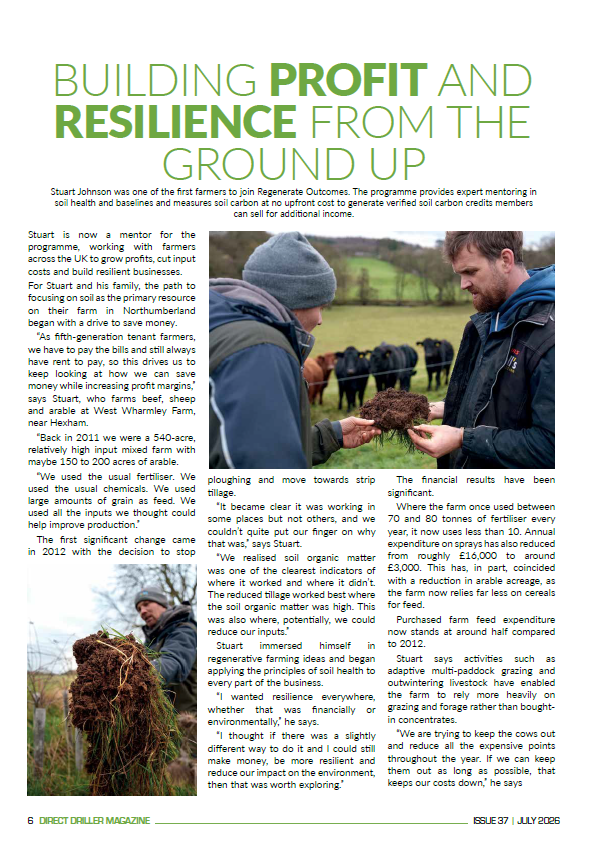
“It became clear it was working in some places but not others, and we couldn’t quite put our finger on why that was,” says Stuart.
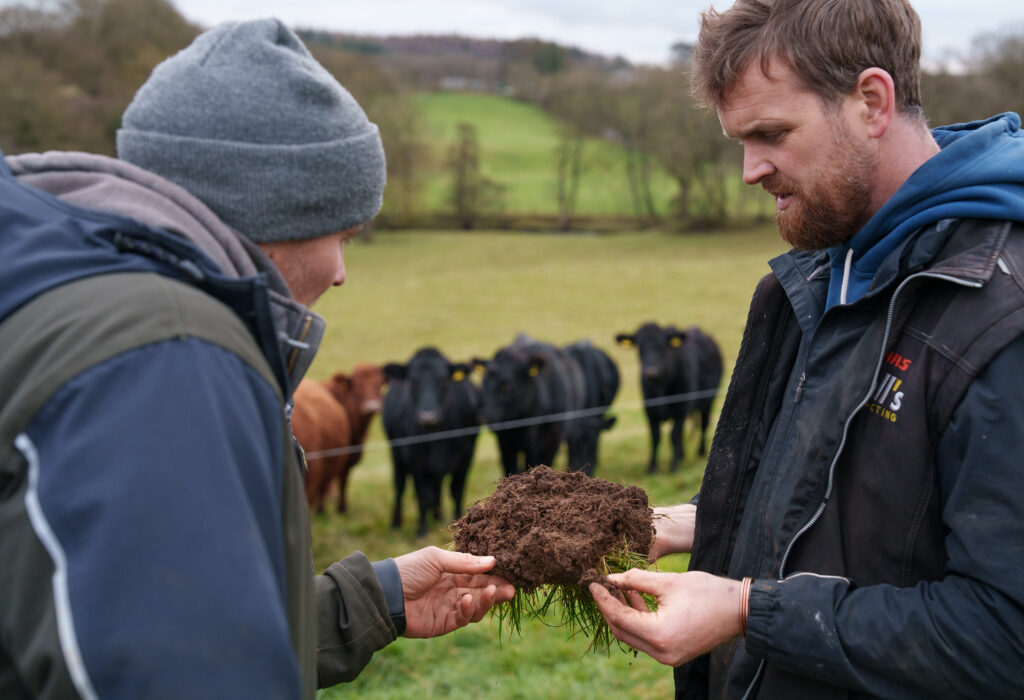
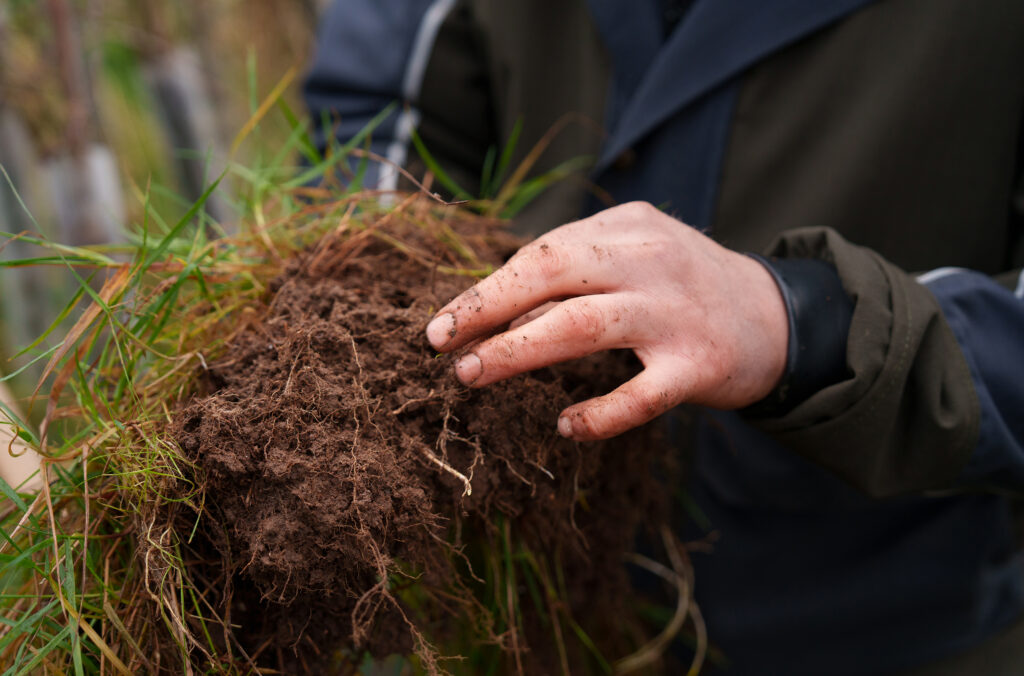
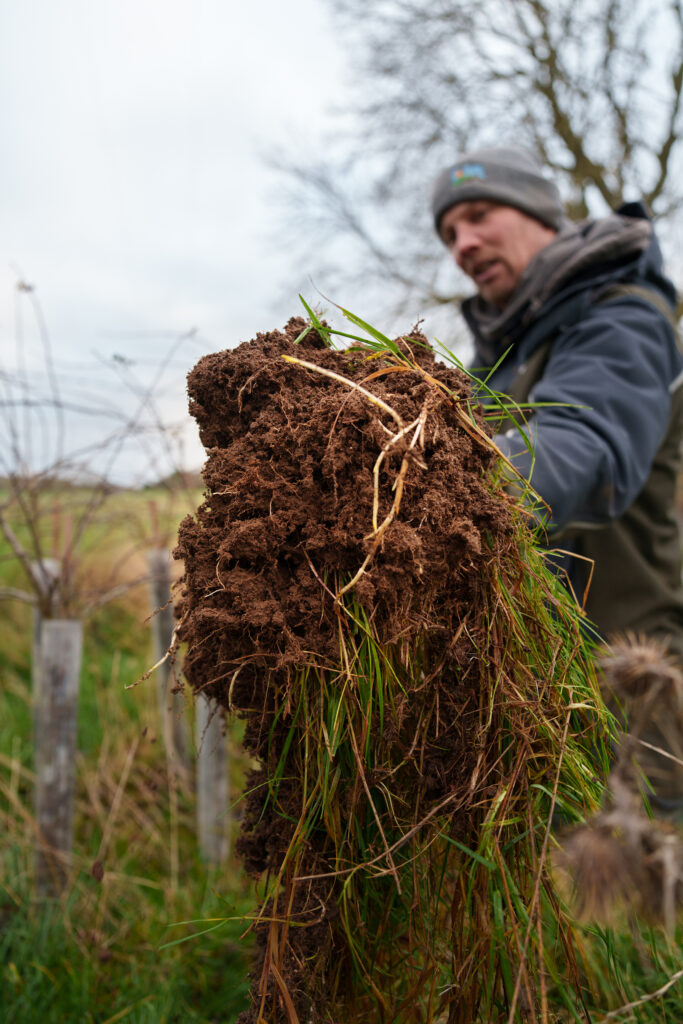
“We realised soil organic matter was one of the clearest indicators of where it worked and where it didn’t. The reduced tillage worked best where the soil organic matter was high. This was also where, potentially, we could reduce our inputs.”
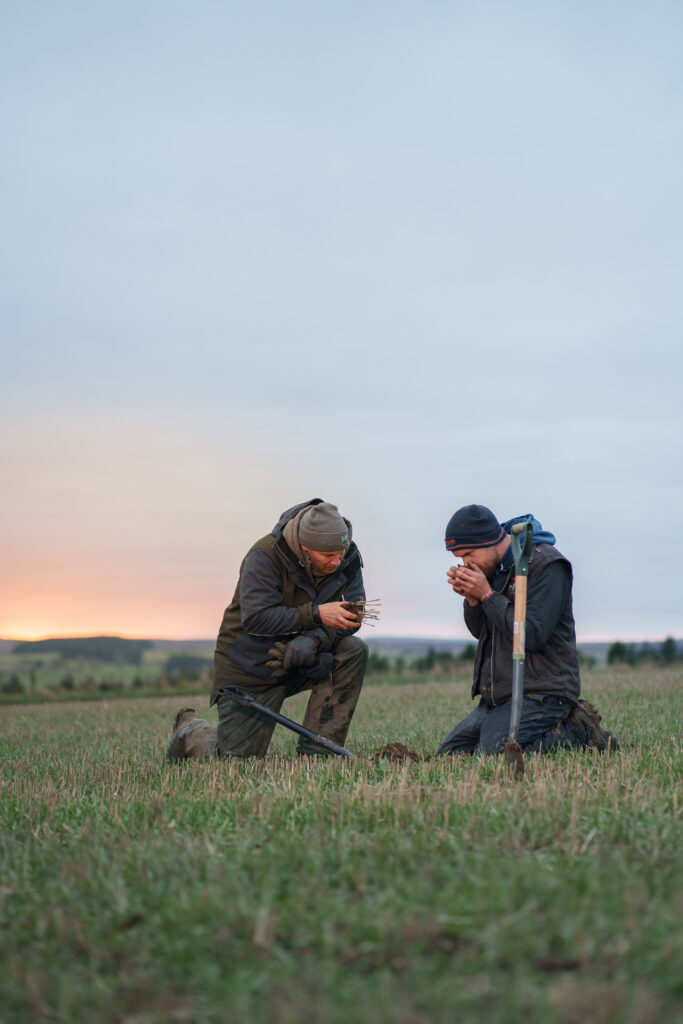
Stuart immersed himself in regenerative farming ideas and began applying the principles of soil health to every part of the business.
“I wanted resilience everywhere, whether that was financially or environmentally,” he says.
“I thought if there was a slightly different way to do it and I could still make money, be more resilient and reduce our impact on the environment, then that was worth exploring.”
The financial results have been significant.
Where the farm once used between 70 and 80 tonnes of fertiliser every year, it now uses less than 10. Annual expenditure on sprays has also reduced from roughly £16,000 to around £3,000. This has, in part, coincided with a reduction in arable acreage, as the farm now relies far less on cereals for feed.
Purchased farm feed expenditure now stands at around half compared to 2012.
Stuart says activities such as adaptive multi-paddock grazing and outwintering livestock have enabled the farm to rely more heavily on grazing and forage rather than bought-in concentrates.
“We are trying to keep the cows out and reduce all the expensive points throughout the year. If we can keep them out as long as possible, that keeps our costs down,” he says.
“Although all individual input costs have risen dramatically, we have managed to reduce the annual variable costs of a suckler cow from around £680 to less than £300, and a ewe from around £58 to about £30.”
The practices have strengthened the business against weather and economic shocks.
“We’re more resilient to price changes and weather extremes,” he says. “We’ve reduced nearly all the variable costs without significantly sacrificing output.”
Meanwhile, better soil aggregation allows the land to absorb and retain water more effectively during both heavy rainfall and drought.
“By improving soil health, we start to see real gains in resilience, profitability and time management,” says Stuart.
“We are still producing significant levels of produce. We’re still production farmers and we’re still farming; we’re just trying to do it in a slightly different way.
“We are doing it in a way that improves soil health rather than degrading it, making the farming system more sustainable over the long term.
“We’re also doing it without carrying a high level of expenditure before we have anything to sell. That makes us much more resilient, reduces our exposure to risk and makes the whole business far less stressful.”
www.regenerateoutcomes.co.uk