Lloyds Banking Group and Wildfarmed, the regenerative food and farming business, have partnered to pool investment to accelerate the transition to nature-positive farming and help secure the long-term future of the sector.
The ‘Food and Nature Resilience Fund’ comes at a pivotal moment for the sector as analysis by the Green Finance Institute, conducted with input from Defra and HM Treasury, estimates that ecosystem decline could amount to a 12% hit to GDP over the next decade if nature degradation is not addressed.
The ‘Food and Nature Resilience Fund’ incentivises farmers to farm with nature without taking land away from food production. This allows farmers to make positive improvements to nature recovery on their land, without compromising on economic outcomes. Unlike many existing nature finance schemes, this distinct fund supports the principle that nature recovery and food production are not competing priorities. A core ethos of the partnership is that in order to build a more sustainable food system, the UK needs to advance both of these priorities at the same time.
The fund enables investment from banks, utility companies, insurers and other businesses across food and non-food value chains, bringing together organisations that share a common interest in more resilient food and farmed landscapes to help accelerate the transition of land to regenerative practices.
Water companies Severn Trent and Affinity Water, along with global commercial insurer AXA XL, are among the first organisations committed to the initiative, with further partners expected to be announced.
By pooling investment across sectors to support farmers, the fund aims to create a model that better reflects the reality of farming as central to a resilient economy.
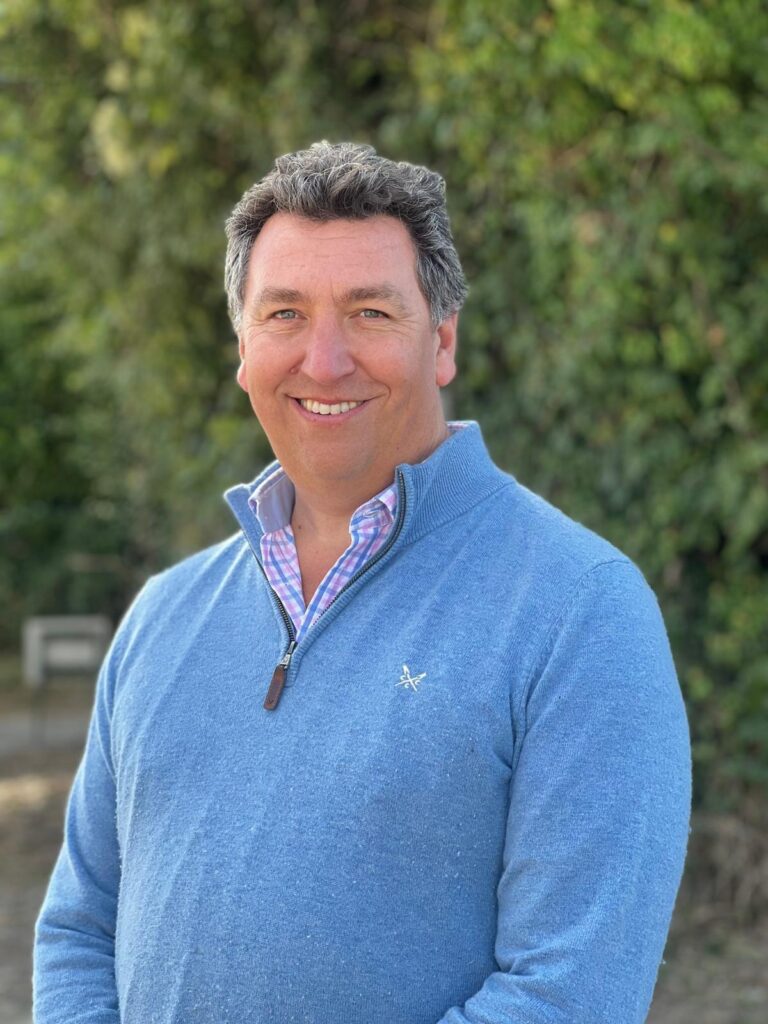
Ben Makowiecki, Agriculture Sustainability Director at Lloyds Banking Group, says: “We have a responsibility to support farmers during this transition. By bringing together businesses with a stake in resilient farming, healthy soils, clean water and thriving natural ecosystems, this fund can help set in motion the pace of change needed to scale regenerative agriculture across the UK while creating a more reliable financial model for farmers.
“This partnership builds on our broader support for farmers through our Agricultural Transition Finance proposition, which rewards the adoption of regenerative practices, as well as our established partnerships with Soil Association Exchange and the Woodland Trust. We also offer Exchange Market, which rewards farmers for reducing carbon emissions through payments from the supply chain, and Routes to Regen, a collaboration between leading food, finance and agribusiness organisations that gives farmers access to a menu of shared resources and support to help them transition to regenerative agriculture.”
Mr Makowiecki says the ‘Food & Nature Resilience Fund’ is focused on ensuring regenerative farming businesses can thrive commercially, so they are well placed to continue supplying food and protecting the environment for generations to come.
He adds: “It is all about resilience. We have 45,000 farming customers across the UK and we want them to be here in 30 years’ time. To do that they need to have resilient, profitable businesses.
“They need to have resilient soils and they need to be able to cope with a changing climate, such as we have witnessed in recent years with the extremes of drought in the summer and wetter winters.
“Therefore, everything we are doing in this space is about making them more profitable, more resilient, and we believe that regenerative farming is one of the key ways to do that. Reducing input costs, having businesses and farms that can cope with heat, flooding, droughts, and so forth.”
The fund also shows the important role private finance can play alongside public grant support, says Mr Makowiecki: “Public funding is important, but to deliver the transition at the pace and scale needed, we also need to bring more private-sector investment into agriculture. That was one of the key outputs from the Farming Roadmap, and it is where products, propositions and initiatives from private companies can play an important role alongside government schemes.
“The key thing is that, as well as developing these types of private finance offerings, we need to talk about them and help farmers understand the opportunities that are out there, helping them plan, finance and evidence change in a way that works for their business. The collaboration between Lloyds and Wildfarmed is a good example of that: scaling an existing model that already works for growers by broadening the investment behind it.”
A fundamental principle of the fund is that the shift to regenerative practices must be commercially viable for the farmers undertaking it.
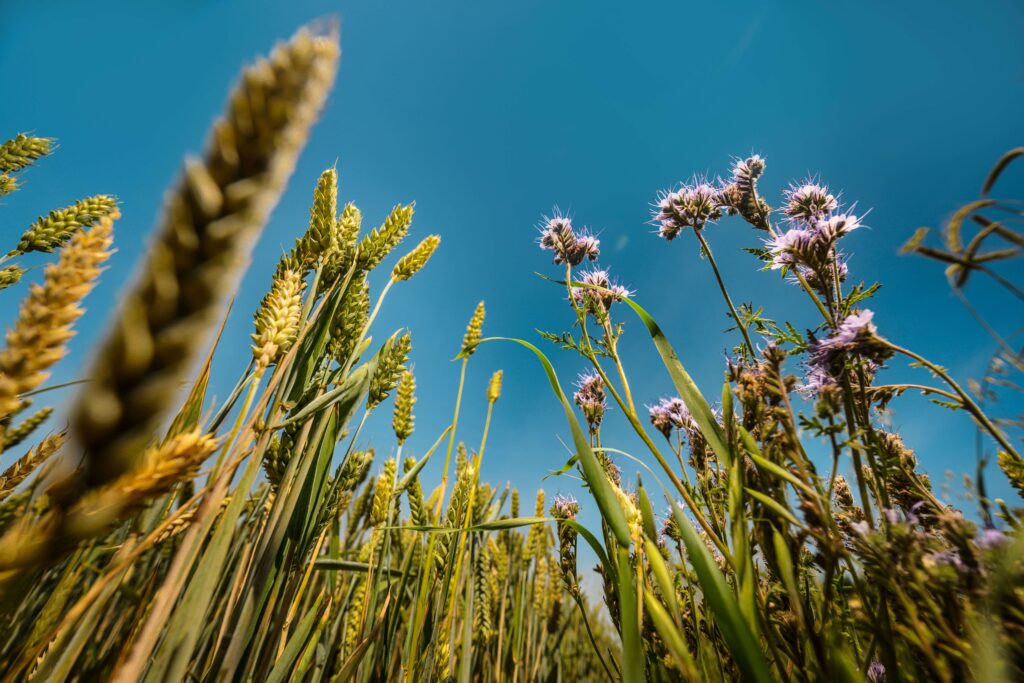
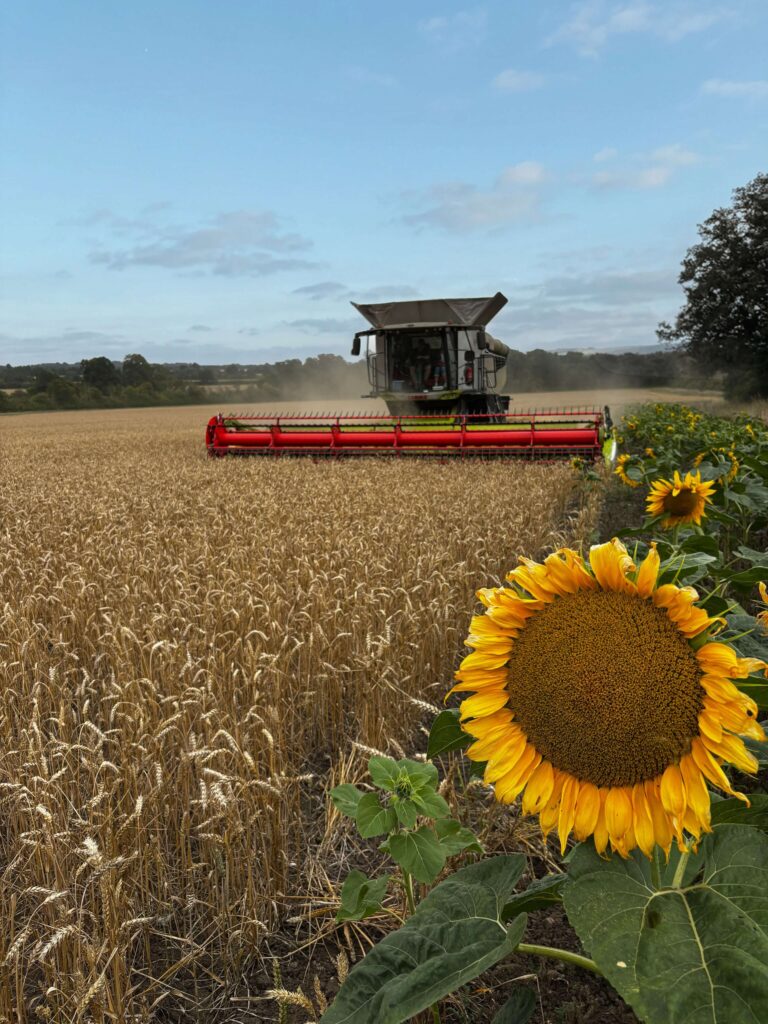
Wildfarmed works with a wide range of world-class research partners to analyse and report on in-field data to demonstrate how its farming practices are making meaningful contributions to improve soil health, increase biodiversity, minimise water pollution and reduce carbon.
The University of Bristol recorded a 79% increase in insect biomass compared to conventionally farmed land (2024). Research organisation NIAB (2025) also found 15 Red List bird species – some of the UK’s most endangered – recorded within Wildfarmed fields.
That wildlife is returning to actively farmed, food-producing land demonstrates that nature recovery and agricultural productivity are not mutually exclusive, and that with the right farming practices and financial support, both can be achieved at scale.
The case for change is also a human one. In a recent survey, 91% of Wildfarmed growers reported a positive impact on their wellbeing and job satisfaction, a finding that reflects the broader ambition of the fund: to build a farming system that is better for nature, better for soils, and better for British farmers.
For Andy Cato, co-founder at Wildfarmed, that support for farming and nature is key.
He says: “Historically, our food system has priced nature at zero. The consequences of this are everywhere, from food price inflation to the fragility of the ecosystems on which we all depend.”
“Nature and food production are too often seen in opposition, with payment schemes forcing farmers to choose one or the other. Yet a resilient, abundant future depends on nature-rich food-producing land. For many years, it has been an ambition for farmers to be rewarded for delivering nature and resilience whilst growing food, not instead of it. This partnership is a big step forward in making this a reality at scale.”