Written by Lewis Johnson
Being based on the same farm as Direct Driller magazine has allowed us to build some fantastic relationships within the farming and agricultural community. Farmers have become a big part of our business, particularly those looking to diversify or improve their campsites with high-quality, bespoke facilities. We have a huge appreciation for the work farmers do and are proud to support them with practical, cost-effective buildings that help their businesses grow.
If you’re considering a project, we’d love to welcome you to our workshop. Come and see our buildings being manufactured, chat through your ideas with the team, and see what’s possible. We can build just about anything, so if you have an idea, we’d love to hear it. While you’re here, you can also take the opportunity to visit the farm and meet the Direct Driller team.
Across the UK, farm diversification has become an increasingly important part of running a successful rural business. Whether driven by rising costs, changing markets or the desire to create a more resilient income stream, many farmers are looking beyond traditional agriculture and exploring opportunities such as campsites, glamping sites, holiday accommodation, farm shops and visitor attractions.
The good news is that demand for rural tourism remains strong. More people are looking to spend time in the countryside, and farms are perfectly placed to offer unique experiences that simply can’t be replicated elsewhere. However, turning an idea into a successful business often comes down to having the right infrastructure in place.
One of the first challenges many farmers face is facilities. Visitors may love the location, but they still expect clean toilets, quality showers and a professional welcome when they arrive. In today’s world of online reviews and repeat bookings, those facilities can have a significant impact on the success of a site.
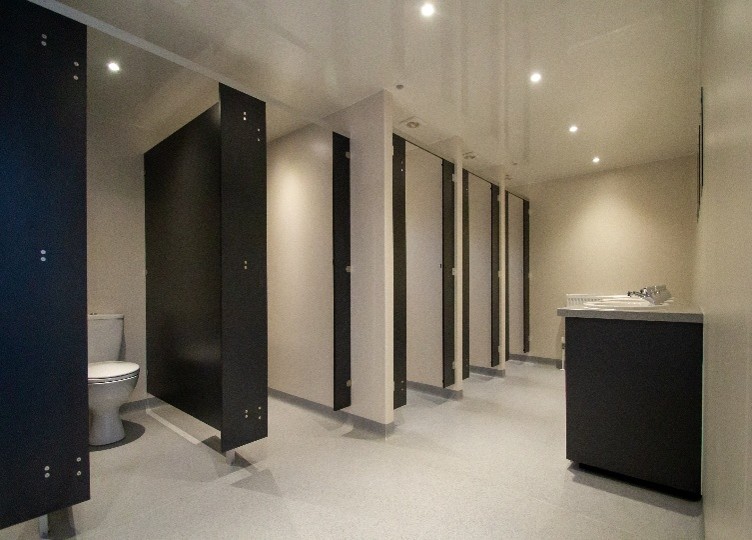
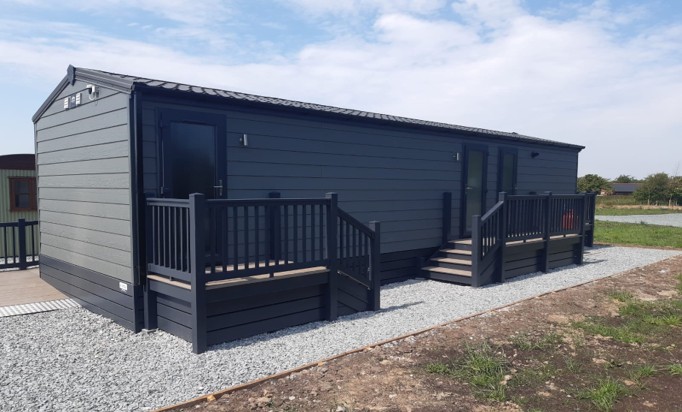
At Arkem Leisure, we’ve worked with countless farmers over the years, helping them develop and improve their tourism businesses through bespoke modular buildings. From toilet and shower blocks to site reception units, accessible facilities and welfare buildings, we’ve seen first-hand how the right infrastructure can help a diversification project grow from a small idea into a thriving business.
Unlike traditional construction, our buildings are manufactured off-site and delivered ready for installation. For busy farming businesses, this can be a major advantage, reducing disruption and allowing projects to move forward without months of contractors on-site.
We’ve worked with campsite operators at all stages of their journey. Some start with a handful of pitches and a simple toilet block before expanding as demand increases. Others are investing in larger developments, including luxury lodges and dedicated reception buildings to create a premium visitor experience.
For many farmers, the question is no longer whether diversification is worth considering, but how best to deliver it. Having the right facilities in place from the outset can make all the difference, helping to create a positive visitor experience, encouraging repeat business and providing a strong foundation for future growth.
In England, you can run a pop-up campsite on your farmland for up to 60 days in any calendar year without needing full planning permission, under Schedule 2, Part 4, Class BC of the Town and Country Planning (General Permitted Development) Order.
- Maximum of 50 pitches at any one time (tents, campervans and motorhomes — not static caravans).
- You must provide on-site toilet and waste disposal facilities.
- Notify your Local Planning Authority in writing before opening each calendar year, including details of facilities and operational dates.
- Restrictions: Does not apply near Scheduled Monuments, listed buildings, SSSIs or in certain flood zones.
Always check with your local planning authority first, as individual sites and local interpretations can vary.
In many cases, the ability to add facilities in phases, starting with essential modular toilet and shower blocks, gives farmers the flexibility to test the market and grow at a pace that suits both their business and their budget.
Cost is another important factor. Traditional construction projects can quickly become expensive and time-consuming, particularly in rural locations. Modular buildings offer a practical alternative, typically costing around half the price of a conventional build while still providing a durable, long-term solution.
Every diversification project is different. Some farmers are creating family-friendly campsites, others are developing glamping sites, educational facilities or farm-based visitor attractions. Whatever the project, the common theme is the need for practical, reliable buildings that can be installed quickly and adapted as the business evolves.
As diversification continues to play an increasingly important role in British farming, the demand for flexible infrastructure is only likely to grow.